What Is Residential Treatment?
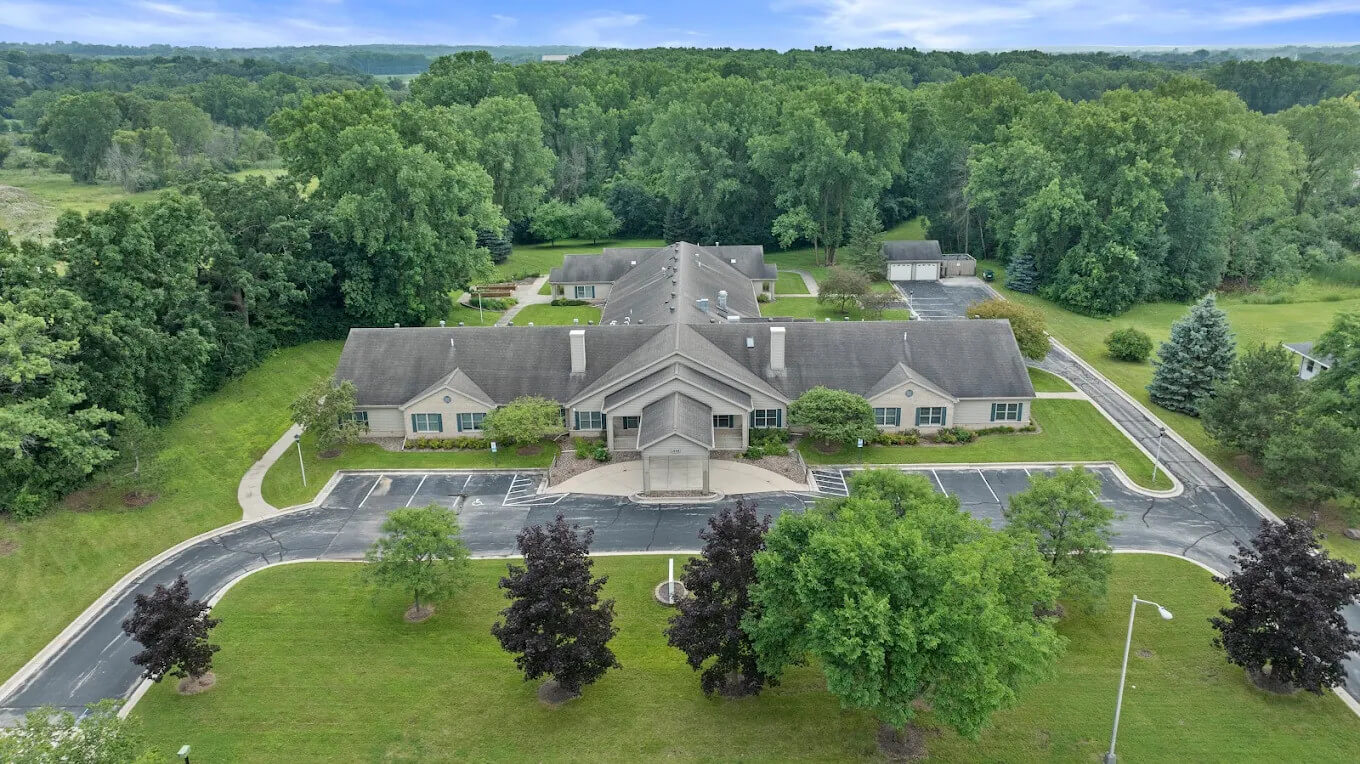
Residential treatment is a live-in program where individuals receive round-the-clock care in a structured setting. Unlike outpatient programs, residential care removes individuals from daily stressors and environments that may contribute to substance use or mental health challenges.
This immersive approach allows individuals to focus entirely on recovery while receiving consistent support and supervision.
How Residential Rehab Works
Residents stay at the facility for a set period, typically ranging from 30 to 90 days or longer depending on individual needs. Each day follows a structured schedule that includes therapy sessions, group counseling, educational workshops, and wellness activities.
Programs are designed to build coping skills, address underlying issues, and create a strong foundation for long-term recovery.
Who Should Consider Residential Treatment?
- Individuals with moderate to severe addiction
- People with co-occurring mental health disorders
- Those who have relapsed after outpatient treatment
- Individuals needing a safe, structured environment
- People requiring 24/7 supervision and support
Conditions Treated in Residential Programs
Daily Life in Residential Treatment
A typical day in residential rehab includes structured therapy sessions, group discussions, and personal development activities. Residents also participate in wellness practices such as exercise, mindfulness, and life skills training.
This structured routine helps individuals develop healthy habits and build consistency in recovery.
Benefits of Residential Treatment
- 24/7 clinical supervision and support
- Structured and distraction-free environment
- Comprehensive, integrated treatment plans
- Access to licensed professionals
- Strong focus on long-term recovery
Private & High-Comfort Residential Treatment Options
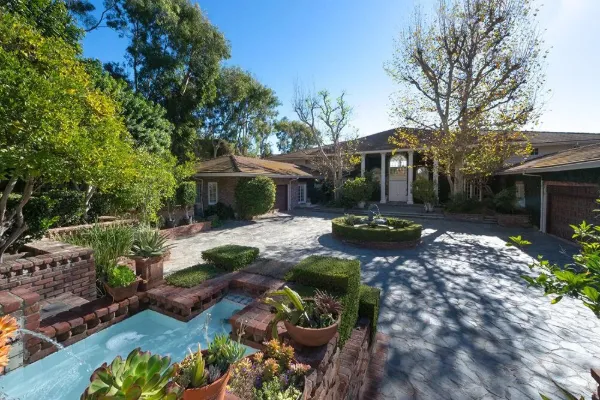
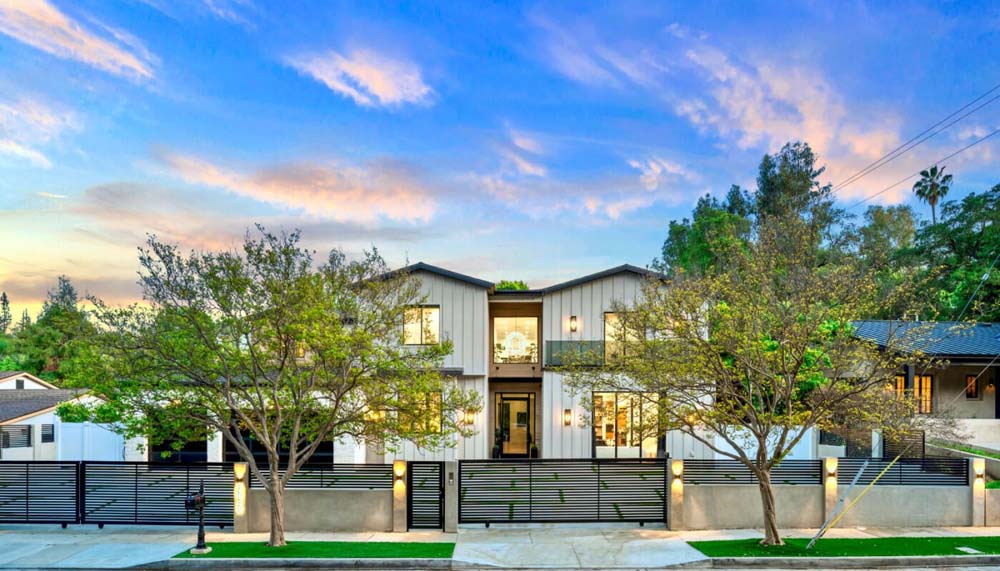
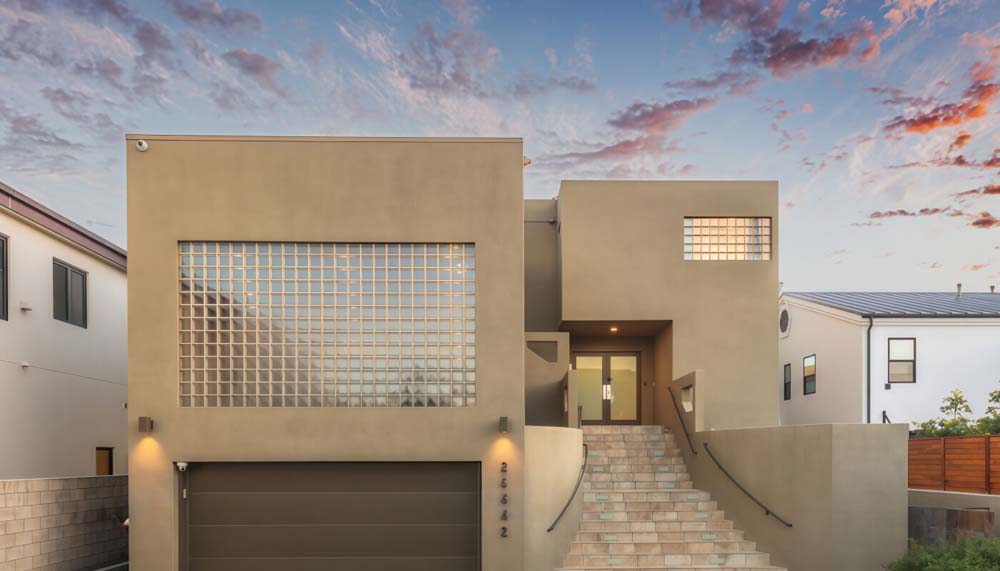
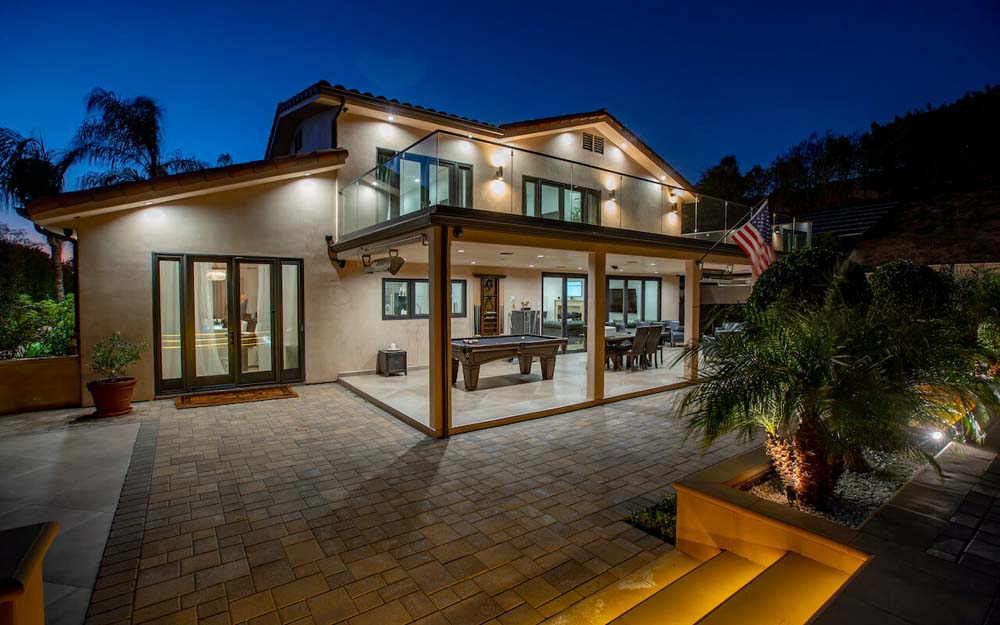
Some residential treatment centers offer a more private and elevated experience, with smaller client-to-staff ratios, personalized therapy plans, and comfortable living environments. These programs may include private rooms, flexible schedules, and additional wellness services.
This type of setting is ideal for individuals seeking focused, individualized care while maintaining comfort and privacy during treatment.
Residential Treatment vs Outpatient Care
| Feature |
Residential Treatment |
Outpatient Care |
| Environment |
Live-in facility |
Home-based |
| Level of Care |
High |
Moderate |
| Structure |
Highly structured |
Flexible |
| Best For |
Severe conditions |
Mild to moderate conditions |
Cost of Residential Treatment
The cost of residential treatment varies depending on program length, level of care, and facility type. Many centers accept insurance or offer payment options to make treatment more accessible.
How to Find Residential Treatment Near You
When searching for “residential treatment centers near me” or “inpatient rehab,” it’s important to evaluate program quality, licensing, and clinical expertise. Not all facilities provide the same level of care or support.
Look for programs that offer licensed professionals, evidence-based therapies, and clear treatment plans. It’s also important to consider factors such as program duration, specialization, and aftercare support.
Choosing the right residential program can significantly impact recovery outcomes and long-term success.
Start Your Recovery in a Structured Environment
Residential treatment provides a comprehensive and immersive approach to recovery. With the right support system, individuals can stabilize, heal, and build a strong foundation for lasting change.