Loading...

Bipolar Rehab Centers

We found 76 of the leading treatment centers for bipolar disorder. These trusted and, in many cases, luxury treatment facilities provide evidence-based care tailored to individuals living with bipolar disorder, offering virtual, outpatient, and residential treatment options. Explore unbiased reviews and filter by insurance, location, levels of care, and more to connect directly with the bipolar treatment provider that best fits your needs.
Bipolar Treatment

Top Bipolar Treatment Programs

Residential
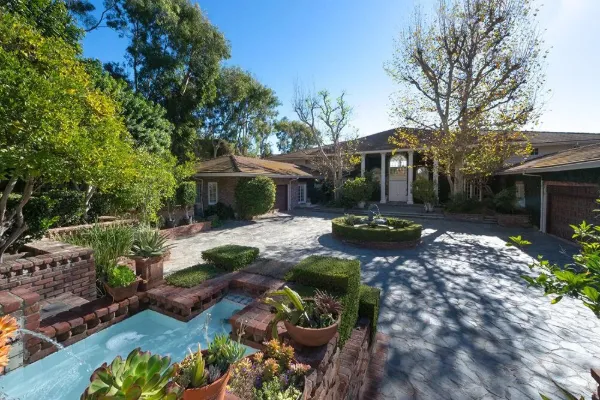
Facility image

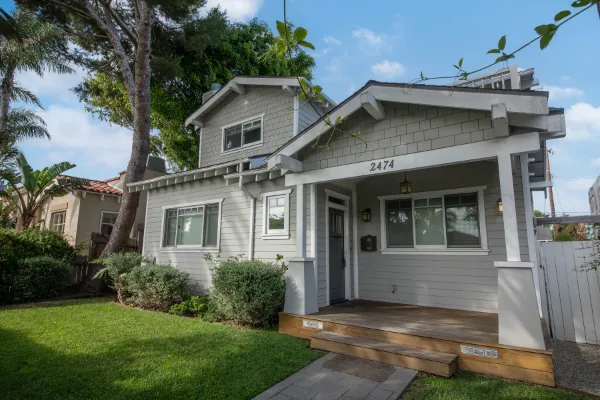
Avalon Malibu

  • 5.0 (8)
  • 32420 Pacific Coast Highway, Malibu, California, 90265
  • Insurance Accepted
Residential
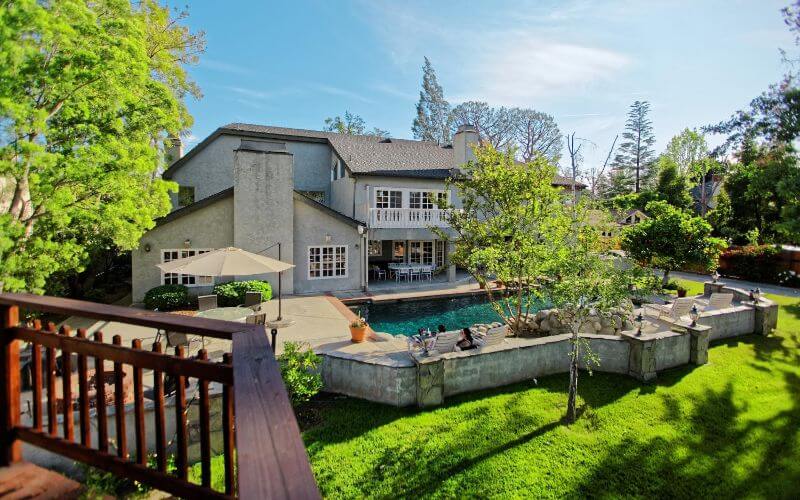
Facility image

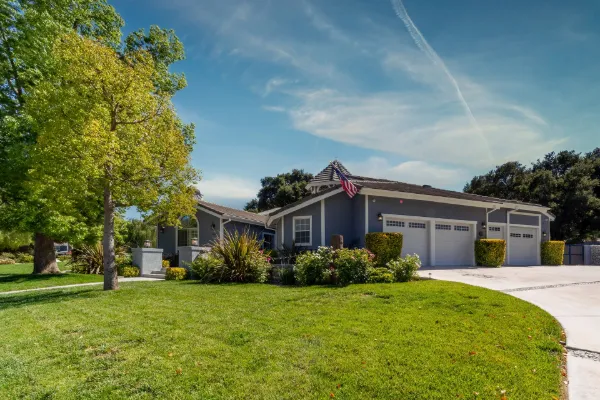
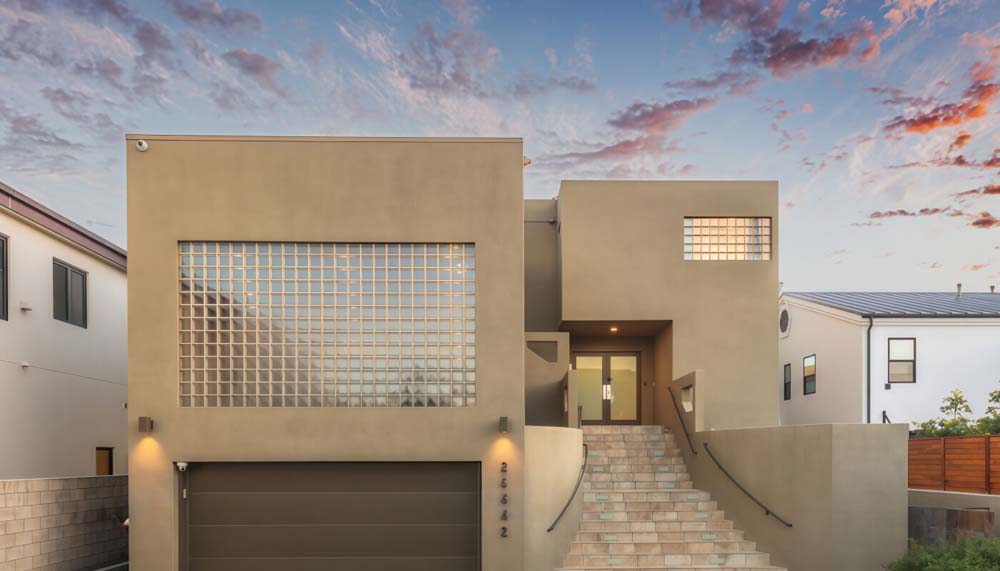
Capo By The Sea

  • 4.4 (7)
  • 26682 Avenida Las Palmas, Dana Point, California, 92624
  • Insurance Accepted
Residential
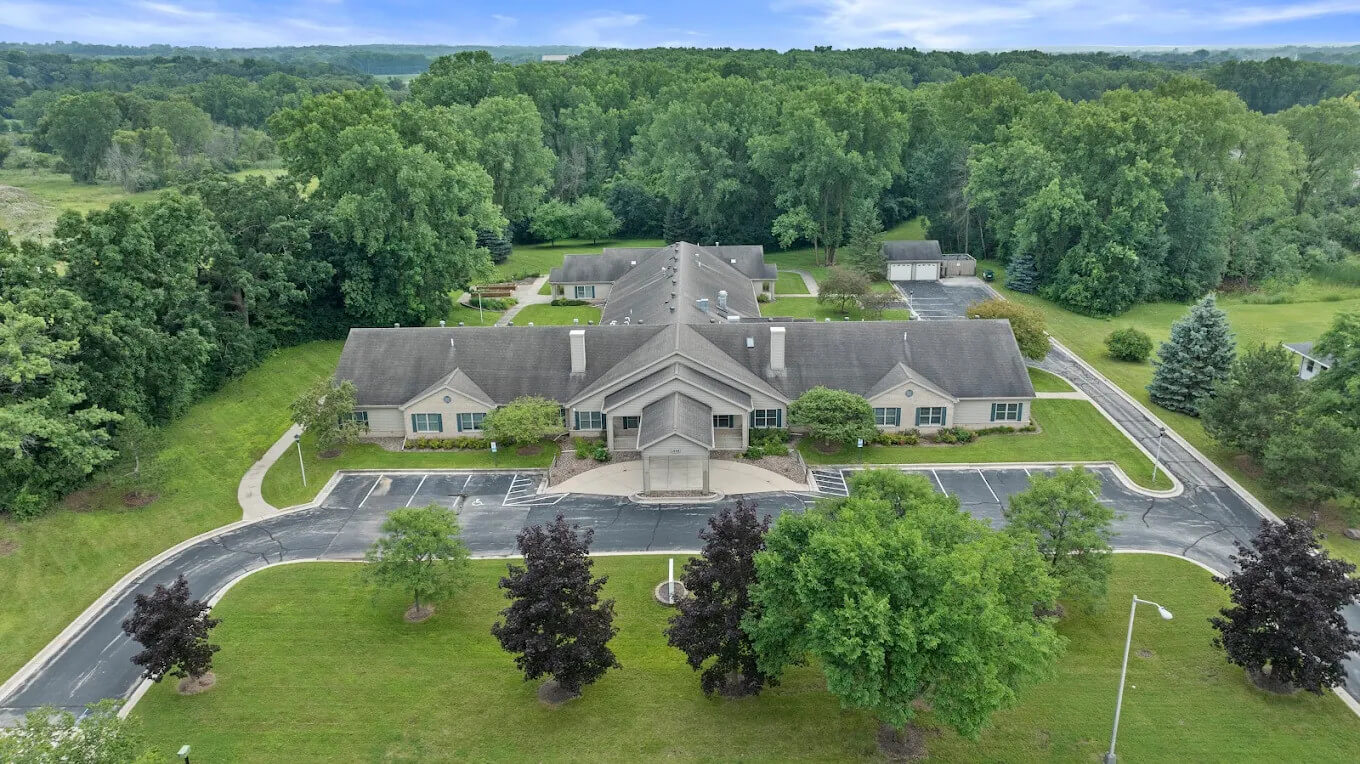
Facility image

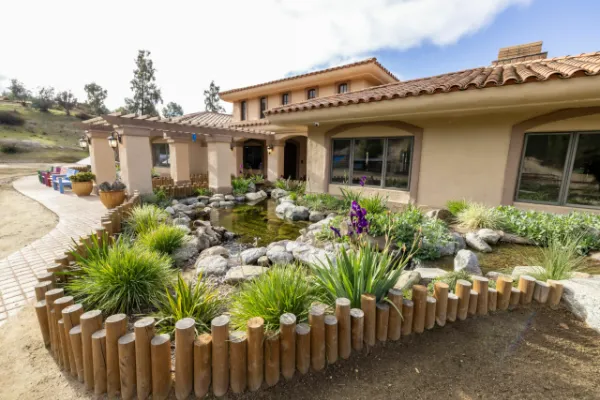
Summit Estate

  • 14455 Pike Rd, Saratoga, California, 95070
  • Insurance Accepted
Residential
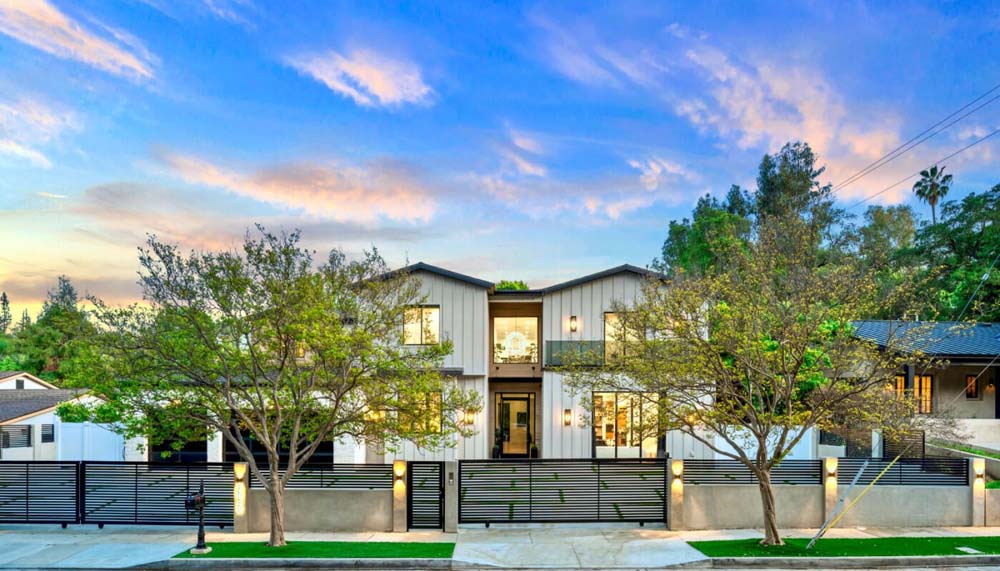
Facility image

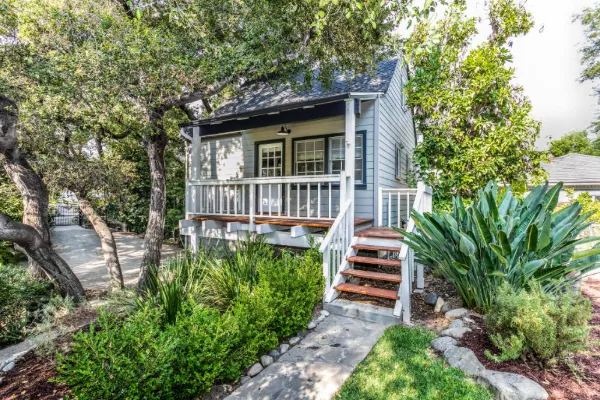
Oceanside Malibu

  • 21022 Pacific Coast Hwy, Malibu, California, 90265
  • Insurance Accepted
Residential
Facility image

Oceans Luxury Rehab

  • 5.0 (9)
  • 147 El Levante, San Clemente, California, 92629
  • Insurance Accepted
Residential
Facility image

Crosspointe Recovery

  • 5.0 (2)
  • 14888 Valley Vista Blvd., Los Angeles, California, 91403
  • Insurance Accepted
Residential
Facility image

Clear Life Recovery

  • 5.0 (7)
  • 2822 Monterey Ave, Costa Mesa, California, 92626
  • Insurance Accepted
Residential
Facility image

Peak Path Health

  • 2462 Solar Dr, Los Angeles, California, 90046
  • Insurance Accepted

More About Bipolar Treatment Centers

Bipolar Disorder Treatment at Luxury Rehab Centers

Bipolar disorder is a complex mood condition marked by intense shifts in energy, behavior, and emotional state. These cycles of depression and mania can significantly disrupt daily life, relationships, and overall well-being. The right support—especially in a luxury bipolar treatment center—can help individuals stabilize their mood, regulate symptoms, and build a fulfilling, balanced life.

Luxury rehabs offer specialized bipolar disorder treatment with world-class clinicians, personalized care plans, and a private, restorative environment ideal for emotional healing.

What Is Bipolar Disorder?

Bipolar disorder includes several forms, each requiring tailored treatment approaches:

  • Bipolar I Disorder: Manic episodes lasting at least 7 days, often requiring inpatient bipolar treatment.
  • Bipolar II Disorder: Cycles of hypomania and severe depression.
  • Cyclothymic Disorder: Chronic mood instability with less extreme symptoms.

Because each type presents differently, the most effective treatment begins with a comprehensive psychiatric assessment.

Luxury Residential Treatment for Bipolar Disorder

A residential treatment program for bipolar disorder provides the stability and structure patients often need. In a luxury setting, clients receive 24/7 support, private accommodations, chef-prepared meals, and access to holistic therapies that complement clinical care.

These programs are ideal for individuals experiencing:

  • rapid cycling
  • mixed episodes
  • medication resistance
  • co-occurring disorders
  • severe mood instability
  • challenges with daily functioning

Evidence-Based Therapies for Bipolar Disorder

Top luxury bipolar rehabs use clinically proven therapies such as:

Cognitive Behavioral Therapy (CBT)

Helps clients identify triggers, reduce negative thought patterns, and develop healthier emotional responses.

Dialectical Behavior Therapy (DBT)

Supports emotional regulation, distress tolerance, and stability during mood shifts.

Interpersonal and Social Rhythm Therapy (IPSRT)

Specifically designed for bipolar disorder, IPSRT focuses on stabilizing daily routines and reducing mood episodes.

Trauma-Informed Therapy

Because trauma can intensify symptoms, luxury centers integrate trauma work for deeper healing.

Group and Family Therapy

Strengthens communication, improves household stability, and builds long-term support systems.

Medication Management

Medication is a core component of bipolar disorder treatment, and luxury centers offer expert psychiatric support for:

  • mood stabilizers
  • antipsychotics
  • antidepressants (when appropriate)
  • sleep and anxiety medications

Top centers use genetic testing, detailed assessments, and closely monitored medication plans to create individualized treatment.

Holistic Therapies That Support Bipolar Healing

Luxury bipolar treatment centers enhance clinical care with holistic wellness programs such as:

  • yoga & meditation
  • equine therapy
  • neurofeedback
  • nutritional therapy
  • massage therapy
  • art & music therapy
  • mindfulness-based stress reduction

These therapies support emotional regulation, reduce stress, and help clients build long-lasting coping skills.

Dual Diagnosis Treatment for Bipolar Disorder

Many individuals with bipolar disorder also experience co-occurring conditions, including addiction, PTSD, anxiety, or personality disorders. Luxury rehabs offer dual diagnosis bipolar treatment to address all underlying conditions together, improving long-term outcomes.

Aftercare & Lifelong Support

Bipolar disorder is highly manageable with the right long-term care. Top centers provide customized aftercare including:

  • outpatient therapy
  • telehealth psychiatry
  • medication follow-ups
  • relapse-prevention planning
  • alumni programs
  • lifestyle coaching

Ongoing support ensures stability long after clients leave residential treatment.

Bipolar Treatment Frequently Asked Questions

The most effective treatment for bipolar disorder is a combination of mood-stabilizing medications, psychotherapy, lifestyle changes, and ongoing support from a mental health professional. Many patients benefit from long-term treatment plans tailored to their symptoms and diagnosis (Bipolar I, Bipolar II, or Cyclothymia).

Yes. Cognitive behavioral therapy (CBT), dialectical behavior therapy (DBT), interpersonal and social rhythm therapy (IPSRT), and family-focused therapy can help stabilize mood episodes and improve daily functioning.

Inpatient treatment provides 24/7 monitoring for severe depression or mania, while outpatient programs—like IOP or PHP—offer structured therapy several days per week without overnight stays. The level of care depends on symptom severity and safety concerns.

Inpatient care is recommended when someone is experiencing severe mania, suicidal thoughts, psychosis, or cannot keep themselves safe. Hospitals and residential programs provide stabilization and intensive treatment.

Treatment is long-term and ongoing. While mood episodes can be stabilized within weeks or months, managing bipolar disorder effectively requires continuous therapy, medication monitoring, and lifestyle routines.

There is no cure, but bipolar disorder is highly treatable. With proper medication, therapy, and lifestyle management, individuals can achieve mood stability and lead fulfilling, productive lives.

Consistent sleep routines, stress reduction, exercise, avoiding drugs and alcohol, and healthy nutrition all support mood stability. Tracking mood cycles and identifying triggers is also important.

Family can play a crucial role by offering emotional support, learning warning signs of mood episodes, attending therapy when appropriate, and helping create a stable home environment.

Untreated bipolar disorder can worsen over time, leading to severe mood episodes, relationship problems, job instability, financial issues, substance misuse, and increased risk of suicide.

Dual-diagnosis programs treat bipolar disorder alongside co-occurring conditions such as substance use disorders, PTSD, or anxiety disorders to ensure both conditions are addressed simultaneously.

Seek professional help if someone shows extreme mood swings, risky behavior, erratic sleep patterns, depression, rapid speech, hallucinations, or suicidal thoughts.
Top