Private Anger Management & Emotional Wellness Treatment
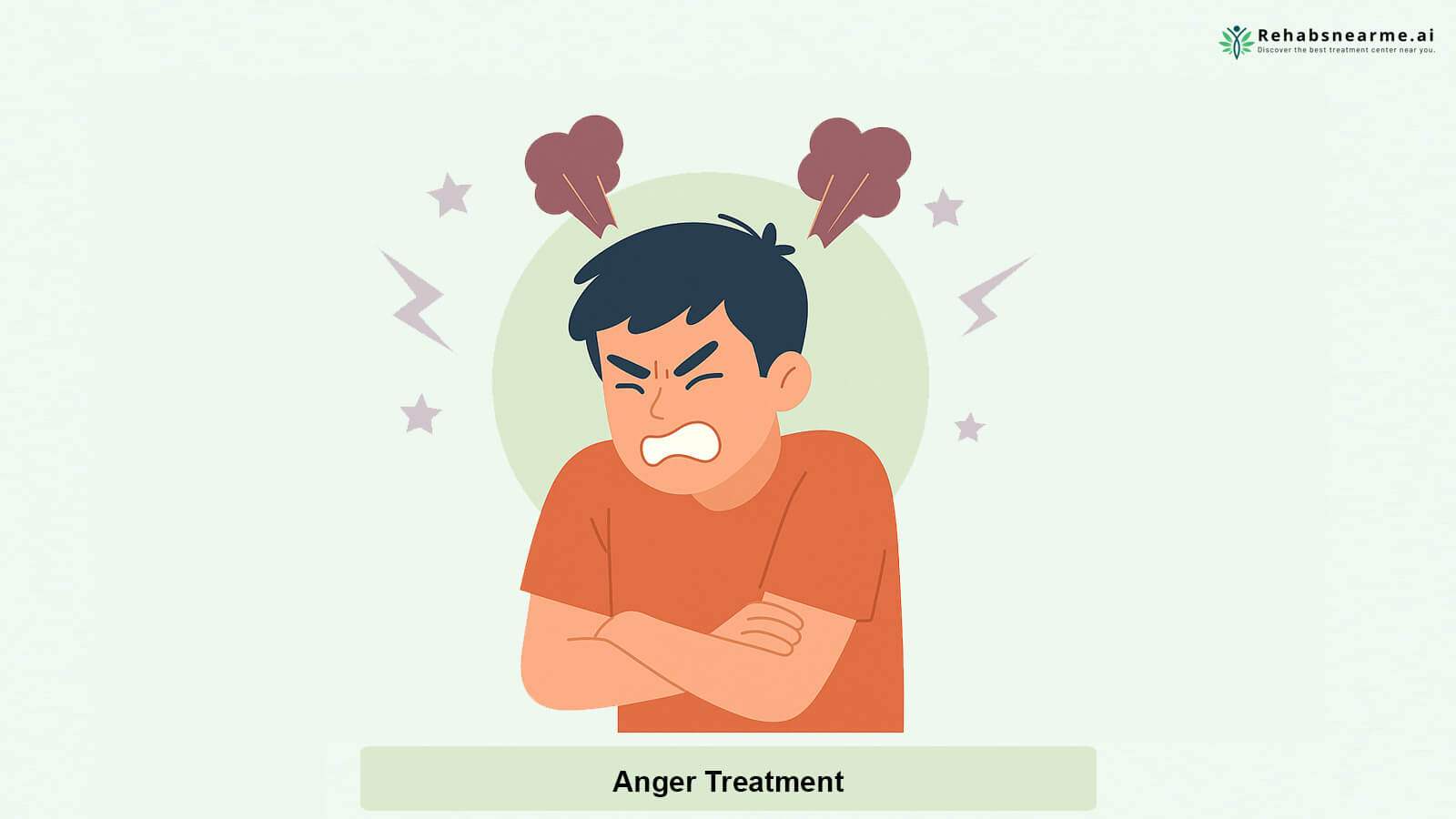
Anger is a natural human emotion — a reaction to frustration, stress, or injustice. However, when anger becomes intense or uncontrollable, it can overshadow every other emotion and harm relationships, careers, and overall well-being. Recognizing when anger has taken hold is a powerful first step toward healing. With the right professional support, it’s possible to regain balance, self-control, and peace of mind.
Signs of Anger-Management Issues
Feeling frustrated or irritated from time to time is normal. But when anger becomes excessive or misdirected, it may require professional treatment. Common signs of anger management issues include:
- Yelling, breaking objects, or becoming physically aggressive during moments of rage
- Hearing repeated concerns about your anger from loved ones or coworkers
- Dwelling on resentment or fantasizing about revenge
- Struggling to maintain healthy romantic or professional relationships
- Feeling emotionally consumed by anger or exhausted from holding it in
- Alienating family or friends because of unpredictable outbursts
- Taking frustration out on strangers or service workers
Unchecked anger can erode trust, damage relationships, and impact your physical and emotional health. The good news — it doesn’t have to stay that way.
Do Luxury Rehabs Treat Anger?
Yes. Many luxury mental health and addiction treatment centers specialize in anger management and emotional regulation. These programs are designed for individuals seeking privacy, discretion, and highly personalized care in a restorative environment. Depending on your needs, treatment may include:
- Outpatient Care: Part-time therapy sessions and group support
- Intensive Outpatient (IOP): Structured therapy several days per week
- Partial Hospitalization (PHP): Full-day treatment with flexibility to return home
- Residential Treatment: 24/7 care in a serene, luxury setting with holistic and clinical therapies
- Inpatient Treatment: Continuous medical and psychiatric monitoring for severe cases
At each level, clients receive individual therapy, group therapy, and a combination of evidence-based therapies customized to their goals and mental health needs.
Evidence-Based Therapies for Anger Management
According to the American Psychological Association, nearly 75% of individuals who complete anger management therapy experience long-term improvement. Luxury rehabs integrate a variety of therapeutic modalities, such as:
- Cognitive Behavioral Therapy (CBT) — Helps clients identify and reframe thought patterns that trigger anger.
- Interpersonal Therapy (IPT) — Focuses on repairing communication breakdowns and strengthening emotional intelligence.
- Dialectical Behavior Therapy (DBT) — Combines mindfulness and emotional regulation techniques to help manage impulsive reactions.
These therapies not only teach control — they help clients understand the roots of their anger and replace destructive responses with mindful, healthy behaviors.
Understanding Dual Diagnosis: Anger and Addiction
Anger often coexists with other mental health or substance use disorders — a condition known as dual diagnosis. For many, substances become a way to self-medicate emotional pain, leading to addiction and further instability.
More than nine million adults in the U.S. live with co-occurring disorders, underscoring the need for integrated care that treats both the emotional and behavioral roots of anger.
Luxury dual diagnosis programs combine psychotherapy, medication management, and holistic modalities to help clients process unresolved trauma, manage impulses, and build lasting emotional stability.
Medical & Medication Support for Anger
When anger stems from underlying conditions such as depression, anxiety, or PTSD, psychiatrists may prescribe targeted medications. SSRIs (Selective Serotonin Reuptake Inhibitors) are commonly used to help regulate mood and reduce irritability. Each client receives a personalized treatment plan, carefully adjusted by a physician to achieve emotional balance safely and effectively.
The Goals of Anger Management Treatment
The goal of anger treatment isn’t simply to "be less angry" — it’s to heal the root causes behind the emotion. Through therapy, clients learn to:
- Recognize emotional triggers and develop calm, healthy responses
- Process unresolved trauma and grief that may fuel anger
- Rebuild trust and communication with loved ones
- Protect their physical health by reducing stress-related issues such as hypertension
In luxury settings, treatment is restorative and empowering — helping clients regain clarity, self-awareness, and confidence in how they handle life’s challenges.
Helping a Loved One with Anger Issues
If someone close to you struggles with anger, compassion and understanding can go a long way. Avoid blame; instead, express how their behavior affects you using calm, factual statements such as, When you raise your voice, I feel anxious and distant. Encourage professional help and remind them that recovery is possible — and that you’ll support them through the process.
Everyday Strategies to Manage Anger
Outside of formal treatment, small daily practices can help reduce reactivity and promote calm:
- Mindfulness & Meditation: Ground yourself through deep breathing or guided relaxation.
- Exercise: Release built-up tension through movement and endorphin balance.
- Journaling: Identify triggers and patterns behind anger episodes.
- Relaxation Techniques: Use progressive muscle relaxation or yoga to reduce physical stress.
- Social Connection: Talk through emotions with trusted friends, mentors, or therapists.
- Healthy Distraction: Step away from triggers — listen to music, walk outside, or practice gratitude.
A Discreet and Restorative Path to Healing
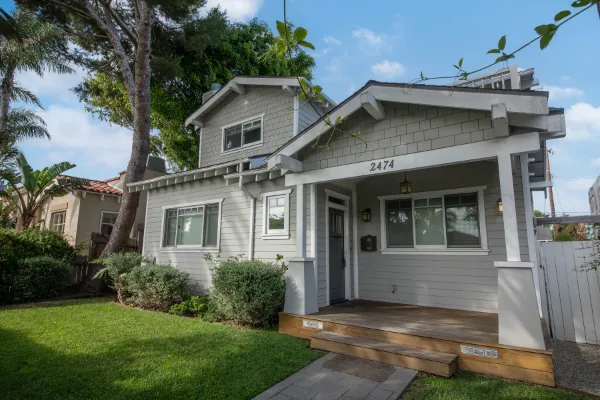
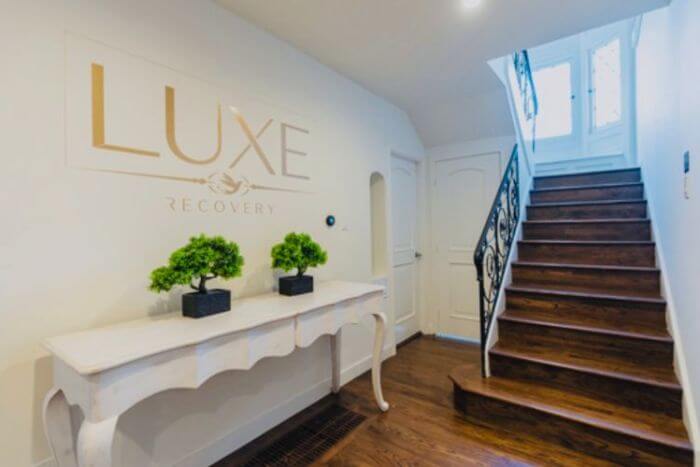
Luxury anger management treatment centers provide more than therapy — they offer a sanctuary for personal transformation. Within a serene, private setting, clients receive individualized care from world-class clinicians while enjoying spa-like amenities, holistic wellness programs, and gourmet dining. Here, emotional healing happens with dignity, privacy, and purpose — empowering clients to live with calm, confidence, and control.
How to Talk to Your Doctor About Anger Management Treatment
Taking the first step toward emotional balance often begins with a simple conversation. Schedule an appointment with your primary care physician or a trusted mental health professional and be open about how anger impacts your daily life. Explain the ways it has affected your relationships, work performance, and personal well-being. Honest communication allows your doctor to understand the full picture and connect you with the most effective treatment options.
To make the most of your appointment, consider asking questions such as:
- How would you describe the symptoms I’m experiencing?
- What treatment options do you recommend for managing excessive anger?
- What should I expect during anger management therapy?
- Are there any potential side effects of the medications you might prescribe?
- Are there lifestyle or stress-management changes that could complement treatment?
- What support groups or additional resources do you suggest?
- What type of follow-up care or ongoing therapy will I need?
- How can I recognize if my anger is worsening over time?
- What steps should I take if I don’t see improvement?
- Could my symptoms be linked to another mental health condition?
By preparing thoughtful questions and sharing your experiences honestly, you and your doctor can build a clear path toward emotional regulation and long-term well-being. If you’re seeking a higher level of privacy and care, a luxury anger management program can offer comprehensive evaluations, one-on-one therapy, and holistic treatments tailored to your individual needs.