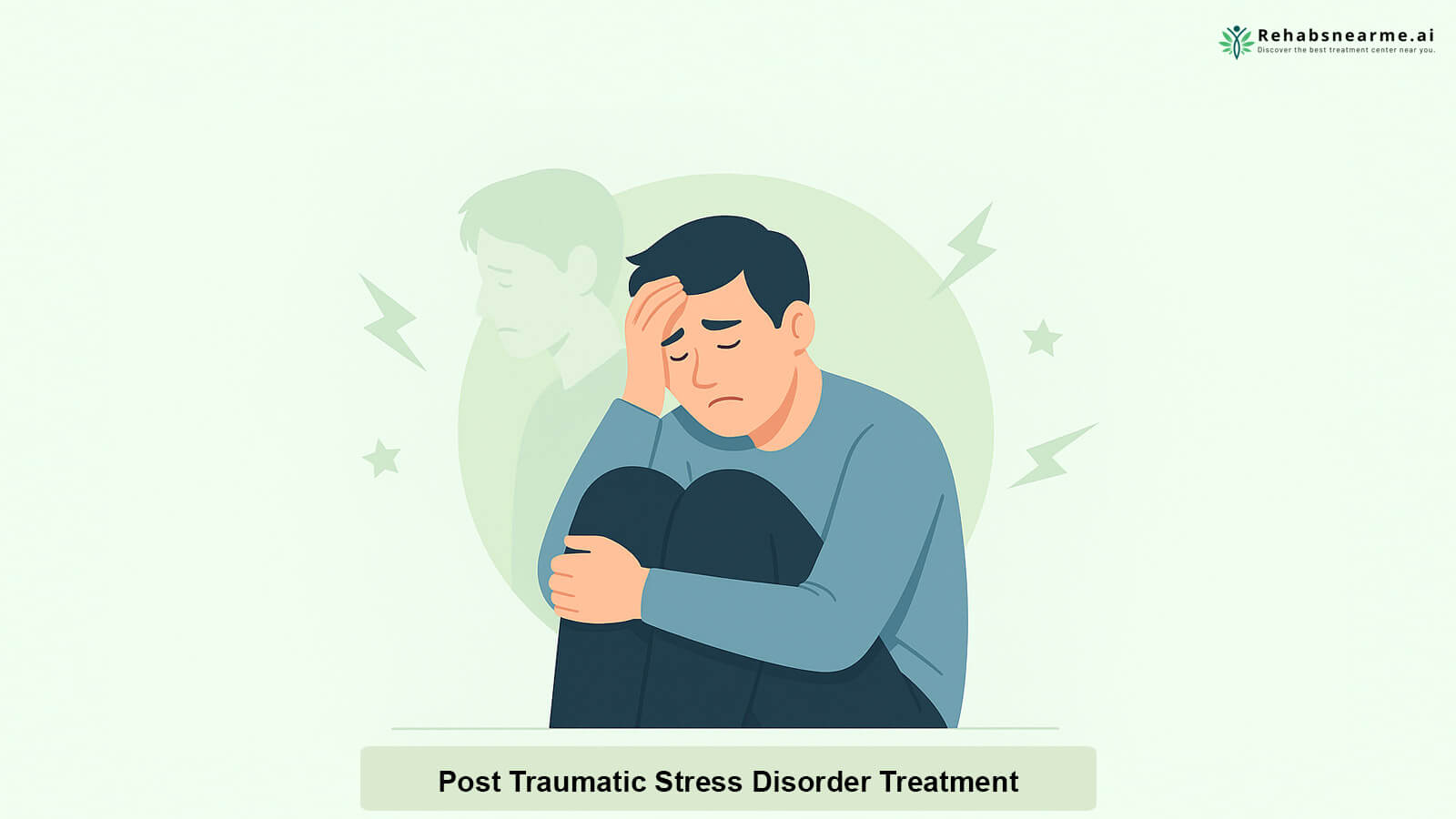
PTSD Is Common, and It's Treatable Both Matter
An estimated 6.8% of U.S. adults will experience PTSD at some point in their lives, and about 6% of the population will meet criteria in any given year roughly 9 million Americans. Among groups with repeated trauma exposure, the numbers run considerably higher: a 2025 meta-analysis found a pooled PTSD prevalence of 14.3% among first responders, more than double the general population rate, and lifetime PTSD among U.S. veterans was measured at 14.4% in the most recent 2025–2026 national survey the highest rate recorded since that study began tracking veterans over a decade ago.
The part that gets lost in prevalence numbers: PTSD responds well to treatment. Up to 40% of people recover within a year with appropriate care, and among those who complete a full course of trauma-focused CBT, roughly a third to half show a 50% or greater reduction in symptom severity. The gap isn't in whether treatment works it's in who actually gets to it. Nationally, only about two-thirds of people with PTSD ever make treatment contact at all, a slower and lower rate than for most other common mental health conditions.
How PTSD Is Actually Diagnosed
PTSD isn't self-diagnosed from a symptom checklist a licensed mental health professional (psychiatrist, psychologist, or clinical therapist) makes the diagnosis using DSM-5 criteria, which require:
- Exposure to actual or threatened death, serious injury, or sexual violence
- At least one intrusion symptom (flashbacks, nightmares, intrusive memories)
- Persistent avoidance of trauma-related reminders
- Negative changes in thoughts and mood
- Heightened arousal or reactivity
- Symptoms lasting at least one month
- Significant distress or impairment in daily functioning
- Symptoms not better explained by medication or substance use
The Four Symptom Categories, and Why the Distinction Matters
Treatment planning depends heavily on which symptom clusters are most active for a given person two people with PTSD can present almost entirely differently.
Intrusive Thoughts
- Flashbacks
- Nightmares
- Distressing, unbidden memories
- Intense emotional or physical reactions to reminders
Avoidance
- Avoiding people, places, conversations, or activities tied to the trauma
- Emotional numbing or detachment
Negative Changes in Mood and Cognition
- Persistent fear, guilt, shame, or anger
- Negative beliefs about oneself or the world
- Difficulty experiencing positive emotion
Hyperarousal and Reactivity
- Irritability or anger
- Feeling constantly on edge
- Trouble sleeping or concentrating
- Exaggerated startle response
- Panic or anxiety surges
Symptoms fluctuate in intensity over time, and a program that only screens for one or two of these clusters may miss how PTSD is actually presenting for a given client.
What Causes PTSD
PTSD can develop after any event involving real or threatened harm combat, physical or sexual assault, natural disaster, serious accidents, childhood abuse or neglect, or ongoing exposure to violence. About 70% of people will experience a potentially traumatic event in their lifetime, but only a fraction go on to develop PTSD research puts that figure around 5.6% of people who've experienced trauma specifically. Risk is significantly elevated in certain groups: roughly 45% of women who experience rape develop PTSD, and sexual violence accounts for close to half of all U.S. cases. Interpersonal violence carries the highest PTSD risk of any trauma category worldwide.
PTSD Rarely Shows Up Alone
Co-occurring conditions are the norm, not the exception. Roughly 30% to 60% of people with PTSD also have a co-occurring alcohol or drug use disorder, and lifetime substance use disorder rates run as high as 21–43% among people with PTSD, compared to under 25% in the general population. A treatment center that only addresses trauma symptoms without screening for substance use or vice versa is treating half the picture.
Treatments With Real Evidence Behind Them
- Cognitive Behavioral Therapy (CBT) identifies and restructures the thought patterns that keep trauma responses active
- Eye Movement Desensitization and Reprocessing (EMDR) uses bilateral stimulation (eye movements or tapping) to help the brain reprocess traumatic memories that haven't been fully integrated
- Prolonged Exposure Therapy (PE) gradually and safely confronts trauma reminders in a controlled setting, reducing their power over time
Medication typically SSRIs is sometimes prescribed alongside therapy to ease anxiety, depression, or sleep disruption. One notable finding: continued SSRI treatment has been associated with a 5% relapse rate, compared to 26% among patients on placebo a meaningful argument for staying the course on medication rather than stopping once symptoms improve, without a provider's guidance.
Levels of Care
- Outpatient (OP) 1–2 sessions weekly
- Intensive Outpatient (IOP) 3–5 sessions weekly
- Partial Hospitalization (PHP) full-day treatment, 5–7 days a week
- Residential live-in care for 28+ days
- Inpatient 24/7 hospital-based monitoring for severe symptoms
How to Choose a PTSD Treatment Program
A few questions worth asking before choosing among the centers listed above:
- Does the program offer trauma-specific therapies, not just general talk therapy? EMDR and prolonged exposure therapy require specific clinical training ask directly whether staff are certified in these modalities, not just broadly trauma-informed.
- Does it screen for co-occurring substance use? Given how often PTSD and substance use disorders overlap, a program that only addresses one is treating an incomplete picture.
- What's the actual therapy cadence? Use the levels-of-care breakdown above to gauge whether a facility's offering matches how severe and disruptive your symptoms currently are.
- Is medication management available on-site, or only referred out? Since medication and therapy together tend to outperform either alone, integrated care can mean less coordination burden during an already difficult time.
Questions Worth Asking Your Provider
- Which treatment approach fits my specific symptoms best?
- How will therapy actually help me process what happened?
- Are medications recommended, and what side effects should I expect?
- What should I do during a severe flare-up or crisis?
- Are there daily-life changes that could reduce symptom intensity?
- How often will my progress actually be reviewed and adjusted?
Supporting Someone With PTSD
- Listen without judgment pushing someone to talk before they're ready can backfire
- Validate their experience rather than minimizing or rationalizing it
- Encourage professional treatment without pressuring or ultimatums
- Learn about PTSD directly, rather than relying on assumptions about what trauma "should" look like
- Offer practical help attending appointments, handling logistics during a hard stretch
- Build a calm, predictable environment, and respect specific triggers without demanding an explanation for them
PTSD and trauma are sensitive topics. If you or someone you know is in crisis or experiencing thoughts of self-harm, immediate support is available through the 988 Suicide & Crisis Lifeline (call or text 988).