
 Resources
Rehab Loans and Medical Financing: What to Know Before You S...
Published On 07-09-2026
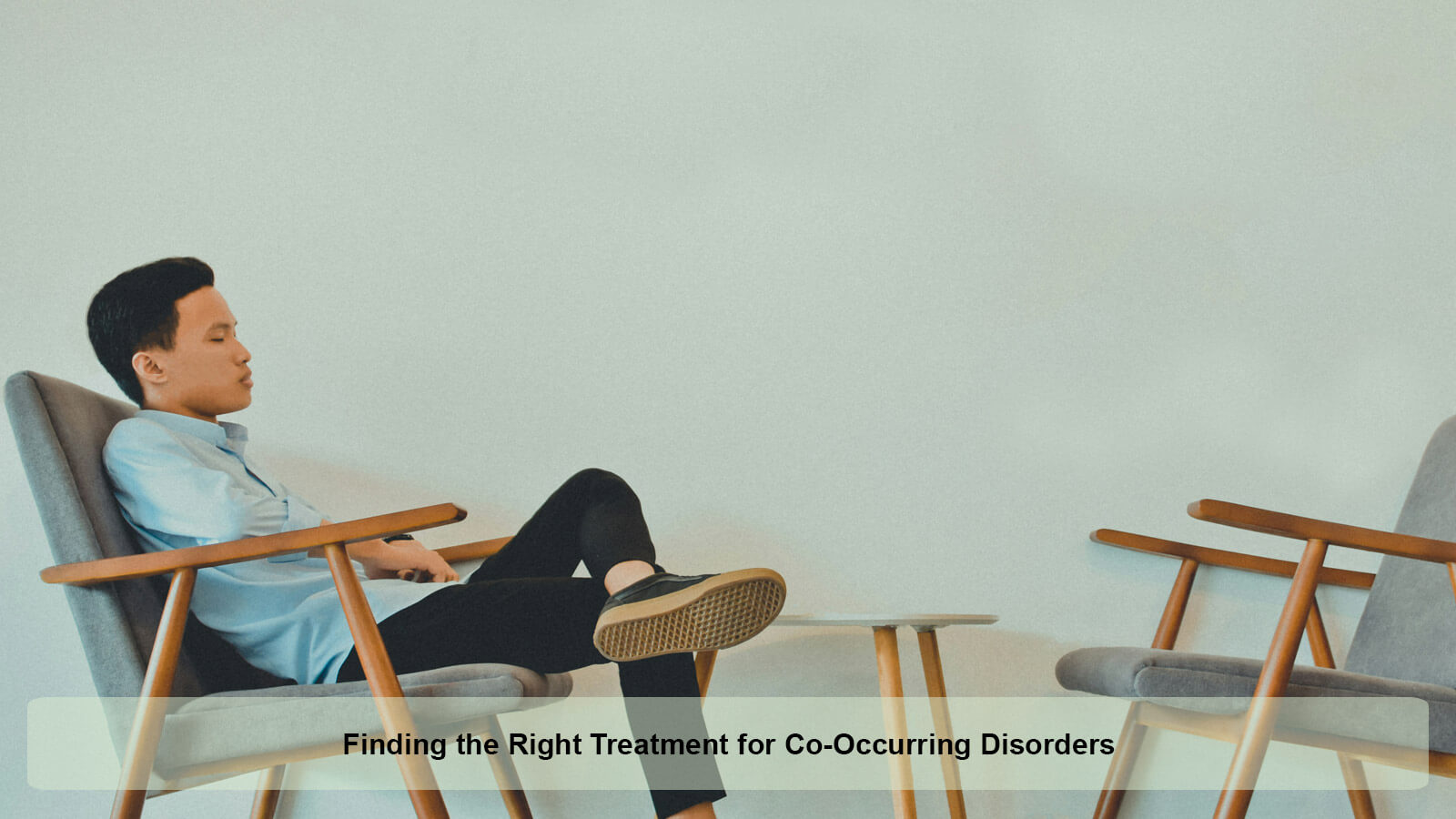
You are more than a diagnosis. At a luxury dual diagnosis rehab center, treatment goes far beyond managing symptoms—it focuses on healing the whole person. Whether you’re facing addiction, mental health challenges, or both, comprehensive care addresses every aspect of your physical, emotional, and psychological well-being.
For many individuals, long-term recovery begins with a dual diagnosis treatment program designed specifically for co-occurring disorders. These programs provide integrated care for people experiencing substance use disorders alongside mental health conditions.
A dual diagnosis, also known as a co-occurring disorder, means that a person has been diagnosed with both a substance use disorder and one or more mental health conditions. In the context of rehab, this typically includes combinations such as addiction with anxiety, depression, PTSD, bipolar disorder, personality disorders, or schizophrenia.
Research shows that nearly 50% of individuals with substance use disorders also have a co-occurring mental health condition. Because addiction and mental illness often influence one another, effective treatment requires a specialized, integrated approach offered at luxury rehab centers with dual diagnosis programs.
Although technically anyone with more than one diagnosis qualifies as having a dual diagnosis, luxury dual diagnosis rehab programs focus specifically on the relationship between addiction and mental health. These conditions are deeply interconnected, often sharing biological, psychological, and environmental risk factors.
Treating addiction without addressing underlying mental health issues or vice versa can significantly increase the risk of relapse. That’s why high-end rehab centers provide integrated addiction and mental health treatment under one coordinated care plan.
Mental health disorders and substance use disorders often coexist due to shared risk factors, including genetics, trauma, stress, and environmental influences. Studies suggest that genetics may account for up to half of a person’s risk for addiction, while life experiences such as chronic stress, unresolved trauma, and lifestyle factors also play a major role.
According to the Substance Abuse and Mental Health Services Administration (SAMHSA), individuals with mental illness are significantly more likely to develop a substance use disorder than those without mental health conditions.
Substance misuse alters brain chemistry, affecting mood, cognition, and emotional regulation. Over time, drug or alcohol use can worsen existing mental health conditions or contribute to the development of new ones.
Many people turn to substances as a form of self-medication for anxiety, depression, or trauma. While substances may offer temporary relief, long-term use often intensifies symptoms and creates a destructive cycle of dependency and emotional distress.
This cycle is especially pronounced in individuals with dual diagnosis, making professional, integrated treatment essential.
Addiction itself can be traumatic. Risky behaviors, damaged relationships, legal issues, and emotional instability frequently compound existing trauma or create new traumatic experiences. Some individuals develop PTSD as a direct result of substance use and its consequences.
Luxury rehab centers specializing in trauma-informed dual diagnosis treatment address both the original trauma and the trauma associated with addiction helping clients break free from cycles of emotional pain and substance dependence.
Many individuals enter rehab unaware they have a dual diagnosis. Common warning signs include:
If these symptoms resonate, a luxury rehab specializing in dual diagnosis treatment may be the most effective path forward.
Because co-occurring disorders are complex and highly individualized, personalized treatment is essential. When evaluating a luxury rehab center, consider asking:
The most effective dual diagnosis rehab programs take a holistic, integrated approach, coordinating care across medical, psychiatric, and therapeutic disciplines. This collaborative model improves long-term recovery outcomes by addressing the full spectrum of each client’s needs.
While some mental health conditions are chronic, they are highly manageable with the right combination of therapy, medication, and lifestyle support especially when addiction is treated simultaneously.
A diagnosis is a tool not an identity. While accurate diagnosis is essential for effective treatment, it does not define who you are or limit your future.
Dual diagnosis treatment at a luxury rehab center is not the end of the journey. it’s the beginning of lasting recovery, emotional clarity, and renewed purpose.
If you or a loved one may be struggling with addiction and mental health challenges, explore luxury rehab centers specializing in dual diagnosis treatment to find personalized care designed for long-term healing.
This article was reviewed by the RehabsNearMe Editorial Team for accuracy, clarity, and relevance. Information may be sourced from publicly available treatment resources, government agencies, and healthcare references where applicable.
Last reviewed: December 2025
Resources
 Resources
 Resources
 Resources