
 Resources
Positive Coping Skills for Teens: 44 Healthy Ways to Manage Stress
Published On 25-10-2026
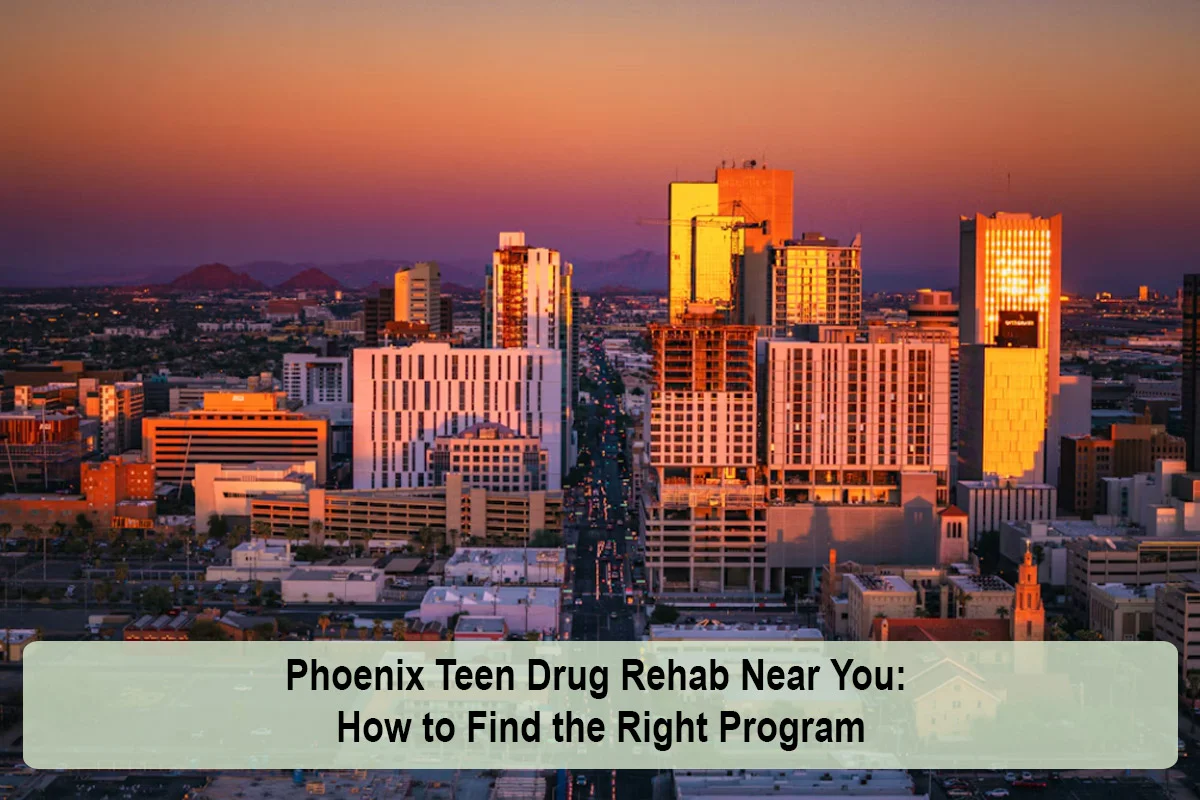
If you are searching for a teen drug rehab near Phoenix, you are likely worried, exhausted, and unsure where to start. Maybe you found vape pens or pills in your teen's room, your teen's grades and behavior have collapsed, or a recent scare made it clear that outpatient counseling is not enough. The Phoenix metro area, including Scottsdale, Mesa, Tempe, Chandler, Gilbert, Glendale, Peoria, and Cave Creek, has a range of adolescent treatment options. This guide explains teen substance use in Arizona, signs your teen may need rehab, levels of care, what to look for in a Phoenix-area teen program, how to pay for treatment, and how to take the first step.
Arizona teens face many of the same risks as teens nationwide, along with a serious fentanyl problem in the region. Arizona Youth Survey data from 2022 shared by the state showed that among Arizona 12th graders, 22.6% reported drinking alcohol in the past 30 days, 17.5% used marijuana, 14.8% vaped, and 13.6% used marijuana concentrates.
Early substance use can have lasting consequences. Maricopa County's 2023 Overdose Fatality Review Board annual report found that 44% of the adults who died of overdoses it reviewed had documented substance use before age 18. Getting help early matters.
Counterfeit pills made to look like prescription medications such as oxycodone (often called "M30s" or "blues"), Xanax, or Adderall frequently contain fentanyl. The U.S. Drug Enforcement Administration warns through its One Pill Can Kill campaign that fake pills are widespread and can contain deadly amounts of fentanyl. Teens who think they are taking a prescription pill may have no idea it contains fentanyl. Keep naloxone (Narcan) at home and teach your teen never to take a pill that did not come from a pharmacy. Learn more about opioid addiction treatment.
Our guides on finding weed in your teen's room and dabs, wax pens, and carts may also help.
| Level of Care | What It Involves | Best For |
|---|---|---|
| Outpatient therapy | Weekly individual and family sessions | Early or mild substance use with strong support at home |
| Intensive outpatient (IOP) | Several hours of treatment, several days a week, while living at home | Teens who need more than weekly therapy but can stay in school |
| Partial hospitalization (PHP) | Full-day treatment most weekdays, returning home at night | Significant use or mental health needs without needing 24-hour care |
| Residential treatment | Living at a treatment facility with 24-hour support, therapy, and schooling | Severe use, failed outpatient treatment, unsafe home environment, or co-occurring conditions |
| Detox | Medically supervised withdrawal management | Teens physically dependent on substances such as opioids, alcohol, or benzodiazepines |
A thorough assessment by an adolescent addiction specialist can help determine the right level of care. Learn more in our guides on what to expect in drug detox and what drugs require medical detox.
Teens need treatment designed for their developmental stage, separate from adults. Look for programs that serve only adolescents or have a dedicated teen track. See our page on adolescent treatment.
In Arizona, behavioral health facilities are licensed by the Arizona Department of Health Services. Many quality programs are also accredited by The Joint Commission or CARF.
Most teens with substance use problems also struggle with depression, anxiety, ADHD, or trauma. Look for co-occurring mental health treatment that treats both together.
Ask about CBT, DBT, motivational interviewing, and trauma-focused therapies, along with experiential options such as adventure therapy and art therapy.
Family participation strongly supports teen recovery. Look for programs with regular family therapy, parent education, and family weekends. See our page on family involvement.
Residential programs should offer accredited schooling or coordinate with your teen's school so they do not fall behind.
Recovery continues after a program ends. Ask about step-down care, outpatient referrals, relapse prevention planning, and alumni support.
Programs should have access to physicians and psychiatric providers who can manage withdrawal, medications, and co-occurring conditions.
| Time | Activity |
|---|---|
| Morning | Wake-up, breakfast, mindfulness or goal-setting group |
| Late morning | Academic classes |
| Afternoon | Individual therapy, group therapy, skills groups |
| Late afternoon | Recreation, fitness, art, music, or outdoor activities |
| Evening | Dinner, family calls, homework, recovery or reflection group |
Schedules vary by program, but structure, therapy, school, and healthy activities are common to most adolescent residential programs.
Length of stay depends on the teen's needs and the level of care. Intensive outpatient programs often run for several weeks to a few months. Residential programs for adolescents commonly last from 30 days to several months. Research and clinical experience suggest that staying in treatment long enough to build skills, and continuing with step-down care afterward, supports better outcomes than short stays alone. See our guide on what happens when treatment steps down.
Families in the Phoenix metro area can explore adolescent programs throughout the Valley. Nexus Teen Academy Oak in Scottsdale and Nexus Teen Academy Mesquite in Cave Creek are adolescent residential programs north of Phoenix. You can also browse listings for rehabs in Phoenix, Scottsdale, Chandler, Cave Creek, and all of Arizona. Many listed facilities serve adults only, so always confirm that a program treats adolescents and your teen's age.
Some families choose a program outside Arizona to give their teen a fresh start away from local peers and triggers. Others prefer a nearby program that makes frequent family involvement easier. Both approaches can work.
Arizona law allows parents to consent to behavioral health treatment for minors in many situations. Ask programs how they handle admissions for teens who are reluctant.
Finding the right teen drug rehab near Phoenix starts with recognizing the signs that your teen needs help and understanding the levels of care, from outpatient therapy to residential treatment. Look for adolescent-specific programming, Arizona licensing, dual diagnosis treatment, evidence-based therapies, strong family involvement, academic support, and aftercare planning. With fentanyl-laced pills widespread in the region, getting help early can save a life. Reach out to programs, ask questions, verify insurance, and take the first step toward recovery for your teen.
This article was reviewed by the RehabsNearMe Editorial Team for accuracy, clarity, and relevance. Information may be sourced from publicly available treatment resources, government agencies, and healthcare references where applicable.
Last reviewed: October 2026
Resources
 Resources
 Resources
 Resources