Loading...

Top Intensive Outpatient Program Treatment Programs

The best 38 treatment centers for Intensive Outpatient Program (IOP) care, featuring programs that specialize in outpatient drug rehab, outpatient alcohol treatment, and dual diagnosis IOP programs. Browse the curated options to choose the best program for you.
Intensive Outpatient Program Treatment

Intensive Outpatient Program Rehabs Near Me

Residential
Facility image

Key Healthcare

  • 5.0 (4)
  • 6270 Zumirez Dr, Malibu, California, 90265
  • Insurance Accepted
Residential
Facility image

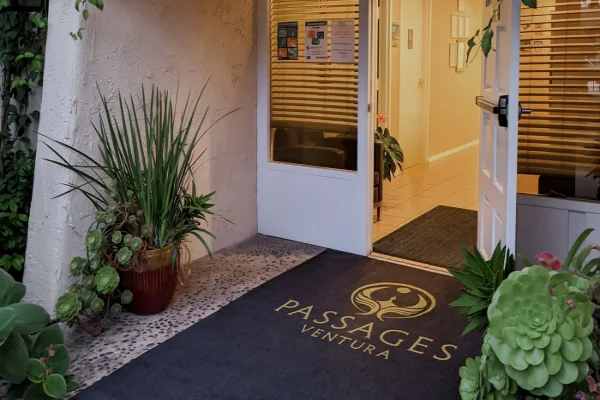
Passages Ventura

  • 3.0 (4)
  • 224 E Clara St, Port Hueneme, California, 93041
  • Insurance Accepted
Residential
Facility image

Iris Healing Center

  • 5.0 (8)
  • 23033 Ostronic Dr., Los Angeles, California, 91367
  • Insurance Accepted
Residential
Facility image

Red Door Life

  • 5.0 (6)
  • 14475 Mulholland Dr, Los Angeles, California, 90077
  • Insurance Accepted
Residential
Facility image

Summit Estate

  • 14455 Pike Rd, Saratoga, California, 95070
  • Insurance Accepted
Residential
Facility image

Oceanside Malibu

  • 21022 Pacific Coast Hwy, Malibu, California, 90265
  • Insurance Accepted
Residential
Facility image

Oceans Luxury Rehab

  • 5.0 (9)
  • 147 El Levante, San Clemente, California, 92629
  • Insurance Accepted
Residential
Facility image

Clear Life Recovery

  • 5.0 (7)
  • 2822 Monterey Ave, Costa Mesa, California, 92626
  • Insurance Accepted

More About Intensive Outpatient Program Treatment Programs

What Is an IOP, or Intensive Outpatient Program?

An Intensive Outpatient Program (IOP) gives you more attention than regular outpatient therapy, but you don't have to live there full-time like you would in residential treatment. It's for those who need ongoing, structured help with mental health or substance use issues but don't need to be watched around the clock in a hospital or residential setting.

IOPs usually include several hours of treatment each day, several days a week. The length of a program might be different for each person, but most last anywhere from a few weeks to a few months.

One of the best things about an IOP is that it is flexible. These programs are set up so that people can get the help they need while still going to work, school, and taking care of their families.

Many people utilize IOPs as a way to go from residential treatment or partial hospitalization (PHP). As improvement is made, the sessions may become less frequent and less intense. This will assist clients move comfortably into regular outpatient care or long-term aftercare.

Advantages of Going to an Intensive Outpatient Program

IOPs offer a good mix of structure, intensity, and freedom. Some of the most important benefits are:

Structured Support

IOPs provide a regular schedule of therapy sessions and activities, which helps create a routine and stability that are both important for recovery.

More Intensive Care

IOPs let people do deeper therapeutic work, learn more skills, and be more responsible than regular outpatient therapy.

Being flexible

You can keep working, going to school, or taking care of your family while you are in treatment because there are options for daytime and evening appointments.

Connecting with peers

Group therapy is a big part of IOPs because it lets people who are going through the same things connect with each other. This feeling of belonging might make people feel less alone and more motivated.

Learning New Skills

Participants acquire pragmatic coping mechanisms, stress alleviation methods, and relapse prevention tactics applicable in real-world contexts.

Care that goes down or up

IOPs can be a link between residential treatment and outpatient therapy, or they can be a step up from less intensive care when more help is needed.

Treatment that doesn't cost too much

IOPs are usually less expensive than inpatient programs because they don't offer 24/7 residential care. A lot of them take insurance, which makes it easier to get good care. One of the best things you can do is make a commitment to your health.

What to Look Forward to in an Intensive Outpatient Program

Most IOPs have at least 9 hours of structured treatment per week, spread out over a few days. Individual counseling, group therapy, psychoeducation, and case management are all common parts of services. The exact timing and level of treatment depend on what each person needs.

Some people see IOPs as a lower level of care after they have been in a hospital or a residential treatment center. For some people, they are a step up from regular outpatient therapy when they require more structure.

One of the best things about IOPs is that you may use new coping techniques right away in real life. Participants continue to engage with familial, occupational, and social contexts while receiving organized clinical assistance.

Treatment options may incorporate a blend of therapy, drugs (where suitable), and evidence-based behavioral strategies, including:

  • Cognitive Behavioral Therapy (CBT) This therapy helps people figure out what thoughts and behaviors are getting in the way of their mental health or substance use and change them.
  • Dialectical Behavior Therapy (DBT) is a type of therapy that focuses on being aware of your thoughts and feelings, controlling your emotions, dealing with stress, and getting along with others.
  • Motivational Interviewing is a way to work together to boost motivation and clear up any doubts about making changes.
  • Family therapy involves loved ones to help with communication, family issues, and long-term recovery.

Intensive outpatient programs offer the following treatments

IOPs offer thorough, personalized treatment through a variety of therapeutic methods. CBT, DBT, and Eye Movement Desensitization and Reprocessing (EMDR) are some of the methods that can be used in individual therapy.

  • CBT helps people figure out and change the negative thought processes that make their addiction or mental health problems worse.
  • DBT is very effective for people who have trouble controlling their emotions. It teaches them how to deal with strong feelings and make their relationships better.
  • EMDR is a type of therapy that focuses on trauma and helps lessen the emotional effects of bad memories.

Most IOPs offer group treatment and family therapy in addition to individual therapy. Both of these types of therapy are very crucial for recovering. Family therapy helps people talk to each other and build support systems, while group sessions help people connect, hold each other accountable, and learn from each other.

People also learn useful life skills including how to manage stress, create healthy habits, and stay independent. Planning for relapse prevention and treating co-occurring disorders are often part of care.

In general, Intensive Outpatient Programs are meant to help the full person—emotionally, cognitively, and socially—while also encouraging long-term rehabilitation. Each program is made to fit the demands of each person, which makes sure that the treatment works and lasts.

Intensive Outpatient Program Frequently Asked Questions

An Intensive Outpatient Program (IOP) is a structured treatment program that provides several hours of therapy per week for mental health or substance use disorders without requiring overnight stays.

Most Intensive Outpatient Programs require 9 to 20 hours of treatment per week, typically spread across three to five days.

IOPs are appropriate for individuals who need more support than weekly therapy but do not require 24-hour residential care. They are often used as a step-down from inpatient treatment or a step-up from standard outpatient care.

IOPs commonly include individual therapy, group therapy, family therapy, cognitive behavioral therapy (CBT), dialectical behavior therapy (DBT), trauma-informed therapy, and relapse prevention education.

The length of an IOP typically ranges from 4 to 12 weeks, depending on clinical needs and individual progress.

Yes. IOPs are designed to be flexible, allowing participants to continue working, attending school, or caring for family while receiving treatment.

Yes. Intensive Outpatient Programs are evidence-based and effective for treating substance use disorders, especially when combined with aftercare and relapse prevention planning.

Yes. IOPs are commonly used as a step-down level of care after inpatient or residential treatment to support continued recovery during reintegration into daily life.

Many insurance plans cover Intensive Outpatient Programs for mental health and substance use treatment. Coverage varies by provider and plan.

Partial Hospitalization Programs (PHPs) are more intensive and typically require 20–30 hours per week, while IOPs offer fewer hours and greater scheduling flexibility.

After completing an IOP, individuals usually transition to standard outpatient therapy, ongoing group support, or aftercare programs to maintain recovery.

Yes. All IOPs follow strict confidentiality laws and privacy regulations to protect patient information.
Top