
 Resources
Teen Gives Up on School? Why It Happens and How to Help
Published On 25-10-2026
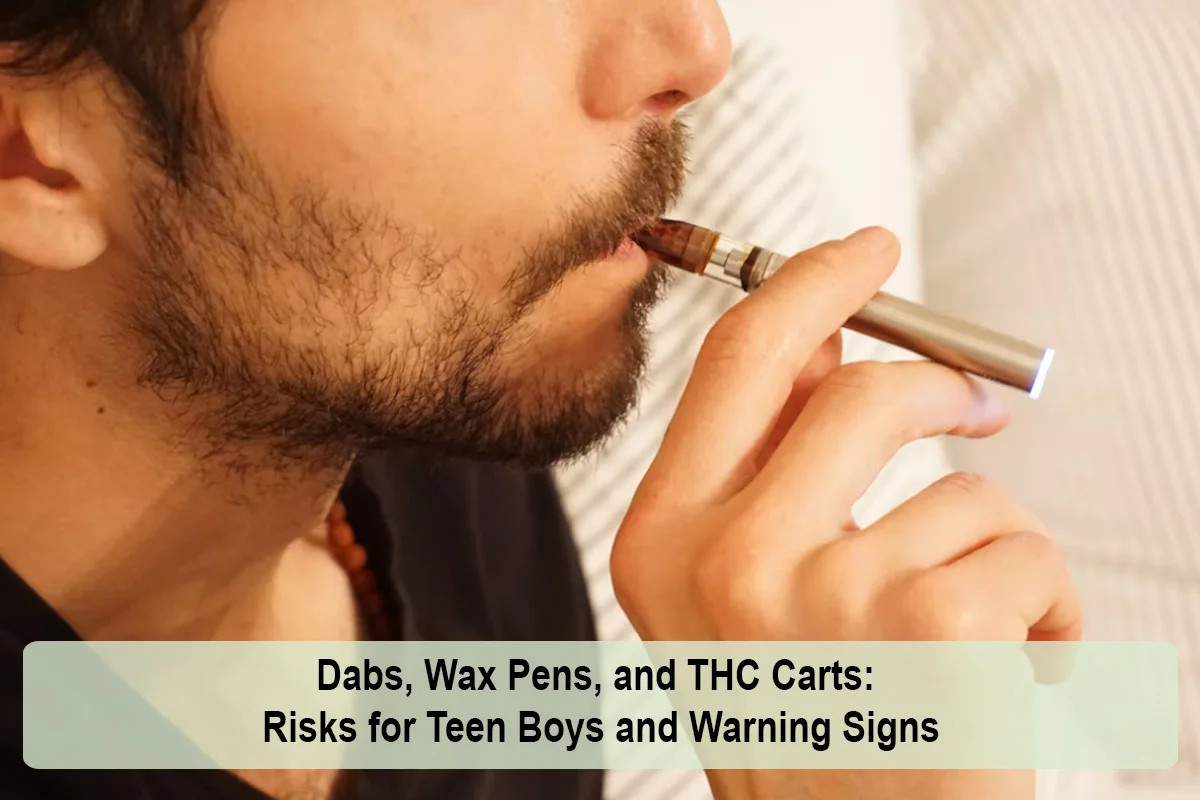
Today's cannabis is not the marijuana many parents remember. Teens now have easy access to dabs, wax pens, and THC carts, concentrated products that can contain several times more THC than traditional flower. They are small, easy to hide, nearly odorless, and often flavored, which makes them especially appealing to teen boys and especially hard for parents to spot. This guide explains what dabs, wax pens, and carts are, how potent they are, the specific risks for teenagers, from anxiety and psychosis to vaping lung injury and severe vomiting syndrome, the warning signs parents should watch for, how to talk to your teen, and when to seek treatment.
| Product | What It Is | How It Is Used | Why Teens Like It |
|---|---|---|---|
| Dabs (wax, shatter, budder, rosin) | Highly concentrated cannabis extracts | Heated on a hot surface (a "rig") or in a dab pen and inhaled | Very strong, fast high |
| Wax pens and dab pens | Portable vaporizers that heat concentrates | Inhaled like an e-cigarette | Discreet, little smell, easy to hide |
| THC carts (cartridges) | Prefilled cartridges of THC oil | Attached to a battery and vaped | Convenient, flavored, looks like a nicotine vape |
| Disposable THC vapes | All-in-one devices prefilled with THC oil | Vaped and thrown away | Cheap, available online or from peers |
Potency is the biggest difference between concentrates and traditional marijuana. According to the Washington State Liquor and Cannabis Board, cannabis flower now averages around 15% to 20% THC, with a 2022 average of about 21%. Concentrates such as wax, shatter, rosin, and hash oil generally range from 60% to 90% THC, with a 2022 average of about 69%. Because concentrates contain so much more THC, their effects are felt more quickly and intensely.
For a teenager whose brain is still developing, that level of exposure can be overwhelming and carries greater risks.
Teen marijuana use overall has declined in recent years. NIDA's 2025 Monitoring the Future survey found that about 26% of 12th graders used marijuana in the past year, but those who do use are increasingly exposed to high-potency products.
The CDC warns that cannabis use during adolescence may harm the developing brain, affecting attention, memory, learning, and problem-solving. Teens who use cannabis are more likely to leave high school early or not earn a college degree. Higher-potency products may increase these risks.
The CDC estimates that about 3 in 10 people who use cannabis have cannabis use disorder, and the risk is higher for those who start young and use frequently. Concentrates can speed up tolerance and dependence because each use delivers so much THC. Learn more about cannabis use disorder.
High doses of THC can cause intense anxiety, panic attacks, racing heart, and paranoia, sometimes leading to emergency room visits.
The CDC notes that cannabis users are more likely to experience temporary psychosis and, in some cases, long-lasting disorders including schizophrenia, with stronger links for people who start young and use more often. Research has linked high-potency cannabis to greater psychosis risk, especially for teens with a family history of psychotic disorders.
Heavy cannabis use is linked to depression, social anxiety, and mood swings. Some teens use THC to cope with low mood, which can create a cycle of worsening symptoms. See our page on depression treatment.
Some frequent, heavy users develop cannabinoid hyperemesis syndrome (CHS), which causes repeated episodes of severe nausea, vomiting, and abdominal pain. People with CHS often take long hot showers for relief. CHS can lead to dehydration and repeated emergency room visits, and the main treatment is stopping cannabis use.
Illicit THC carts may contain additives, pesticides, heavy metals, or cutting agents. During the 2019 to 2020 outbreak of e-cigarette or vaping product use-associated lung injury (EVALI), the CDC reported 2,807 hospitalized cases or deaths and 68 confirmed deaths nationwide, and identified vitamin E acetate, an additive found in some THC vaping products, as a primary cause. Products bought from friends, social media, or unlicensed sellers carry the greatest risk.
Dabbing often involves butane torches and very hot surfaces, which can cause burns. Making concentrates at home with butane can cause explosions and fires.
THC impairs reaction time, coordination, and judgment. Driving high is dangerous and illegal.
If you found something in his room, see our guide on what to do if you find weed in your teen's room.
SAMHSA's Talk. They Hear You. campaign offers free tools for talking with kids about substance use. Our guide for parents whose teen son is smoking weed has more conversation tips.
Teens may also encounter products labeled "hemp," "delta-8," or "THCA," sold online or in convenience and smoke shops. These products can still cause a high, often have inconsistent potency, and may contain contaminants. Federal rules for hemp-derived products have been changing, and enforcement varies by state, so teens should not assume these products are safe or legal for them. Our guide to THCA vs. THC explains the differences.
Many teen boys are athletes, and THC can affect coordination, reaction time, motivation, and recovery. Heavy use may also interfere with sleep and conditioning. Coaches and school athletic programs often have strict policies on substance use, and a positive drug test can mean losing a spot on the team. Framing the conversation around goals your son cares about, like sports, can make it more meaningful.
Call 911 or go to the emergency room if your teen has chest pain, trouble breathing, severe confusion, hallucinations, extreme paranoia, uncontrollable vomiting, or seizures after using THC products. You can also call Poison Help at 1-800-222-1222 for guidance.
There are no FDA-approved medications specifically for cannabis use disorder, but behavioral treatments are effective. Common approaches include:
Outpatient care works for many teens, while intensive or residential programs may help those with heavy use, psychosis, or serious mental health concerns. Learn more on our marijuana addiction treatment page and browse programs for boys and adolescents, including Nexus Teen Academy in Scottsdale. For free, confidential referrals, call the SAMHSA National Helpline at 1-800-662-4357.
If your teen wants to quit, support the decision, help remove devices and products from the home, and connect with a counselor who works with teens. Withdrawal symptoms like irritability, sleep problems, and decreased appetite are common for a few weeks; see our guide to marijuana withdrawal.
Dabs, wax pens, and THC carts deliver far more THC than traditional marijuana, often 60% to 90% compared with around 20% for flower. For teens, they raise the risk of addiction, anxiety, psychosis, depression, cannabinoid hyperemesis syndrome, and, with illicit carts, lung injury. Learn the warning signs, talk with your teen calmly and often, set clear expectations, and seek treatment if use is regular or affecting mental health.
This article was reviewed by the RehabsNearMe Editorial Team for accuracy, clarity, and relevance. Information may be sourced from publicly available treatment resources, government agencies, and healthcare references where applicable.
Last reviewed: October 2026
Resources
 Resources
 Resources
 Resources