
 Resources
Teen Gives Up on School? Why It Happens and How to Help
Published On 25-10-2026
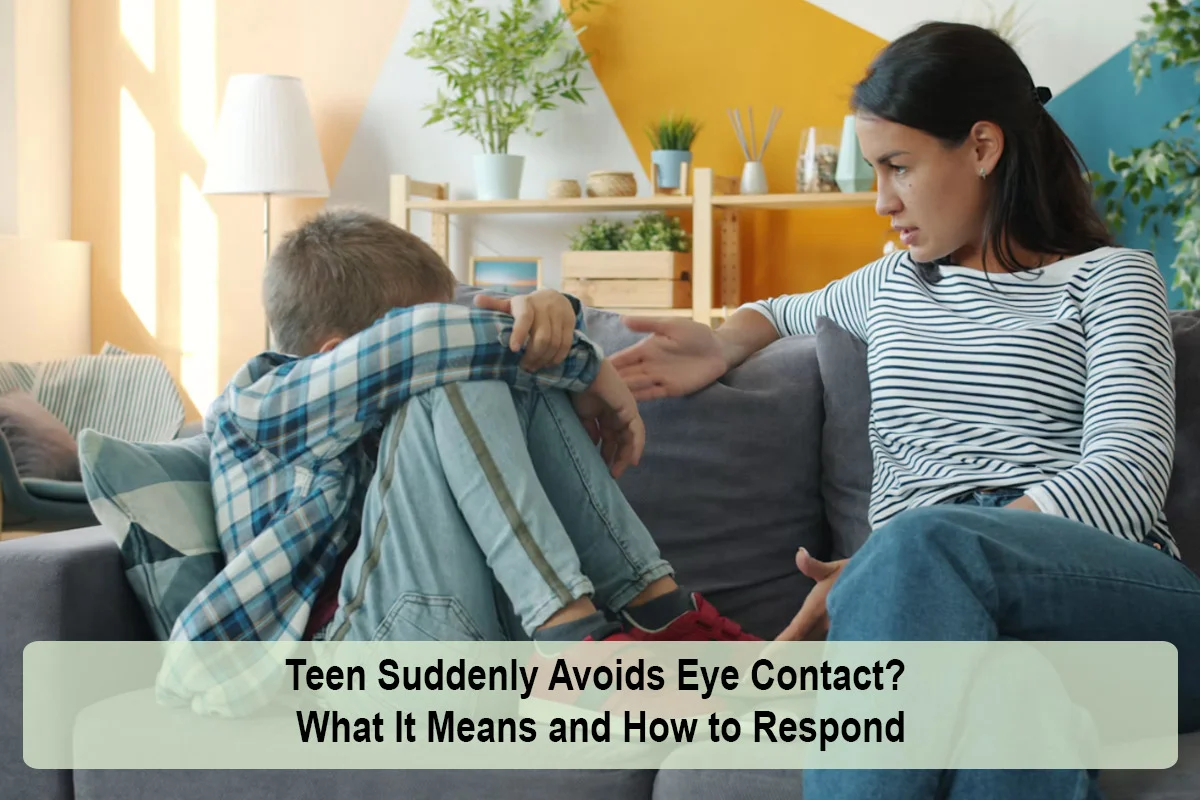
Your teen used to look you in the eye when you talked. Now they stare at the floor, their phone, or anywhere but your face. When a teen suddenly avoids eye contact, parents often wonder whether it is disrespect, guilt, or something more worrying. In most cases, a sudden change in eye contact says more about what a teen is feeling inside than about how they feel toward you. It can be a sign of anxiety, shame, sadness, overwhelm, or a painful experience they have not shared yet. This guide explains what it means when a teen avoids eye contact, the emotional and situational causes, when it might reflect autism or ADHD, how to respond without adding pressure, and when to get help.
Eye contact is one of the earliest ways humans bond and signal attention, trust, and understanding. But how much eye contact feels comfortable varies widely by culture, personality, and temperament. Some teens have always looked away during conversations. What matters most is change. Long-standing avoidance often reflects temperament or neurodivergence. A sudden drop in eye contact, especially with other changes in mood or behavior, is more likely to signal that something is bothering your teen.
Adolescents are also especially sensitive to how others see them. A direct gaze can feel intense when a teen is feeling embarrassed, judged, or emotionally raw, so looking away becomes a way to manage those feelings.
Teens with social anxiety fear being judged, embarrassed, or saying the wrong thing. Eye contact can feel like being put under a spotlight. They may also blush, fidget, speak quietly, or avoid speaking up in class. Learn more about anxiety treatment.
Teens who feel sad, hopeless, or worthless often lower their gaze and withdraw. Other signs include irritability, changes in sleep and appetite, and loss of interest in activities. The National Institute of Mental Health estimates that 20.1% of adolescents ages 12 to 17 had a major depressive episode in 2021. See our page on depression treatment.
A teen who feels they have let you down, broken a rule, or done something they regret may avoid your eyes. Sometimes the shame is about something that happened to them, not something they did.
When teens feel overwhelmed, they may "check out," fixing their eyes on a screen or object to reduce how much they have to take in.
After a frightening or painful experience, such as abuse, assault, bullying, or violence, teens may avoid eye contact because they feel unsafe, ashamed, or on guard. Learn more about trauma treatment and our guide to teen trauma signs.
Sometimes teens avoid eye contact because they are hiding something, such as substance use, a relationship, failing grades, or self-harm. Avoidance alone does not prove a teen is lying, but combined with secrecy and other changes, it is worth exploring gently.
For some teens, eye contact has always been uncomfortable or distracting. Autistic teens may find eye contact intense or even painful and may listen better when looking away. The CDC estimates that about 1 in 31 children have been identified with autism, based on 2022 data for 8-year-olds. Teens with ADHD may look around frequently because of distractibility. In these cases, avoiding eye contact is not a sign of disrespect or new distress, and forcing it can increase anxiety. If you have never seen your teen comfortable with eye contact and notice other social or sensory differences, an evaluation may be helpful. Learn more about our neurodivergent-friendly programs and ADHD treatment.
| Usually Not a Concern | May Signal Something Deeper |
|---|---|
| Has always made limited eye contact | Sudden change from their usual behavior |
| Looks away while thinking or talking about hard topics | Avoids eye contact in almost every interaction |
| Mood, sleep, and appetite are stable | Changes in sleep, appetite, energy, or mood |
| Still engaged with friends and activities | Withdrawing from friends, family, and hobbies |
| Comfortable talking in side-by-side settings | Shuts down, becomes tearful, or irritable when asked |
| No other worrying signs | Secrecy, falling grades, self-harm, or substance use |
| Instead of Saying | Try Saying |
|---|---|
| "Look at me when I am talking to you." | "You do not have to look at me. I just want to hear how you are doing." |
| "What are you hiding?" | "You seem like something is weighing on you. I am here if you want to talk." |
| "Stop being so rude." | "I have noticed things feel different between us lately. Did something happen?" |
| "You are acting guilty." | "Whatever is going on, you will not be in trouble for telling me how you feel." |
Eye contact often returns naturally when a teen feels safe and understood. Spend regular low-pressure time together, keep promises, respond calmly when your teen shares something difficult, and respect their privacy where appropriate. Notice and appreciate small moments of connection, such as a joke, a question, or a shared activity, without commenting on eye contact itself.
If your teen avoids eye contact mainly at school or with teachers, talk with a school counselor. Options may include written participation instead of speaking up in class, small-group work, a quiet place to take breaks, or a check-in with a trusted staff member. These small adjustments can lower anxiety while your teen builds confidence.
Teens who spend many hours on phones and games may become less comfortable with face-to-face conversation, and constant screen use can mask avoidance. Encourage some device-free time, especially at meals, and notice whether your teen seems more relaxed in conversation when screens are put away.
Contact your teen's doctor or a mental health professional if sudden eye avoidance lasts more than two weeks or comes with withdrawal, sadness, anxiety, sleep or appetite changes, falling grades, or signs of trauma, self-harm, or substance use. Cognitive behavioral therapy is effective for social anxiety and depression, and family therapy can improve communication at home. Related guides include teen emotional numbness and when a teen sits alone at lunch. Browse programs on our adolescent treatment page, including Nexus Teen Academy in Scottsdale and Nexus Teen Academy in Cave Creek. If your teen is in crisis, call or text 988.
When a teen suddenly avoids eye contact, it is usually a sign of internal stress, such as anxiety, shame, sadness, overwhelm, or a painful experience, rather than disrespect. Long-standing avoidance may reflect temperament, autism, or ADHD. Respond with calm curiosity, talk in side-by-side settings, validate feelings, and avoid demanding eye contact or explanations. If the change lasts more than two weeks or comes with other warning signs, professional help can uncover what is going on.
This article was reviewed by the RehabsNearMe Editorial Team for accuracy, clarity, and relevance. Information may be sourced from publicly available treatment resources, government agencies, and healthcare references where applicable.
Last reviewed: October 2026
Resources
 Resources
 Resources
 Resources