
 Resources
Teen Destroying Property at Home: Is It a Mental Health Crisis?
Published On 18-10-2026
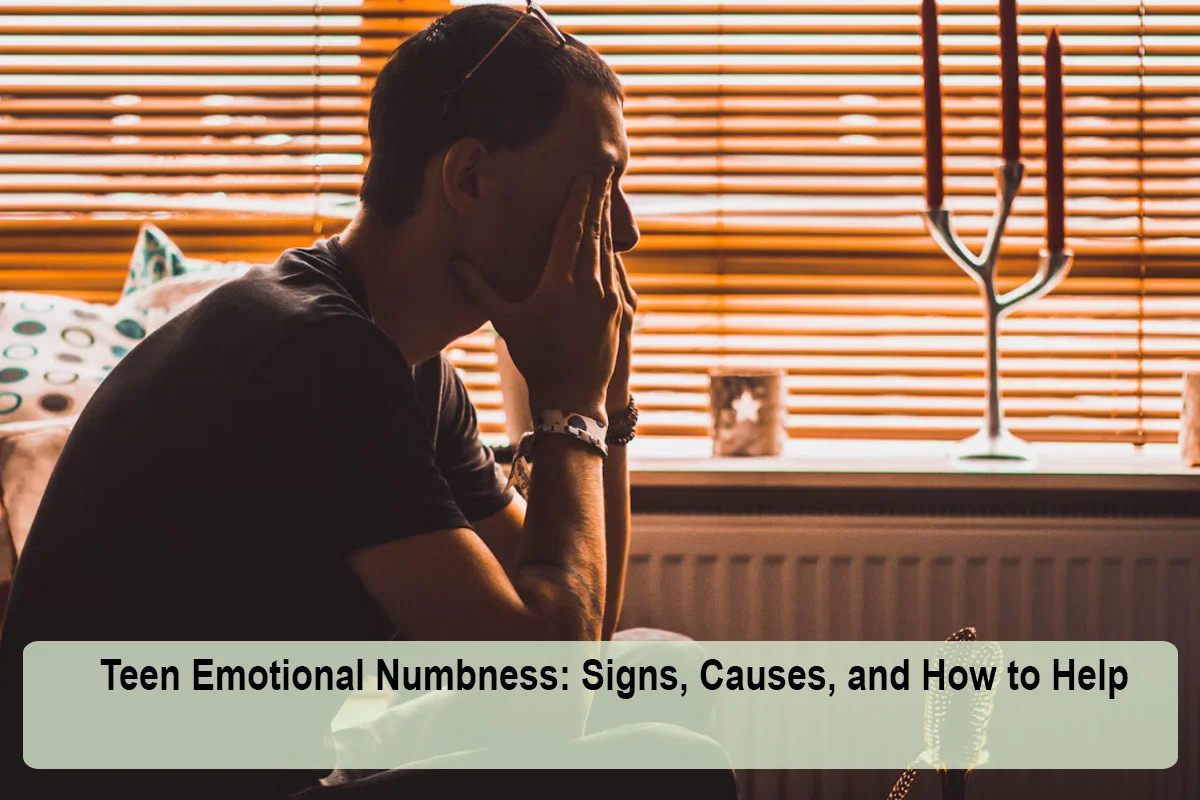
"I don't feel anything." When a teenager says this, or simply seems flat, blank, and disconnected, parents often do not know whether to worry. Emotional numbness in teens can look like boredom, laziness, or typical teenage coolness, but it can also be a sign that a young person is overwhelmed by stress, depression, anxiety, or trauma. This guide explains what emotional numbness is, the signs to watch for, the most common causes, how it differs from apathy and anhedonia, how parents can respond, and the treatments that help teens reconnect with their feelings.
Emotional numbness is a reduced ability to feel emotions, both painful and pleasant. Teens describe it as feeling empty, flat, detached, "like a robot," or as if they are watching their life from the outside. It is not a choice or a sign that a teen does not care. In most cases, it is the brain's way of protecting itself when emotions feel too intense or stress has gone on too long. While it may help in the short term, ongoing numbness can cut teens off from joy, motivation, and connection with others.
| Term | What It Means | How It May Look in a Teen |
|---|---|---|
| Emotional numbness | Muted or absent feelings overall, including sadness and happiness | "I do not feel anything." Blank expressions, no reaction to good or bad news |
| Apathy | Lack of interest, concern, or motivation | Not caring about grades, plans, or consequences |
| Anhedonia | Loss of pleasure in things that used to be enjoyable | Quitting a favorite sport or hobby because "it is not fun anymore" |
| Dissociation | Feeling detached from oneself, one's body, or surroundings | Zoning out, feeling unreal, losing track of time |
These experiences often overlap, and all of them can be symptoms of depression, anxiety, or trauma.
Depression in teens does not always look like sadness. It often shows up as emptiness, irritability, and loss of interest. According to the National Institute of Mental Health, an estimated 20.1% of adolescents ages 12 to 17 had a major depressive episode in 2021, and most experienced severe impairment. Emotional numbness and anhedonia are common parts of depression.
After trauma, the brain may shut down feelings to cope with overwhelming pain. Feeling detached from others and having trouble experiencing positive emotions are recognized symptoms of post-traumatic stress disorder. NIMH estimates that 5.0% of adolescents ages 13 to 18 have had PTSD. Learn more on our trauma treatment and PTSD treatment pages.
When stress or anxiety continues for a long time, the nervous system can move from fight-or-flight into a shutdown or "freeze" state. Teens under constant academic, social, or family pressure may stop feeling much of anything as a way to cope.
High-achieving teens who juggle demanding schedules, sports, and expectations may hit a wall of exhaustion that leaves them feeling hollow, even while their grades remain strong.
Alcohol, cannabis, and other drugs can dull emotions directly. Some teens use substances specifically to numb painful feelings, which can create a cycle of dependence and deeper disconnection.
Some teens taking certain antidepressants report feeling emotionally blunted. If this happens, they should talk to their prescriber rather than stopping medication on their own.
Loneliness, reduced in-person connection, and constant scrolling can contribute to feeling flat and disconnected. The CDC's 2023 Youth Risk Behavior Survey found that 39.7% of high school students felt persistently sad or hopeless in the past year, showing how widespread emotional struggles are among teens.
Yes. Some teens keep up their grades, sports, and responsibilities while feeling empty inside. This is sometimes called "high-functioning" depression or numbness. Because they appear fine, their struggles can go unnoticed. Pay attention to how your teen seems to feel, not only how they perform.
| Avoid Saying | Try Saying |
|---|---|
| "Just snap out of it." | "It sounds like things have felt flat for a while. I am here." |
| "You have nothing to be upset about." | "You do not need a reason to feel this way." |
| "Why do you not care about anything?" | "I have noticed you seem far away lately. What is that like for you?" |
| "Other kids have it worse." | "What you are going through matters." |
| "Stop being so dramatic." | "Would it help to talk to someone, like a counselor?" |
Sometimes. Short periods of numbness can follow intense events, even positive ones like moving away to college, or periods of extreme stress, poor sleep, illness, or exhaustion. Physical health problems, such as thyroid issues or anemia, can also cause fatigue and low mood that feel like numbness. A medical checkup can help rule these out. If numbness lasts more than a couple of weeks or keeps returning, a mental health evaluation is a good next step.
Some teens who feel numb turn to self-harm, risky behavior, or substances in an attempt to feel something or to break through the emptiness. If you notice unexplained cuts, burns, or bruises, long sleeves in warm weather, or sudden risk-taking, respond calmly and without anger, and get professional help right away. Our self-harm treatment page explains how therapy helps teens find safer ways to cope.
Contact your teen's doctor or a mental health professional if emotional numbness lasts more than two weeks, interferes with school or relationships, or comes with withdrawal, sleep or appetite changes, substance use, or self-harm. If your teen talks about suicide or is in danger, call or text the 988 Suicide and Crisis Lifeline or call 911. Browse programs on our adolescent treatment page, including Nexus Teen Academy in Scottsdale and Nexus Teen Academy in Cave Creek.
Emotional numbness in teens is a protective response to overwhelming stress, depression, anxiety, or trauma, not a sign that a teen does not care. Watch for emptiness, withdrawal, loss of interest, foggy thinking, and risk-taking to "feel something." Respond with patience and validation, support healthy routines and gentle connection, and seek professional help if numbness lasts more than two weeks or comes with safety concerns. With the right support, teens can reconnect with their emotions and with the people around them.
This article was reviewed by the RehabsNearMe Editorial Team for accuracy, clarity, and relevance. Information may be sourced from publicly available treatment resources, government agencies, and healthcare references where applicable.
Last reviewed: October 2026
Resources
 Resources
 Resources
 Resources