
 Resources
Teen Destroying Property at Home: Is It a Mental Health Crisis?
Published On 18-10-2026
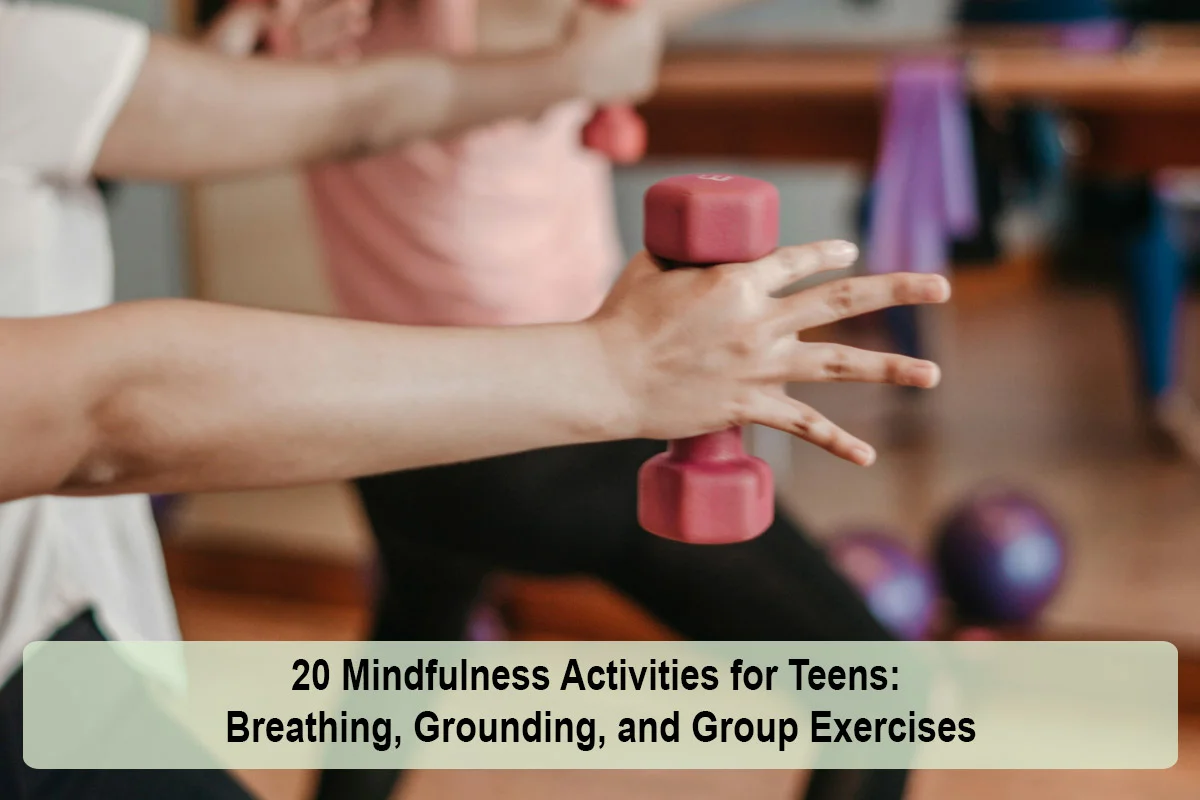
Teenagers today juggle school pressure, social media, friendships, family stress, and plans for the future, often all at once. Mindfulness activities for teens offer a simple, free way to slow down racing thoughts, ease anxiety, and handle big emotions without reacting on autopilot. You do not need special equipment or an hour of silence. Many of the best mindfulness exercises for teens take one to ten minutes and can be done at home, in class, before a test, or in bed at night. This guide explains what mindfulness is, what the research says, and 20 practical mindfulness activities for teens, including breathing exercises, grounding techniques, movement, journaling, and group mindfulness games.
Mindfulness means paying attention to the present moment on purpose, with curiosity and without judgment. For a teen, that might mean noticing the feeling of their feet on the floor during a stressful moment, recognizing "I am getting angry" before snapping at a parent, or focusing on one bite of food instead of scrolling. Mindfulness is not about emptying the mind or always feeling calm. It is about noticing thoughts and feelings so teens can choose how to respond.
Meditation is one way to practice mindfulness, usually by sitting and focusing on the breath or a guided recording. Mindfulness is broader and can be practiced during everyday activities like walking, eating, showering, or listening to music. Teens who dislike sitting still often do better with active mindfulness exercises.
Interest in mindfulness for young people is growing. According to the National Center for Complementary and Integrative Health, 5.4% of U.S. children ages 4 to 17 used meditation in 2017. NCCIH notes that meditation and mindfulness practices usually are considered to have few risks, though a review of 83 studies found about 8% of participants had a negative experience, most often anxiety or low mood, a rate similar to other psychological therapies. Research in adults is stronger than research in teens, so mindfulness works best as one tool alongside other support, not as a replacement for professional care.
The need for coping tools is real. The CDC's 2023 Youth Risk Behavior Survey found that 39.7% of high school students felt persistently sad or hopeless in the past year.
1. Belly Breathing. Place one hand on the chest and one on the belly. Breathe in slowly through the nose so the belly rises more than the chest, then exhale slowly. Practice for two to five minutes.
2. Box Breathing. Breathe in for 4 counts, hold for 4, breathe out for 4, and hold for 4. Trace a square in the air or on your leg to stay focused. Athletes and performers use this before big moments.
3. 4-7-8 Breathing. Inhale through the nose for 4 counts, hold for 7, and exhale slowly through the mouth for 8. Repeat four times. It works well at bedtime.
4. Five-Finger Breathing. Slowly trace up and down each finger of one hand, breathing in as you trace up and out as you trace down. It is discreet enough to use in class.
5. 5-4-3-2-1 Grounding. Name 5 things you see, 4 things you can touch, 3 things you hear, 2 things you smell, and 1 thing you taste. This pulls attention out of anxious thoughts and into the present.
6. Cold Water Reset. Splash cool water on your face or hold a cold drink and notice the sensation. Temperature changes can quickly shift attention during intense emotions.
7. Feet on the Floor. Press your feet firmly into the ground and notice the pressure, temperature, and texture. Name three things you feel.
8. Object Focus. Pick up a small object, like a stone or pen, and study it for one minute as if you have never seen it before.
9. Body Scan. Lying down, slowly move attention from the toes to the top of the head, noticing tension and letting it soften. Five to ten minutes is enough.
10. Guided Imagery. Picture a calm place in detail, such as a beach or a forest, and imagine the sounds, smells, and temperature.
11. Leaves on a Stream. Imagine placing each thought on a leaf and watching it float away. This teaches teens they do not have to hold onto every thought.
12. Loving-Kindness. Silently repeat phrases like "May I be safe, may I be calm," then send the same wishes to a friend, a family member, and even someone difficult.
13. Mindful Walking. Walk slowly and notice each step, the movement of your body, and the sounds around you. A nature walk adds extra calm.
14. Yoga and Stretching. Gentle yoga combines movement and breathing and is great for teens who struggle to sit still.
15. Mindful Eating. Eat a raisin, a piece of chocolate, or a strawberry slowly, noticing the look, smell, texture, and taste.
16. Mindful Music Listening. Listen to one song with eyes closed, focusing on a single instrument, then switching to another.
17. Gratitude Journal. Write three good things from the day and why they mattered. Over time this trains attention toward positives.
18. Emotion Check-In. Once or twice a day, write down what you feel, where you feel it in your body, and what triggered it. Patterns become easier to spot.
19. Mindful Coloring or Doodling. Mandalas, Zentangle patterns, or free doodling can calm the mind. See our list of art therapy ideas for teens for more.
20. Phone-Free Minute. Before opening a social app, pause for one breath and ask, "Why am I reaching for my phone right now?"
| Situation | Try This | Time |
|---|---|---|
| Test anxiety | Box breathing or five-finger breathing | 1 to 2 minutes |
| Panic or overwhelm | 5-4-3-2-1 grounding or cold water reset | 2 to 3 minutes |
| Anger | Pause, feet on the floor, three slow breaths | 1 minute |
| Trouble sleeping | 4-7-8 breathing or body scan | 5 to 10 minutes |
| Low mood | Gratitude journal or mindful walk outside | 10 to 20 minutes |
| Restlessness | Yoga, stretching, or mindful walking | 5 to 15 minutes |
| Racing thoughts | Leaves on a stream | 5 minutes |
Mindfulness is a helpful skill, but it is not a treatment for serious mental health conditions on its own. Some teens with trauma may find certain exercises, like closing their eyes or focusing on the body, upsetting at first. If that happens, try eyes-open, movement-based options and consider guidance from a trained therapist. Seek professional help if your teen has ongoing anxiety, depression, panic attacks, self-harm, or substance use.
Many therapies build mindfulness directly into treatment, including dialectical behavior therapy (DBT), mindfulness-based cognitive therapy, and mindfulness therapy. Read how mindfulness supports recovery in our guide to mindfulness in addiction recovery, and browse programs on our adolescent treatment page, including Nexus Teen Academy in Scottsdale and Nexus Teen Academy in Cave Creek. If a teen is in crisis, call or text 988.
The best mindfulness activities for teens are short, practical, and easy to use in real life: belly and box breathing, 5-4-3-2-1 grounding, body scans, mindful walking, yoga, gratitude journaling, and group mindfulness games. Mindfulness is considered low-risk and can help teens manage stress, anxiety, anger, and sleep problems. Encourage your teen to try a few exercises, keep them brief, and practice together. If anxiety, depression, or other struggles continue, combine mindfulness with professional support.
This article was reviewed by the RehabsNearMe Editorial Team for accuracy, clarity, and relevance. Information may be sourced from publicly available treatment resources, government agencies, and healthcare references where applicable.
Last reviewed: October 2026
Resources
 Resources
 Resources
 Resources