
 Resources
Teen Gives Up on School? Why It Happens and How to Help
Published On 25-10-2026
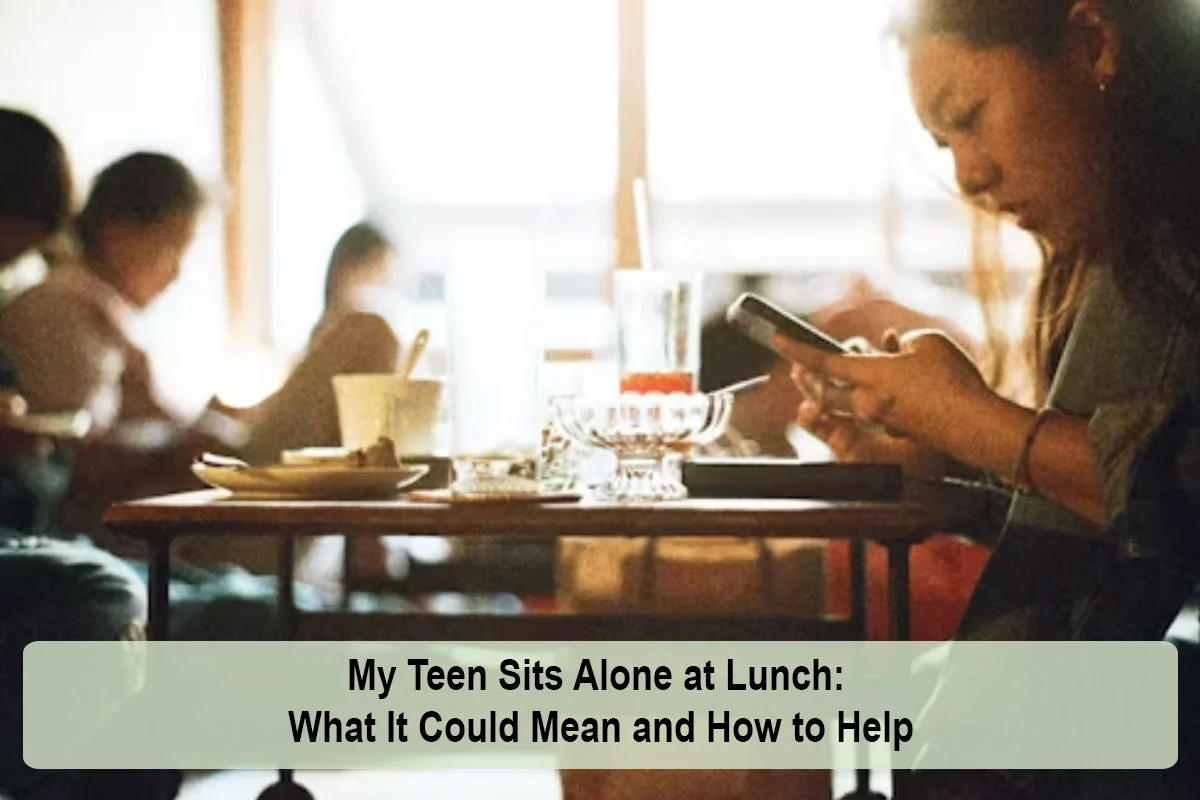
Finding out your teen sits alone at lunch can be heartbreaking. Maybe they mentioned it casually, a teacher brought it up, or you noticed they never talk about friends. For many parents, the image of their child eating alone in a crowded cafeteria brings up worry about loneliness, bullying, or depression. Sometimes sitting alone is a simple preference or a temporary phase. Other times it is a sign that a teen is struggling socially or emotionally. This guide explains the common reasons teens sit alone at lunch, the red flags to watch for, how to talk with your teen about it, practical ways to help them build connections, and when to get professional support.
Lunch is one of the few unstructured social times in a teen's school day. Where and with whom a teen sits can shape how included or excluded they feel. For some teens, it is a relaxing break. For others, it can be the most stressful part of the day. Social connection matters for teen mental health. The U.S. Surgeon General's advisory on loneliness and isolation reported that young people ages 15 to 24 experienced a 70% decline in social interaction with friends over the past two decades, the largest drop of any age group.
Teens with social anxiety may badly want friends but feel too afraid of judgment or rejection to approach anyone. Over time, avoidance can shrink their world. Learn more about anxiety treatment.
Some teens sit alone because they are being teased, excluded, or targeted. According to the National Center for Education Statistics, about one in five students ages 12 to 18 were bullied at school in 2021 to 2022, with being the subject of rumors and being made fun of among the most common forms, and 4% reporting being excluded from activities on purpose.
Depressed teens may withdraw from peers, believe no one wants them around, or lack the energy to socialize. The CDC's 2023 Youth Risk Behavior Survey found that 39.7% of high school students felt persistently sad or hopeless in the past year. See our page on depression treatment.
Some teens, including those with ADHD or autism, find it hard to read social cues, join conversations, or keep friendships going. They may want connection but not know how to get it.
Teens exploring their identity, including LGBTQ teens or those from different cultural backgrounds, may struggle to find a group where they feel accepted.
| Likely a Preference | May Signal a Problem |
|---|---|
| Has friends outside of lunch | No friends at school or outside school |
| Seems content and relaxed | Seems sad, anxious, or ashamed about it |
| Enjoys clubs, sports, or hobbies | Has dropped activities and invitations |
| Talks openly about school | Avoids talking about school or peers |
| Normal sleep, appetite, and mood | Stomachaches, headaches, or dread before school |
| Recent move or schedule change | Sudden loss of friends with no clear reason |
Ask one or two at a time, not all at once, and pay attention to what your teen avoids talking about as well as what they say.
For teens with social anxiety, gradual practice works better than pushing them into big social situations. Work with your teen to make a "ladder" of steps from easiest to hardest, such as saying hi to a classmate, asking a question in class, sitting near a group at lunch, and then joining the group. Practice one step until it feels manageable before moving on, and praise effort rather than results. A therapist trained in cognitive behavioral therapy can guide this process and teach coping skills for anxious thoughts.
Yes, especially if you notice distress, withdrawal, or signs of bullying. School counselors and teachers can observe lunch periods, connect your teen with peer programs or lunch clubs, and address bullying. Many schools offer lunch groups, buddy programs, or quiet spaces for teens who find the cafeteria overwhelming.
Some teens skip eating entirely to avoid the cafeteria, hiding in bathrooms or empty classrooms. If your teen comes home starving or often has an untouched lunch, ask gently about it. Practical options include eating in the library or a counselor's office, joining a lunchtime club, or arranging to eat with one trusted friend. Making lunch more manageable can lower anxiety for the rest of the school day, too.
Many teens who are lonely at school find friends online through games, forums, or shared interests. These connections can be genuinely supportive and a bridge to building confidence. Stay interested in who your teen talks to, discuss online safety, and encourage balance with in-person activities.
Consider a therapist if loneliness, sadness, or anxiety lasts more than a few weeks, gets worse, or affects sleep, schoolwork, or daily life. Cognitive behavioral therapy is effective for social anxiety and depression, and group therapy gives teens a safe place to practice social skills with peers who understand. Related guides include when a teen stays locked in their room and teen emotional numbness. Browse programs on our adolescent treatment page, including Nexus Teen Academy in Scottsdale and Nexus Teen Academy in Cave Creek. If your teen is in crisis, call or text 988.
A teen who sits alone at lunch may simply be introverted, new to the school, between friend groups, or overwhelmed by the noise. But sitting alone can also signal social anxiety, bullying, depression, or difficulty connecting. Look at the bigger picture, talk with curiosity instead of pressure, ask directly about bullying, help your teen find shared-interest spaces, and involve the school when needed. If loneliness or anxiety lasts more than a few weeks, professional support can help your teen build confidence and connection.
This article was reviewed by the RehabsNearMe Editorial Team for accuracy, clarity, and relevance. Information may be sourced from publicly available treatment resources, government agencies, and healthcare references where applicable.
Last reviewed: October 2026
Resources
 Resources
 Resources
 Resources