
 Resources
Teen Destroying Property at Home: Is It a Mental Health Crisis?
Published On 18-10-2026
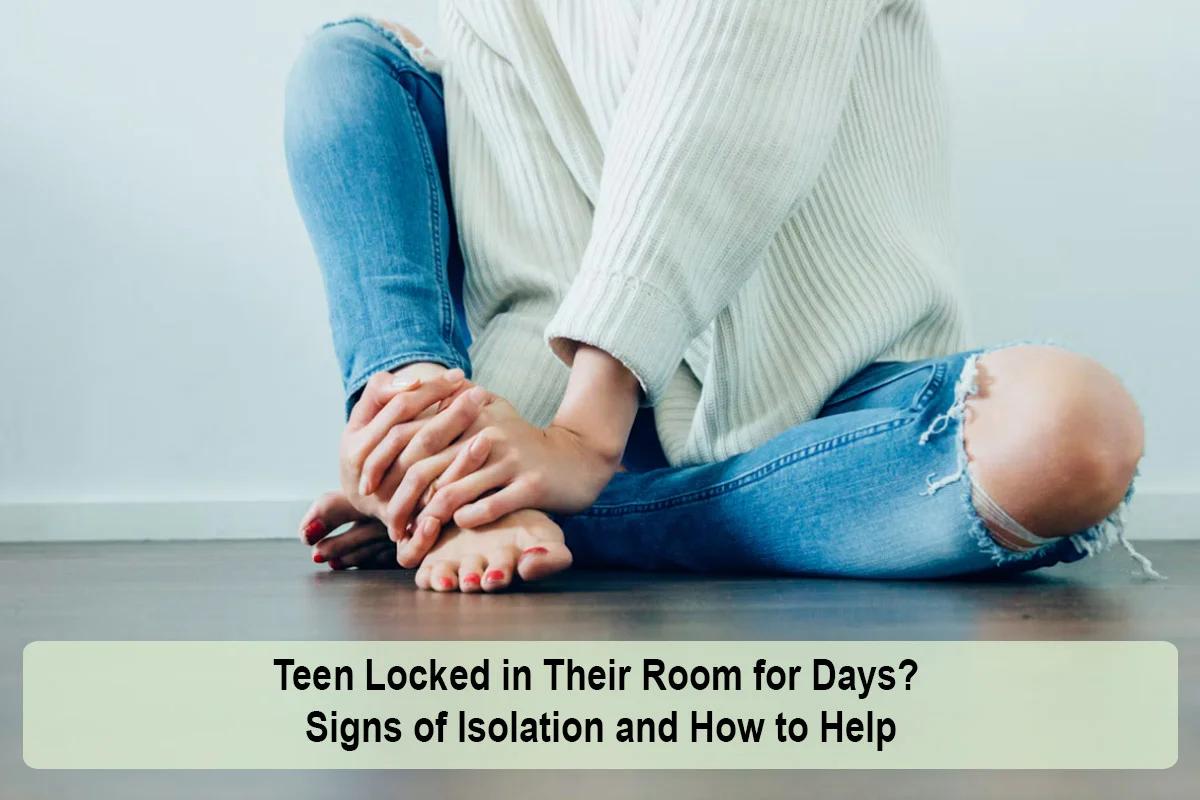
Your teen comes home from school, goes straight to their room, and stays there. Meals are skipped or taken behind a closed door, conversations shrink to one-word answers, and days go by with barely any contact. When a teen stays locked in their room for days, parents often swing between worry and frustration. Is this normal teenage privacy, a phase, or a sign of something more serious? This guide explains the difference between healthy alone time and isolation, why teens shut themselves away, the warning signs to watch for, what to say and do, and when it is time to get professional help.
Wanting privacy is a normal part of adolescence. Teens need space to recharge, think, talk with friends, and figure out who they are. Spending a lot of time in their room is not automatically a problem, especially if they still come out for meals, keep up with school, see friends, and have reasonably normal moods.
The concern grows when time alone turns into withdrawal from nearly everything: family, friends, school, activities, and basic routines. The pattern and duration matter more than any single day.
| Healthy Alone Time | Concerning Isolation |
|---|---|
| Comes out for meals and family time most days | Skips meals or eats only alone in their room |
| Keeps up with school and activities | Missing school, falling grades, or dropping activities |
| Still sees or talks with friends | Stops seeing friends or loses friendships |
| Normal sleep schedule for a teen | Up all night, sleeping all day, or barely sleeping |
| Maintains hygiene | Hygiene, room, and self-care sliding |
| Moods are generally stable | Irritable, flat, tearful, or hopeless much of the time |
| Retreats after a stressful day, then re-engages | Withdrawal lasting weeks with no clear end |
Depression often shows up in teens as withdrawal, irritability, low energy, and loss of interest rather than obvious sadness. The National Institute of Mental Health estimates that 20.1% of adolescents ages 12 to 17 had a major depressive episode in 2021. Learn more about depression treatment.
For anxious teens, the bedroom can feel like the only safe place. Social anxiety can make family interactions, school, and outings feel exhausting or frightening. See our guide to anxiety treatment.
Teens who are being bullied, excluded, harassed online, or who have experienced a breakup, assault, or other trauma may hide away rather than talk about it. The National Center for Education Statistics reports that about one in five students ages 12 to 18 were bullied at school in 2021 to 2022.
Academic pressure, sports, jobs, and social demands can leave teens drained. Retreating to their room may be their way of escaping constant expectations.
If home feels tense, critical, or chaotic, a teen may stay in their room to avoid conflict.
For many teens, their social life is largely online. Gaming and social media can be a real source of connection, but excessive use can also replace sleep, school, and in-person relationships. Our teen phone addiction statistics show how heavy screen time links to anxiety and depression symptoms.
Some teens isolate to hide vaping, drinking, or drug use. Locked doors, unusual smells, secrecy, and changes in friends or money can be clues.
The U.S. Surgeon General's advisory on loneliness and isolation reported that young people ages 15 to 24 experienced a 70% decline in social interaction with friends over the past two decades, the steepest drop of any age group. Teens who feel they have no one may withdraw further, creating a cycle of isolation.
Suddenly removing devices often backfires, increasing anger, secrecy, and isolation, especially if online friends are a teen's main source of connection. If limits are needed, explain them ahead of time, tie them to routines such as no devices after a certain hour, and pair them with offers of other activities. Treat online connection as a possible bridge rather than the enemy.
Strict open-door rules often create power struggles. A better approach for most families is to respect privacy while setting simple safety expectations, such as answering when you knock and joining the family for dinner. If you have serious safety concerns, such as signs of self-harm or drug use, safety comes before privacy.
Hikikomori is a Japanese term for severe social withdrawal, in which a young person stays in their home or room for six months or more and avoids school, work, and social contact. It has been described in many countries, not just Japan. Most teens who spend a lot of time in their rooms are nowhere near this level, but prolonged, extreme withdrawal deserves prompt professional attention, since it often involves depression, anxiety, or other conditions that respond to treatment.
If isolation includes refusing to go to school, contact the school quickly. Ask for a counselor or trusted staff member, a check-in plan, and temporary adjustments if needed. School refusal is often driven by anxiety or depression, and the longer it continues, the harder returning can become.
Watching your teen withdraw is stressful and can leave you feeling helpless or rejected. Share the load with a partner, friend, or counselor, and keep up your own routines. Staying calm and steady helps your teen feel safe enough to come out of their room.
Reach out to your teen's doctor or a mental health professional if withdrawal lasts more than two weeks, involves skipping school, sleep or eating changes, or declining self-care, or comes with signs of depression, substance use, or self-harm. Cognitive behavioral therapy, dialectical behavior therapy, and family therapy can help teens re-engage step by step. When outpatient care is not enough, a residential mental health program may help. Browse programs on our adolescent treatment page, including Nexus Teen Academy in Scottsdale and Nexus Teen Academy in Cave Creek. If your teen is in crisis, call or text 988 or call 911.
A teen locked in their room for days may simply need privacy, but long-lasting isolation with skipped meals, missed school, sleep changes, and declining self-care can signal depression, anxiety, bullying, burnout, substance use, or loneliness. Observe the pattern, keep routines and invitations steady, avoid forcing your way in, start short and gentle conversations, and ask directly about safety if you are worried. When withdrawal lasts more than two weeks or comes with warning signs, professional help can make a real difference.
This article was reviewed by the RehabsNearMe Editorial Team for accuracy, clarity, and relevance. Information may be sourced from publicly available treatment resources, government agencies, and healthcare references where applicable.
Last reviewed: October 2026
Resources
 Resources
 Resources
 Resources