
 Resources
Teen Destroying Property at Home: Is It a Mental Health Crisis?
Published On 18-10-2026
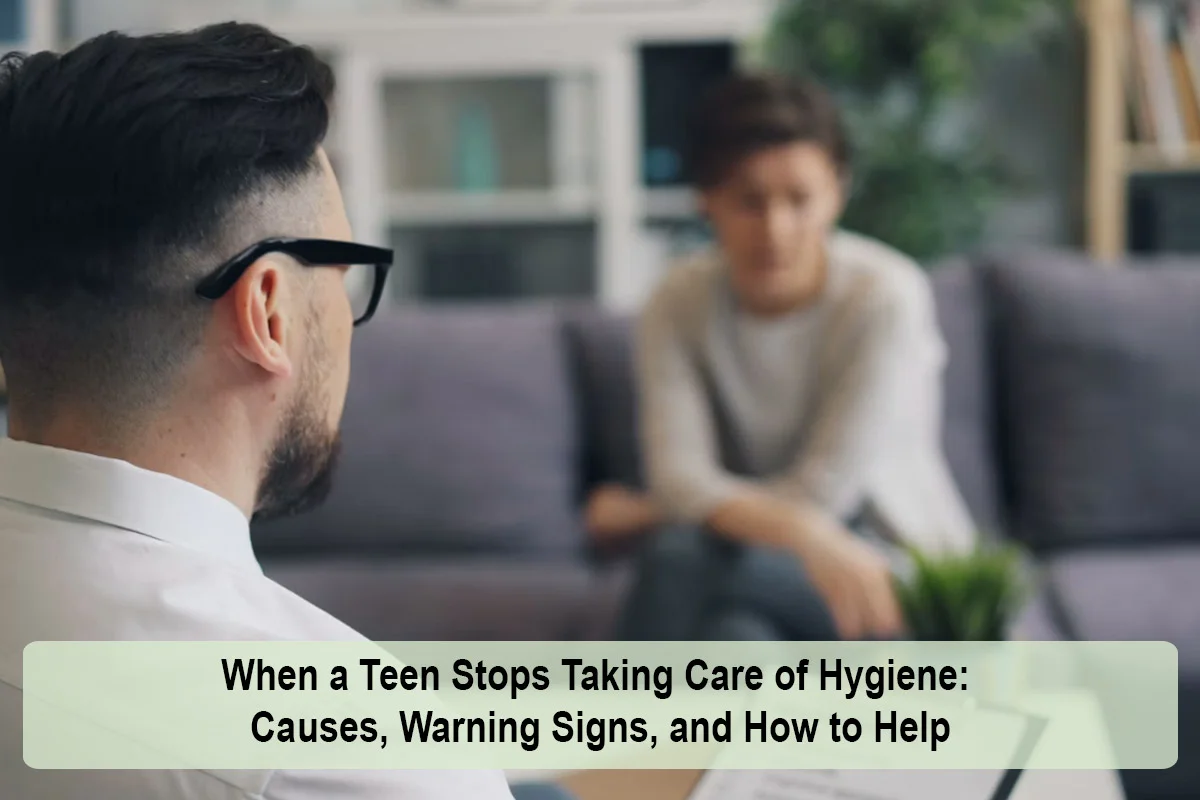
When a teen stops taking care of hygiene, parents often assume laziness or rebellion. Skipped showers, unbrushed teeth, the same clothes for days, and a messy room can be frustrating, especially when reminders seem to go nowhere. But a sudden or ongoing decline in personal hygiene can be one of the earliest visible signs that a teenager is struggling with depression, anxiety, trauma, or another mental health problem. This guide explains why teens stop showering and caring for themselves, how to tell normal teen messiness from a warning sign, what to say and what to avoid, and when poor hygiene in a teenager means it is time to get help.
Hygiene routines take energy, motivation, planning, and a basic sense that you are worth caring for. When any of those are disrupted, self-care is often the first thing to slip. Common reasons include:
Depression drains energy and motivation and can make simple tasks like showering, brushing teeth, or changing clothes feel overwhelming. It is also common in teens. According to the National Institute of Mental Health, an estimated 20.1% of adolescents ages 12 to 17 had a major depressive episode in 2021, including 29.2% of girls and 11.5% of boys, and most of them experienced severe impairment.
Some anxious teens avoid the bathroom, mirrors, or getting ready because these routines trigger worry about how they look or how others will judge them. Others are so overwhelmed by school or social stress that self-care falls away.
Teens who have experienced trauma, especially sexual abuse or assault, may avoid showering or undressing, or may neglect their appearance to feel less noticed. Changes in hygiene after a frightening or painful event deserve gentle attention.
Teens with ADHD, autism, or sensory processing differences may find water temperature, the feel of towels, the smell of products, or the sound of a shower uncomfortable. ADHD can also make it hard to remember, plan, and follow through on routines.
Academic pressure, a breakup, the death of a loved one, a move, or family conflict can leave teens emotionally exhausted. When everything feels like too much, hygiene often drops to the bottom of the list.
The National Center for Education Statistics reports that about one in five students ages 12 to 18 were bullied at school in 2021 to 2022. Teens who are bullied may withdraw, stop caring about appearance, or even avoid grooming so they feel invisible.
Regular drinking, cannabis, or other drug use can disrupt sleep, motivation, and routines. A decline in hygiene alongside secrecy, new friends, or missing money may point to substance use.
| Usually Normal | Possible Warning Sign |
|---|---|
| Forgetting to shower now and then but responding to reminders | Skipping showers or brushing teeth for several days at a time |
| A messy room or wearing favorite clothes often | Wearing the same dirty clothes for days and refusing to change |
| Rushed routines on busy mornings | Staying in pajamas all day and rarely leaving their room |
| Some eye rolling when reminded | Tearfulness, shame, anger, or extreme defensiveness when hygiene comes up |
| Normal increase in body odor during puberty | Sudden decline in a teen who used to care about appearance |
| Stable mood, sleep, and friendships | Changes in sleep, appetite, grades, friendships, or interests |
A useful rule of thumb: if poor hygiene lasts more than two weeks, appears suddenly, or comes with other changes in mood or behavior, look for what is underneath.
When a teen is struggling emotionally, the goal is progress, not perfection. Break routines into small, doable steps:
For neurodivergent teens, hygiene struggles are often about executive function and sensory comfort rather than motivation. Helpful adjustments include:
| Time | Minimum Goal on Hard Days | Full Goal on Good Days |
|---|---|---|
| Morning | Wash face, deodorant, clean shirt | Brush teeth, wash face, deodorant, full clean outfit |
| After school | Change out of sweaty clothes | Quick shower after sports or activity |
| Evening | Mouthwash or brush teeth | Shower, brush teeth, skincare |
| Weekly | Put dirty clothes in hamper | Change sheets, help with laundry |
Having a "minimum" version gives teens a realistic way to succeed even when they are struggling.
Neglecting self-care is a common sign of depression in teens, but it can also make depression worse. Poor hygiene can lead to embarrassment, avoiding friends, and feeling worse about oneself, which deepens isolation and low mood. Breaking this cycle often requires treating the depression, not just enforcing showers. The CDC's 2023 Youth Risk Behavior Survey found that 39.7% of high school students felt persistently sad or hopeless in the past year, so this is a widespread concern, not a rare one.
Siblings may tease a teen about hygiene, which can deepen shame. Talk privately with siblings about being kind and avoiding comments. Keep the household routine predictable, with regular meals, laundry days, and lights-out times, so self-care fits naturally into the day. Small acts of support, like leaving fresh towels out or offering a ride to get a haircut, can quietly communicate care without pressure.
Contact your teen's pediatrician or a mental health professional if:
A doctor can rule out medical causes and screen for depression and anxiety. Effective treatment often includes cognitive behavioral therapy, dialectical behavior therapy, and family therapy. When outpatient care is not enough, a residential mental health program can provide structure and help teens rebuild daily routines. Browse programs on our adolescent treatment page, including Nexus Teen Academy in Scottsdale and Nexus Teen Academy in Cave Creek. If your teen is in crisis, call or text 988 or call 911.
When a teen stops taking care of hygiene, it is not always laziness or rebellion. Depression, anxiety, trauma, sensory issues, ADHD, bullying, burnout, and substance use can all make self-care feel impossible. Respond with curiosity instead of criticism, avoid shaming and power struggles, break routines into small steps, and pay attention to other changes in mood and behavior. If hygiene problems last more than two weeks or come with signs of depression or withdrawal, reach out to a professional.
This article was reviewed by the RehabsNearMe Editorial Team for accuracy, clarity, and relevance. Information may be sourced from publicly available treatment resources, government agencies, and healthcare references where applicable.
Last reviewed: October 2026
Resources
 Resources
 Resources
 Resources