
 Resources
Teen Destroying Property at Home: Is It a Mental Health Crisis?
Published On 18-10-2026
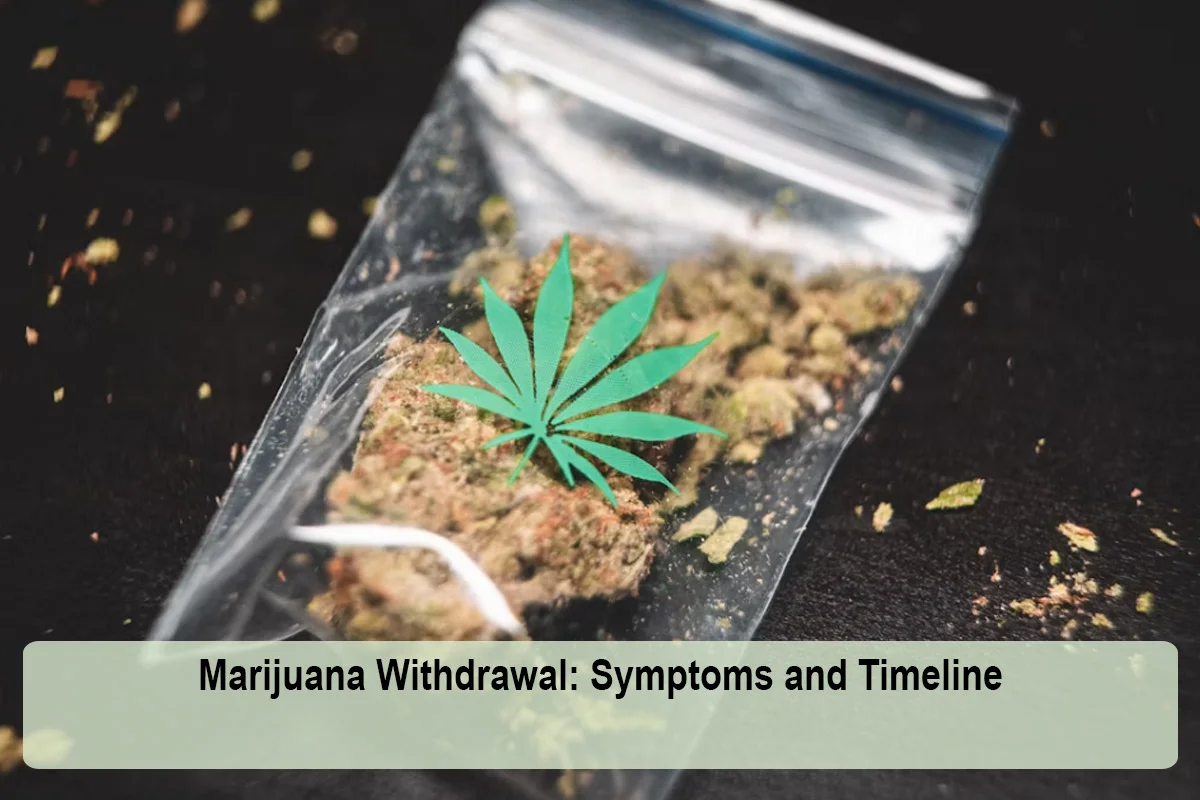
For years, many people believed marijuana could not cause withdrawal. That belief has not held up. Cannabis withdrawal syndrome is now a recognized diagnosis in the DSM-5, and research shows it is common among people who use cannabis regularly. It is not dangerous in the way alcohol or benzodiazepine withdrawal can be, but irritability, insomnia, anxiety, and cravings can make quitting much harder than expected, and they are a major reason people return to use. This guide explains marijuana withdrawal symptoms, the typical timeline, who is most likely to experience it, and what helps.
The most comprehensive estimate comes from a 2020 meta-analysis published in JAMA Network Open, led by Dr. Anees Bahji. The researchers pooled data from 47 studies including more than 23,000 participants and found that about 47 percent of people who used cannabis regularly or dependently experienced cannabis withdrawal syndrome when they cut back or stopped.
The rate varied a great deal by setting. It was about 87 percent among people in inpatient settings, 54 percent among outpatients, and 17 percent among regular users in the general population. Withdrawal was more likely among people who used cannabis daily, people who also used tobacco, and people with other substance use disorders.
In other words, an occasional user is unlikely to notice much when they stop, but a daily user, especially of high-potency products, has a good chance of experiencing meaningful symptoms.
THC, the main intoxicating compound in cannabis, acts on the body's endocannabinoid system, particularly CB1 receptors in the brain. This system helps regulate mood, sleep, appetite, stress response, and memory. With frequent THC exposure, the brain reduces the number and sensitivity of CB1 receptors to compensate. When THC is removed, the endocannabinoid system is temporarily underactive, and the functions it helps regulate, including sleep, appetite, and mood, are disrupted until receptors recover.
Brain imaging research has shown that CB1 receptor availability, reduced in heavy cannabis users, begins to return toward normal within days of stopping and continues recovering over about a month. That timeline matches what many people experience.
Today's cannabis is also much more potent than in past decades. Concentrates, vapes, and high-THC flower deliver far larger doses, which may help explain why withdrawal is more commonly reported now.
According to the DSM-5, cannabis withdrawal syndrome is diagnosed when at least three of the following develop within about a week after stopping heavy, prolonged use:
Sleep disruption is one of the most common and longest-lasting symptoms. THC suppresses REM sleep, the stage in which most dreaming occurs. When cannabis is stopped, REM sleep rebounds, often producing unusually vivid, strange, or disturbing dreams. Many people also have trouble falling and staying asleep. Because many daily users rely on cannabis to sleep, this symptom is a frequent reason for relapse.
Irritability is often the first symptom that friends and family notice. Anxiety, low mood, and restlessness are also common. For people who were using cannabis to manage anxiety or depression, the underlying symptoms may return more strongly at first.
Decreased appetite, nausea, and stomach pain are common in the first week. Some people lose a small amount of weight.
| Time After Last Use | What Many People Experience |
|---|---|
| Days 1 to 3 | Symptoms begin, usually within 24 to 72 hours. Irritability, anxiety, decreased appetite, and trouble sleeping often appear first. |
| Days 2 to 6 | Symptoms typically peak. Mood symptoms, insomnia, cravings, and physical discomfort are usually strongest. |
| Days 7 to 14 | Most symptoms steadily improve and many resolve within one to two weeks. |
| Weeks 2 to 4 and beyond | Sleep problems and vivid dreams can persist for a month or longer. Cravings may come and go, especially in situations linked to past use. |
This timeline is a general guide. Heavier users, people who use concentrates or high-potency vapes, and people with co-occurring mental health conditions may have longer or more intense withdrawal.
THC is stored in fat tissue and released slowly, which is why cannabis can show up on drug tests for weeks in heavy users. This slow release may soften withdrawal somewhat compared with drugs that leave the body quickly, but it does not prevent symptoms. Detection windows and withdrawal timelines are different things. Our guide to how long drugs stay in your system covers cannabis testing.
For most people, no. Cannabis withdrawal is not associated with seizures or life-threatening complications. However, a few situations deserve attention:
Cannabinoid hyperemesis syndrome (CHS) is a condition in some long-term, heavy cannabis users that causes cycles of severe nausea, vomiting, and abdominal pain. A distinctive feature is that many people find temporary relief from hot showers or baths. Unlike withdrawal, CHS typically occurs while a person is still using cannabis, and it resolves only after stopping. CHS can cause dangerous dehydration and kidney problems, so persistent vomiting warrants medical care.
There are currently no FDA-approved medications specifically for cannabis withdrawal or cannabis use disorder, though several medications have been studied and doctors may treat specific symptoms such as insomnia. The best-supported treatments are behavioral: cognitive behavioral therapy, motivational enhancement therapy, and contingency management, which can be used alone or together. Treatment for co-occurring anxiety, depression, or ADHD can also make a significant difference.
Most people with cannabis use disorder can be treated in outpatient settings. Residential treatment may be appropriate for people who have tried to quit repeatedly without success, who have significant co-occurring mental health conditions, or who also use other substances. Our guide to cannabis use disorder explains the diagnosis and treatment options in more detail.
Experiencing withdrawal does not automatically mean someone has cannabis use disorder, but it is one of the DSM-5 criteria for the disorder. Other signs include using more than intended, failed attempts to cut down, spending a lot of time using or recovering, cravings, and continuing despite problems at work, school, or in relationships. If several of these apply, it may be time to get an assessment. Our guide on knowing when you need rehab can help.
Many people now use THCA flower, delta-8 products, and other hemp-derived cannabinoids. When THCA is smoked or vaped, it converts into THC and has the same effects on the brain, so withdrawal from these products follows the same pattern as withdrawal from marijuana. Our guide to THCA vs. THC explains the difference.
If a family member or partner is quitting, expect irritability, restlessness, and poor sleep for the first week or two. These are temporary symptoms of withdrawal, not personal attacks. Offer encouragement, help with routines such as meals and exercise, and avoid lecturing. Recognize progress, and if a return to use happens, treat it as information rather than failure. For teens and young adults, involve a pediatrician or adolescent specialist if use is heavy or mental health symptoms are present.
Marijuana withdrawal is real and common, affecting about 47 percent of regular or dependent users according to a major 2020 meta-analysis. Symptoms usually start within 24 to 72 hours, peak between days 2 and 6, and mostly resolve within one to two weeks, though sleep problems and vivid dreams can last a month or longer. Withdrawal is rarely dangerous, but it can make quitting hard. Sleep routines, exercise, support, and behavioral therapies help, and treatment is available for people who find they cannot stop on their own. You can explore programs through our marijuana addiction treatment page.
This article was reviewed by the RehabsNearMe Editorial Team for accuracy, clarity, and relevance. Information may be sourced from publicly available treatment resources, government agencies, and healthcare references where applicable.
Last reviewed: October 2026
Resources
 Resources
 Resources
 Resources