
 Resources
Teen Destroying Property at Home: Is It a Mental Health Crisis?
Published On 18-10-2026
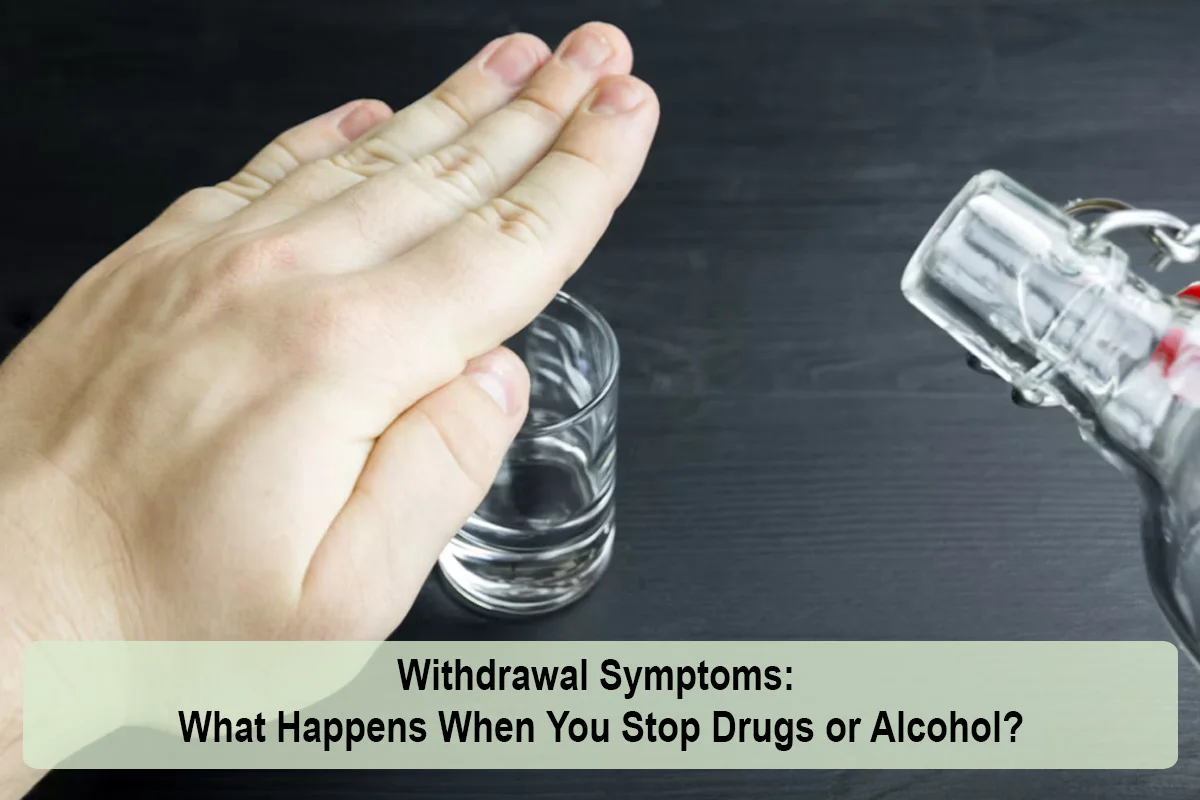
Withdrawal is what happens when the body and brain, after adapting to a substance, suddenly have to function without it. For some substances, withdrawal is uncomfortable but not dangerous. For others, it can cause seizures, delirium, or death. Knowing the difference is one of the most important pieces of information anyone can have before trying to stop drinking or using drugs. This guide explains why withdrawal happens, compares withdrawal across the most common substances, describes which withdrawals require medical care, and explains what happens in the weeks and months afterward.
The brain constantly works to keep itself in balance. When a substance is used regularly, the brain adapts to its presence. A depressant like alcohol enhances the calming neurotransmitter GABA and dampens the excitatory neurotransmitter glutamate, so the brain responds by turning GABA activity down and glutamate activity up. A stimulant like cocaine floods the brain with dopamine, so the brain reduces its own dopamine signaling. Opioids suppress certain nerve activity, so the brain increases it.
When the substance is suddenly removed, those adaptations are left uncovered. The result is often a rebound in the opposite direction of the drug's effects:
This is a simple way to predict withdrawal symptoms: they tend to look like the opposite of what the drug does.
Physical dependence means the body has adapted to a substance and will have withdrawal symptoms if it stops. Addiction, clinically called substance use disorder, involves compulsive use, loss of control, and continued use despite harm. The two often overlap, but not always. Someone taking a prescribed medication exactly as directed can become physically dependent without being addicted. Someone can also have an addiction to a substance, such as a stimulant, that produces mostly psychological rather than physical withdrawal. Both deserve care, and neither is a moral failing.
Timelines vary with the specific drug, dose, duration of use, and individual health. The table below shows general patterns.
| Substance | Typical Onset After Last Use | Peak | Acute Duration | Can It Be Life-Threatening? |
|---|---|---|---|---|
| Alcohol | 6 to 24 hours | 24 to 72 hours | About 5 to 7 days | Yes. Seizures and delirium tremens |
| Benzodiazepines | 1 to 4 days, depending on the drug | Varies | Weeks; sometimes months | Yes. Seizures |
| Barbiturates and GHB | Hours to a few days | Varies | Days to weeks | Yes. Seizures and delirium |
| Short-acting opioids (heroin, fentanyl, oxycodone) | 8 to 24 hours; can be later with fentanyl | Days 2 to 3 | About 5 to 10 days | Rarely directly, but dehydration and overdose after loss of tolerance are major risks |
| Methadone | 1 to 3 days | Varies | Often several weeks | Rarely directly; overdose risk afterward |
| Cocaine and methamphetamine | Hours | First few days | 1 to several weeks | Not usually physically; severe depression and suicide risk |
| Prescription stimulants (Adderall) | Hours to a day | First few days | About 1 to 2 weeks | Not usually physically; depression risk |
| Cannabis | 24 to 72 hours | Days 2 to 6 | About 1 to 2 weeks; sleep problems longer | No |
| Nicotine | Hours | First few days | About 2 to 4 weeks | No |
| Gabapentin and pregabalin | 1 to 2 days | Varies | Days to weeks | Seizures possible after heavy use |
Alcohol withdrawal is among the most dangerous. Mild symptoms include shakiness, sweating, anxiety, nausea, and insomnia. More severe withdrawal can cause hallucinations, seizures, and delirium tremens, a medical emergency involving confusion, agitation, fever, and unstable heart rate and blood pressure. People who have had withdrawal seizures or delirium tremens before are at higher risk, and repeated withdrawals can make later episodes worse, a pattern known as kindling. Our guide on why alcohol withdrawal can require medical supervision explains how it is monitored and treated.
Stopping benzodiazepines such as alprazolam (Xanax), lorazepam (Ativan), clonazepam (Klonopin), or diazepam (Valium) suddenly after regular use can cause severe anxiety, insomnia, tremor, perceptual disturbances, and seizures. Withdrawal from short-acting benzodiazepines tends to start sooner and be more intense. The safest approach is a slow, medically supervised taper, which may take weeks to months.
Barbiturates, GHB, and high doses of some other sedatives can produce withdrawal similar to alcohol and benzodiazepines, including seizures and delirium. Heavy, long-term use of gabapentinoids such as pregabalin (Lyrica) can also cause significant withdrawal. Our guide to Lyrica withdrawal covers this in detail. Certain muscle relaxers, especially carisoprodol and baclofen, also carry withdrawal risks, as described in our guide to whether muscle relaxers are addictive.
Opioid withdrawal is intensely uncomfortable, with symptoms such as muscle aches, sweating, runny nose, yawning, goosebumps, diarrhea, vomiting, anxiety, and severe cravings. It is rarely directly life-threatening in otherwise healthy adults, but it carries two serious dangers. First, vomiting and diarrhea can cause dangerous dehydration and electrolyte problems. Second, and most important, tolerance drops quickly after withdrawal. A person who returns to their previous dose can overdose. That risk is especially high in today's fentanyl-contaminated drug supply.
For this reason, medications such as buprenorphine and methadone are often the safest path, either to ease withdrawal or as ongoing treatment. Our article on what happens during opioid detox covers the process.
Withdrawal from cocaine, methamphetamine, and prescription stimulants rarely causes dangerous physical symptoms. Instead, it typically brings a crash of exhaustion, long sleep, increased appetite, low motivation, and depression, followed by weeks of cravings. Severe depression and suicidal thoughts can occur and should always be taken seriously. Our guide to cocaine withdrawal explains the typical phases.
Cannabis withdrawal is real and common among regular users. It typically involves irritability, anxiety, trouble sleeping, vivid dreams, decreased appetite, and restlessness, and is not dangerous. Our guide to marijuana withdrawal covers the timeline. Nicotine withdrawal brings irritability, cravings, difficulty concentrating, and increased appetite. Neither is physically dangerous, but both can make quitting hard, and effective treatments exist.
You should get medical help before stopping, rather than trying to quit cold turkey, if:
Call 911 or go to an emergency department immediately for seizures, confusion, hallucinations, chest pain, severe vomiting or dehydration, or thoughts of self-harm. For a mental health crisis, you can also call or text 988.
Withdrawal management, often called detox, ranges from outpatient care with regular check-ins to round-the-clock medical supervision in a hospital. The right setting depends on the substance and the person's risk. Medical teams use standardized scales to monitor symptoms and medications to keep people safe and comfortable, such as benzodiazepines or phenobarbital for alcohol withdrawal, buprenorphine or methadone for opioid withdrawal, and supportive medications for nausea, sleep, and pain. Our comparison of home detox and medical detox explains the trade-offs, and our guide on what to expect in drug detox walks through the process.
Detox manages withdrawal but does not treat addiction. The most important part of detox is the plan for what comes next, whether residential treatment, outpatient care, or ongoing medication.
Some people experience lingering symptoms for weeks or months after acute withdrawal ends. This is often called post-acute withdrawal syndrome, or PAWS. Symptoms can include mood swings, anxiety, low energy, poor concentration, sleep problems, and cravings that come and go in waves, sometimes triggered by stress. PAWS is not a formal diagnosis, but the experience is common, particularly after long-term alcohol, benzodiazepine, or opioid use. It usually improves gradually with time, sleep, exercise, nutrition, and continued support. Understanding that these symptoms are expected can prevent people from concluding that recovery is not working. Our article on what happens after opioid detox discusses this phase.
For some substances, particularly benzodiazepines, other sedatives, and certain prescription medications, gradually reducing the dose is safer than stopping all at once. Tapering lets the brain readjust more slowly and reduces the severity of withdrawal. Tapering should be planned with a clinician, since self-directed tapers often move too fast or stall. For alcohol, tapering at home is generally not recommended for heavy drinkers. Medically managed withdrawal is safer.
Withdrawal happens because the brain adapts to substances and has to readjust when they are removed. Its symptoms usually mirror the opposite of the drug's effects. Withdrawal from alcohol, benzodiazepines, and other sedatives can be life-threatening and should be medically managed. Opioid withdrawal is rarely fatal itself but carries a high overdose risk afterward, which medication can reduce. Stimulant withdrawal is mainly psychological but can involve serious depression. Cannabis and nicotine withdrawal are uncomfortable but not dangerous. Whatever the substance, getting medical guidance before stopping, and having a plan for after detox, makes recovery safer and more likely to last.
This article was reviewed by the RehabsNearMe Editorial Team for accuracy, clarity, and relevance. Information may be sourced from publicly available treatment resources, government agencies, and healthcare references where applicable.
Last reviewed: October 2026
Resources
 Resources
 Resources
 Resources