
 Resources
15 Art Therapy Ideas for Teens: Activities for Anxiety, Anger, and Self-Esteem
Published On 15-10-2026
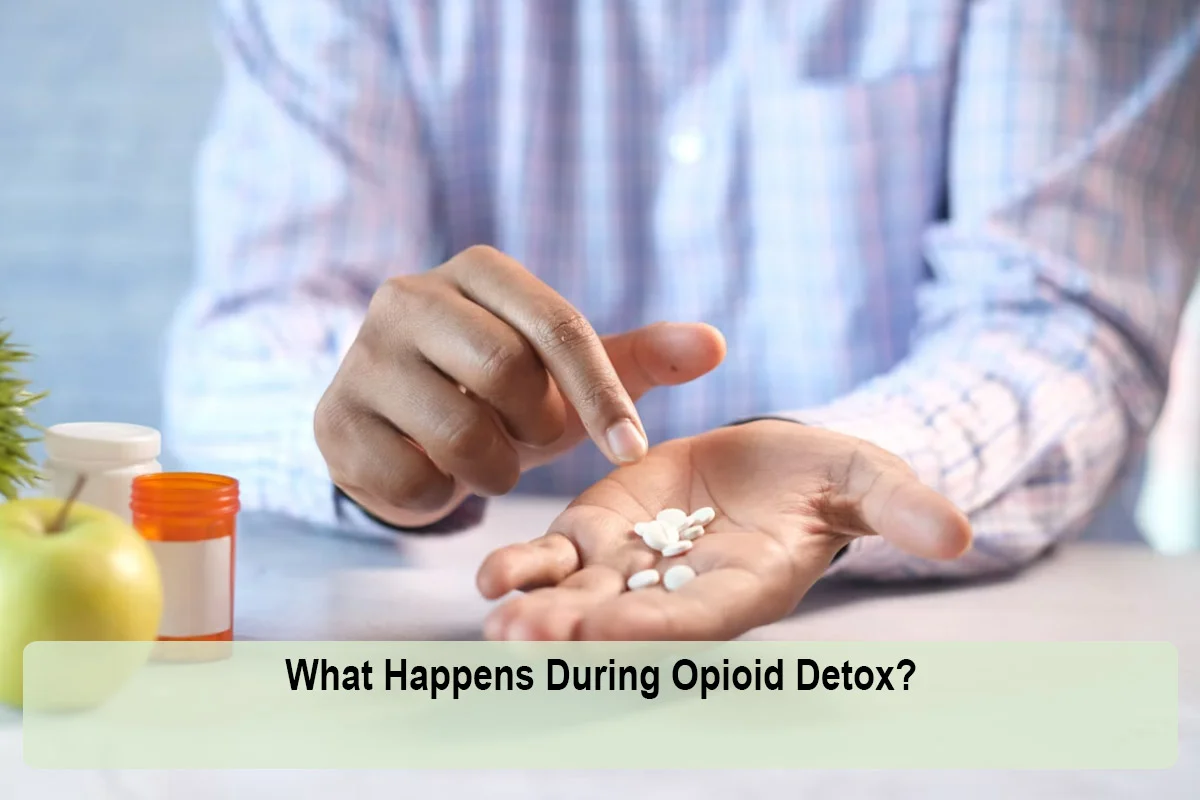
Opioid detox has a reputation for being the most dangerous part of getting sober, largely because it is the most physically miserable. That reputation is misleading in a specific, important way: opioid withdrawal itself is rarely life-threatening for a physically healthy adult, unlike alcohol or benzodiazepine withdrawal, which can kill. The real danger in opioid detox sits somewhere else entirely, and understanding where actually changes how people should approach it.
The timeline depends heavily on which opioid was being used, because shorter-acting opioids like heroin or oxycodone clear the body faster than longer-acting ones like methadone. For a short-acting opioid, symptoms typically begin within 6 to 12 hours of the last use, peak around 48 to 72 hours, and substantially resolve within about a week, though some symptoms can linger longer. For methadone specifically, onset is delayed, often 24 to 36 hours after the last dose, given its long half-life, with a correspondingly extended and sometimes more drawn-out withdrawal course.
The physical symptoms themselves, while rarely dangerous in isolation, are genuinely severe: intense muscle and bone aches, profuse sweating, chills, nausea and vomiting, diarrhea, insomnia, and a level of psychological distress, anxiety and restlessness in particular, that most people underestimate until they experience it. This severity is precisely why opioid withdrawal has such a strong reputation for being unbearable, and why fear of withdrawal itself is one of the most commonly cited reasons people delay seeking treatment or return to use even when they want to stop. Understanding that this severity, while real, is generally not the same as danger is an important distinction worth holding onto.
Clinicians measure withdrawal severity using the Clinical Opiate Withdrawal Scale (COWS), an 11-item tool assessing symptoms including resting pulse, sweating, restlessness, pupil size, bone or joint aches, gastrointestinal upset, tremor, and anxiety, each scored for severity and summed into a total. A COWS score under 5 indicates no meaningful withdrawal, 5 to 12 is mild, 13 to 24 is moderate, 25 to 36 is moderately severe, and above 36 is severe. This scale is not just an academic exercise; it directly drives clinical decisions about when and how to start medication.
This is the part of opioid detox that surprises people who expect medication to simply prevent withdrawal from happening at all. Buprenorphine, one of the primary medications used in opioid detox and ongoing MAT, cannot safely be started while a significant amount of full opioid agonist is still active in a person's system. Starting it too early triggers something called precipitated withdrawal, a rapid, unusually intense withdrawal reaction caused by buprenorphine displacing the full opioid from receptors faster than the body can adjust. Clinical guidance generally calls for a COWS score of at least 8, and ideally higher, before starting buprenorphine specifically to avoid this reaction, meaning a person often needs to tolerate a period of active, uncomfortable withdrawal before medication can safely begin.
This is precisely why medically supervised detox matters so much for opioids specifically. It is not simply about comfort, though comfort medications for nausea, diarrhea, and muscle aches genuinely help. It is about correctly timing buprenorphine induction using an objective tool like COWS, something that is difficult to judge accurately without clinical training, and about using an alternative strategy called micro-induction, a slower, overlapping transition onto buprenorphine, for patients where a standard induction is not appropriate.
For patients already on methadone who wish to switch to buprenorphine, this timing challenge is especially delicate, since methadone's long half-life means a much longer wait is often needed before a safe COWS threshold is reached, sometimes requiring several days of tapering under close supervision before induction can begin. This is one of several reasons a switch between opioid medications should always be managed by a clinician experienced in this specific transition rather than attempted independently.
| Stage | What Happens |
|---|---|
| Assessment | Clinical staff assess substance use history, last use, co-occurring conditions, and calculate an initial COWS score |
| Early withdrawal | As natural withdrawal symptoms begin and intensify, comfort medications (for nausea, diarrhea, sleep, anxiety) are used to manage symptoms while COWS is monitored |
| Medication induction | Once COWS reaches an appropriate threshold, buprenorphine or another medication is started, with dosing adjusted based on ongoing COWS reassessment |
| Stabilization | Medication dosing is titrated over the following days until symptoms are well controlled and the person is medically stable |
| Transition planning | Before discharge, a plan for continuing medication and moving into the next level of care is established, ideally with an appointment already scheduled |
Here is the counterintuitive core of opioid detox that deserves far more attention than it typically gets: detox itself is rarely the fatal moment. The fatal moment, when it happens, is usually afterward. Opioid tolerance drops significantly within days of stopping use, meaning a dose that was previously manageable for someone actively using becomes potentially lethal after even a short period of abstinence. This is a well-documented and major driver of overdose deaths following detox, incarceration, or any period of enforced abstinence, precisely because the body's tolerance has reset while a person's expectation of how much they can handle has not. This is one of the clearest, most important reasons continuing medication after detox, rather than treating detox as a standalone endpoint, saves lives. Our explainer on medication-assisted treatment covers what that ongoing medication relationship looks like, and our guide on when to seek treatment for opioid use covers the broader urgency picture given today's fentanyl-adulterated drug supply.
Consider someone entering detox for a heroin use disorder. In the first 12 hours, they begin experiencing restlessness, sweating, and anxiety as their COWS score climbs. Staff manage early symptoms with comfort medications while monitoring closely. By hour 18, their COWS score has reached 10, moderate withdrawal, and buprenorphine induction begins, timed specifically to avoid precipitated withdrawal. Over the next 48 hours, dosing is adjusted based on repeated COWS assessments until symptoms are well controlled. By day four or five, they are medically stable. The critical next step, and the one most likely to determine whether this detox saves their life or simply delays a future overdose, is whether they continue buprenorphine and move into a structured next level of care, or leave with no medication and no follow-up plan, re-entering an environment with a fentanyl-adulterated supply at exactly the moment their tolerance has dropped.
Detox resolves the acute physical withdrawal, but it does not, on its own, treat opioid use disorder as a chronic condition. Research consistently shows that detox without a transition into ongoing treatment, whether that is continued medication, counseling, or both, is associated with high rates of return to use, precisely because the underlying condition that drove opioid use in the first place has not been addressed, only the acute withdrawal has. This distinction matters enormously for how detox should be evaluated as a choice: a program that manages withdrawal symptoms well but sends someone home with no medication continuation plan and no scheduled follow-up has completed only the first, and arguably easier, half of the task. Our guide comparing home detox to medical detox covers why attempting this process without medical supervision carries its own serious risks, and our overview of building a proper aftercare plan is the natural next step once detox itself is complete.
It is also reasonable to ask directly what the program's philosophy is on medication continuation after detox, since this varies more than people expect. Some programs are built around a short-term detox-and-discharge model with limited emphasis on what happens next, while others treat detox as the first stage of a longer, integrated MAT relationship that continues well beyond the initial stabilization period. Given how strongly post-detox overdose risk is tied to lost tolerance, a program's answer to this specific question is one of the more meaningful indicators of how seriously it takes long-term safety, not just short-term symptom management.
This article was reviewed by the RehabsNearMe Editorial Team for accuracy, clarity, and relevance. Information may be sourced from publicly available treatment resources, government agencies, and healthcare references where applicable.
Last reviewed: September 2026
Resources
 Resources
 Resources
 Resources