
 Resources
15 Art Therapy Ideas for Teens: Activities for Anxiety, Anger, and Self-Esteem
Published On 15-10-2026
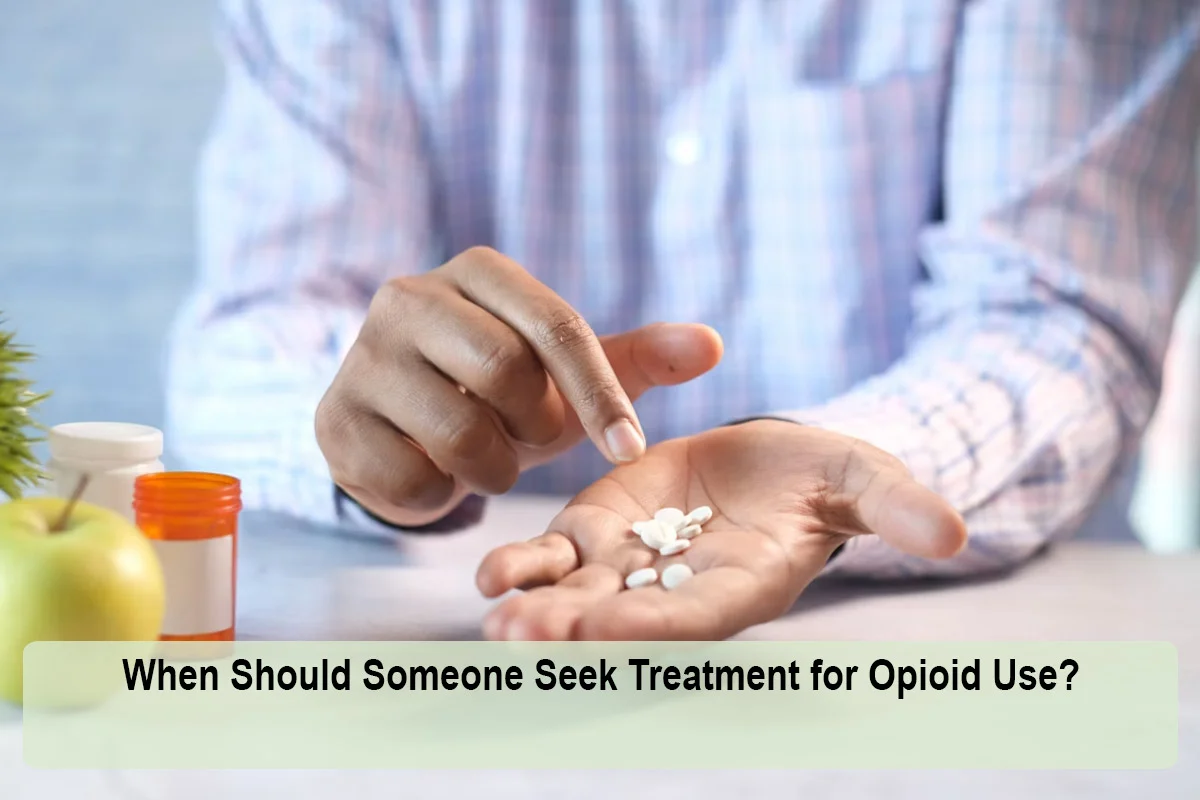
Opioid use is the one area of addiction where "wait and see" carries a different weight than it does for almost any other substance. That is not an exaggeration for effect. It reflects a specific, verifiable change in the drug supply itself, and it is the reason clinicians increasingly frame the timing question around risk of death, not just readiness for change.
The good news first: overdose deaths have been falling. Provisional data from the CDC's National Center for Health Statistics shows an estimated 69,973 drug overdose deaths in the United States during 2025, a decline of almost 14 percent from 81,313 the year before, marking a third consecutive year of decline from the 2022 to 2023 peak of roughly 110,000 to 112,000 annual deaths. Opioid-involved deaths specifically fell from an estimated 55,296 in 2024 to 44,564 in 2025.
The harder truth sits right next to that good news. Opioids still account for the majority of fatal overdoses nationally, and illicitly manufactured fentanyl remains the dominant driver of that toll. Unlike heroin or diverted prescription pills a decade ago, today's illicit opioid supply is largely adulterated with fentanyl and, increasingly, other potent additives, often without the user's knowledge. A person using what they believe is a familiar dose of a familiar substance can be using something meaningfully more dangerous without any way to tell by sight, taste, or smell alone. This is why "I'll try to cut back on my own first" carries a different risk calculation for opioids than it does for alcohol or cannabis. The margin for error has narrowed considerably, even as national trends improve.
Clinically, opioid use disorder (OUD) is diagnosed using the same DSM-5 framework applied to other substance use disorders, adapted to opioid-specific patterns. Signs clinicians and the CDC point to include: using opioids in larger amounts or for longer than intended, repeated unsuccessful attempts to cut down, spending significant time obtaining or using opioids, cravings, missing work or family obligations because of use, continuing use despite it causing or worsening physical or emotional problems, needing progressively more of the drug for the same effect, and experiencing withdrawal symptoms when stopping or cutting back. You do not need every item on this list to warrant a conversation with a healthcare provider. A single overdose, or ongoing worry that one might happen, is itself a reason to seek an evaluation, independent of how many other criteria are present.
It is worth distinguishing between physical dependence and a diagnosable use disorder, since the two are often conflated. Someone taking prescribed opioids exactly as directed for a legitimate medical condition can develop physical tolerance and even withdrawal symptoms if the medication is stopped abruptly, without that alone indicating a use disorder. What shifts the picture toward OUD is the behavioral and functional pattern: using more than prescribed, seeking early refills, using opioids obtained from multiple sources, or continuing use despite it clearly interfering with work, relationships, or safety. A physician who prescribed the original medication is often the most useful first person to talk to, since they can help distinguish expected physical dependence from an emerging disorder and adjust the treatment plan accordingly.
Research on people who have already survived one overdose consistently shows they face elevated risk of a subsequent one. That single data point reframes how urgently a first overdose, even a nonfatal one that gets treated in an emergency department and never discussed again, should be taken as a trigger for a treatment conversation, not a one-time scare to move past quietly. According to the CDC, an estimated 54.6 million Americans needed substance use disorder treatment in a recent measured year, yet only about 13.1 million actually received it, a treatment gap that is particularly consequential for opioid use disorder given the acute lethality of the current drug supply.
One of the clearest, most consistently supported findings in addiction medicine is that medications for opioid use disorder (MOUD), specifically buprenorphine, methadone, and naltrexone, meaningfully reduce overdose death risk compared to non-medication approaches. This is not a fringe or optional add-on; the CDC explicitly recommends evidence-based medication treatment as standard care for OUD. The practical implication for timing is direct: every month spent trying to manage opioid use without medication, when medication access is available, is a month of elevated risk that does not need to be accepted. This is a meaningfully different situation than, say, waiting a few extra weeks to start therapy for a non-substance-related concern.
Deciding to enter formal treatment and reducing immediate risk are not the same step, and you do not have to wait for the first to act on the second. Harm reduction measures the CDC specifically recommends include:
These steps are not a substitute for treatment. They exist because research shows people who survive an overdose are more likely to survive a subsequent high-risk moment long enough to eventually reach treatment, and every survived moment is another chance at that outcome.
Given the acute lethality of the current fentanyl-adulterated supply, family and friends of someone using opioids are in a genuinely different position than family members concerned about most other substances. Learning to recognize the signs of an opioid overdose (extremely slow or stopped breathing, blue-tinged lips or fingertips, unresponsiveness, pinpoint pupils) and keeping naloxone on hand is a life-saving step that does not require the person using opioids to be ready for treatment first. The CDC specifically recommends expanding naloxone access to family members and neighbors, not just first responders and service providers, precisely because most overdoses happen in the presence of someone who could intervene if equipped to do so. This is a different, more urgent version of the support role families play with other substances: it is not a substitute for helping someone toward treatment, but it can be the difference between someone surviving long enough to get there.
Consider someone who has been prescribed opioids for a genuine injury, has gradually noticed they are taking more than prescribed to get through the day, and has tried twice, unsuccessfully, to simply stop. That pattern alone, tolerance plus failed self-directed attempts to cut down, already meets enough DSM-5 criteria to warrant a formal evaluation, well before the person has reached what they might personally consider a crisis point. Waiting for a more dramatic signal, a lost job, a legal consequence, an overdose, is waiting for unnecessary risk to accumulate rather than acting on the clinical signal that is already present.
Seeking treatment does not mean committing immediately to a specific program before you know what you need. A clinical evaluation, whether through a primary care doctor, an addiction medicine specialist, or a treatment center's own intake process, typically assesses withdrawal risk, co-occurring physical or mental health conditions, and prior treatment history to recommend an appropriate level of care and, where appropriate, an MOUD plan. Telehealth options have also expanded access to this first step considerably; our guide to telehealth addiction treatment covers how virtual assessments and even ongoing MOUD prescribing now work in many states.
National overdose trends have been improving, but that improvement is not evenly distributed. According to CDC provisional data, most states saw substantial declines in overdose deaths through 2025, some by 25 percent or more, while a smaller number of states, including Arizona, New Mexico, and Colorado, saw increases of 10 percent or more over the same period. This matters practically because it means the urgency of seeking treatment quickly can vary meaningfully depending on regional drug supply trends, local treatment capacity, and how recently a given area's supply has shifted toward more dangerous adulterants. If you live in an area where local overdose trends are moving in the wrong direction, that is additional reason not to delay seeking an evaluation, rather than assuming national improvement automatically applies to your specific community.
If medication is part of the picture your evaluation points to, our explainer on medication-assisted treatment walks through how buprenorphine, methadone, and naltrexone actually work and what starting them looks like. For a deeper look at harm reduction strategies specifically, see our guide to harm reduction, and you can browse opioid-specific treatment programs once you are ready to compare options.
This article was reviewed by the RehabsNearMe Editorial Team for accuracy, clarity, and relevance. Information may be sourced from publicly available treatment resources, government agencies, and healthcare references where applicable.
Last reviewed: September 2026
Resources
 Resources
 Resources
 Resources