
 Resources
Signs of OCD in Teens: What Parents Should Look For
Published On 02-11-2026
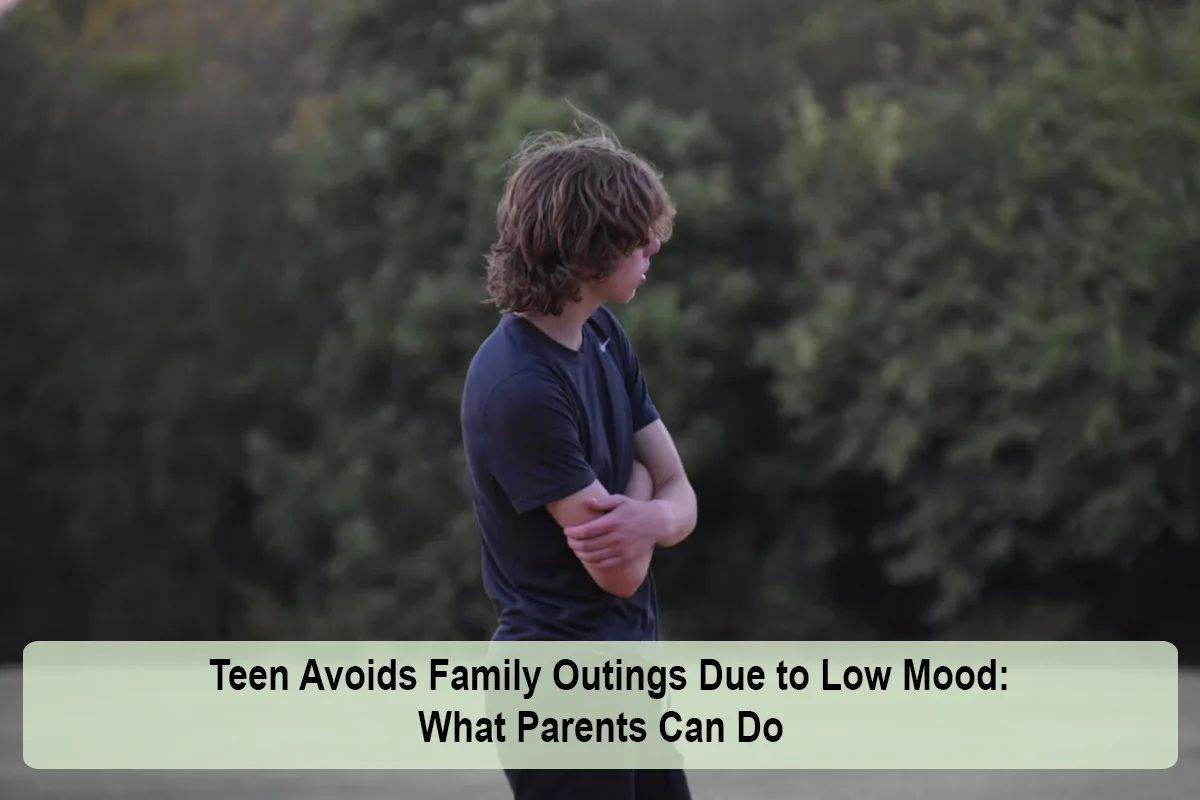
The family is heading out for pizza, a hike or a visit to the grandparents, and your teen says, "I'll just stay home." It used to happen once in a while. Now it happens almost every time. They do not seem angry; they just seem tired, flat or uninterested. You are torn between respecting their independence and worrying that something is wrong. When a teen avoids family outings because of low mood, it can be an early sign of depression, but it can also be part of normal adolescent growing up. Knowing the difference helps you respond in the right way.
This guide explains why teens pull back from family outings, how to tell normal independence from low mood or depression, how to stay connected without forcing it, and when to get help. For general refusal to go places with family, our article on teen refuses to go anywhere with family covers broader reasons. This guide focuses on the role of low mood. If your teen talks about hopelessness or suicide, call or text the 988 Suicide and Crisis Lifeline.
Spending less time with family and more with friends is a normal part of adolescence. Teens are building their own identity, and saying no to family plans can be part of that.
After a full day of school, activities and constant social media, some teens have little energy left. Family outings can feel like one more performance.
Staying home in a familiar space, with their phone or games, takes less effort than getting dressed, traveling and making conversation.
When a teen is feeling down, activities that used to be fun can feel pointless. The NIMH guide to teen depression lists losing interest in activities you used to enjoy, withdrawing from friends and family, and fatigue among the signs of depression.
If outings often include arguments, criticism or tension between family members, a teen may stay home to avoid it.
Very common. In the CDC's 2023 Youth Risk Behavior Survey, 39.7% of high school students reported feeling so sad or hopeless for two weeks or more that they stopped doing some usual activities, including 52.6% of girls and 27.7% of boys. NIMH reports that 20.1% of adolescents ages 12 to 17 had a major depressive episode in 2021. Pulling away from family time is one of the most visible ways that low mood shows up at home.
Avoiding family outings is more likely to be normal independence when:
| Likely normal independence | Possible low mood or depression |
|---|---|
| Skips family outings to see friends | Skips family outings and also avoids friends |
| Energetic about their own plans | Tired, flat or uninterested in almost everything |
| Sleep and appetite normal | Sleeping much more or less, eating changes |
| Grades steady | Grades slipping, missing assignments |
| Mood generally okay | Sad, irritable, hopeless or empty most days |
| Change is gradual and fits their age | Change is sudden or a clear shift from how they used to be |
If several items in the right column fit, and they have lasted two weeks or more, talk with a health care provider. Related guides: teen depression and social withdrawal, teen anhedonia and dysthymia in teens.
Connection does not have to happen at a restaurant or theme park. Movie nights, cooking together, a board game or simply hanging out in the same room can feel more manageable for a low-energy teen.
Offer options: join for dinner but skip the shopping, come for the first hour, or ride along and stay in the car with headphones. Partial participation keeps the door open.
A short walk, a drive for ice cream or a quick errand may work better than an all-day trip.
Ask your teen to choose the restaurant, the music or the activity. Having a say increases buy-in.
If a struggling teen comes along but is quiet, that is still effort. Thank them for coming rather than asking why they are not having more fun.
Short daily check-ins, a text during the day or a few minutes before bed can matter as much as big outings.
If outings tend to turn into arguments or criticism, address those patterns. Teens are more likely to join when time together feels safe and relaxed.
| Try saying | Avoid saying |
|---|---|
| "We'd love to have you. Want to come for just part of it?" | "You're coming whether you like it or not." |
| "You've seemed down lately. How are you really doing?" | "You never want to do anything with us anymore." |
| "No pressure. Want to pick something easy we could do at home?" | "You're so ungrateful." |
| "I'm glad you came, even if you're tired." | "Why can't you just have fun?" |
Siblings can be a bridge. A younger brother asking to play a game or an older sister inviting a teen along for coffee can feel less pressured than a parent's invitation. Encourage siblings to keep including their brother or sister without nagging, and give them space to talk about their own feelings, since a withdrawn sibling can affect the whole family.
| Teen's energy level | Activity ideas |
|---|---|
| Very low | Watching a show together, ordering takeout, sitting outside, listening to music in the car |
| Low | Short walk with the dog, baking, a quick drive for a treat, a simple board or card game |
| Moderate | A teen-chosen restaurant, mini golf, a bookstore or thrift store trip, a short bike ride |
| Higher | A hike, a concert, a day trip or a sports event the teen picks |
Match the activity to the energy your teen has that day, not the energy you wish they had.
Liam, 15, had always loved Sunday hikes with his dad. Over a few months he started saying he was too tired, then stopped coming altogether. He was sleeping until noon on weekends, his grades had slipped and he no longer met up with friends. His parents first thought he was just growing up, but the change in sleep, grades and friendships worried them. His dad invited him for a short drive instead, and in the car Liam admitted he had been feeling "like nothing matters." A pediatrician referred him to a therapist, who diagnosed depression. With therapy and small, scheduled activities, including 20-minute walks with his dad, Liam slowly began joining family time again.
Seek help if your teen's low mood and withdrawal last more than two weeks, involve friends as well as family, come with changes in sleep, appetite or grades, or include hopelessness, self-harm or substance use. Cognitive behavioral therapy, interpersonal therapy and family therapy can help restore both mood and family connection. Many programs also emphasize family involvement. If outpatient care is not enough, an intensive outpatient program or residential treatment for depression may help. You can browse programs for adolescents or teen programs such as Polaris Teen Center and Hillcrest Adolescent Treatment Center; confirm ages and services. You can also search FindTreatment.gov or call the SAMHSA National Helpline at 1-800-662-4357.
It can hurt when a teen keeps saying no to time together. Try not to take it personally, especially if low mood is involved; withdrawal is usually about how your teen feels inside, not about how they feel about you. Keep planning family time for yourself and other children, so the family does not revolve around one teen's mood. Talk with your partner, friends or a therapist about your own worries. A steady, warm parent who keeps inviting without pressure is one of the most protective factors a struggling teen can have.
If withdrawal at home is matched by changes at school, such as falling grades, skipped classes or isolation at lunch, reach out to the school counselor. Teachers may notice things you cannot see, and the counselor can check in with your teen and help coordinate support. See teen sits alone at lunch if peer isolation is part of the picture.
When a teen avoids family outings, it may be healthy independence, or it may be low mood. Look at the bigger picture: friendships, sleep, appetite, grades and overall mood. Keep the door open with low-pressure, partial and teen-chosen activities, praise effort rather than enthusiasm, and reduce conflict. If withdrawal spreads and lasts, get an evaluation. Staying gently connected during this time tells your teen that family is a safe place to come back to.
This article was reviewed by the RehabsNearMe Editorial Team for accuracy, clarity, and relevance. Information may be sourced from publicly available treatment resources, government agencies, and healthcare references where applicable.
Last reviewed: November 2026
Resources
 Resources
 Resources
 Resources