
 Resources
Teen Thinks Therapy Doesn't Work? How Parents Can Help
Published On 31-10-2026
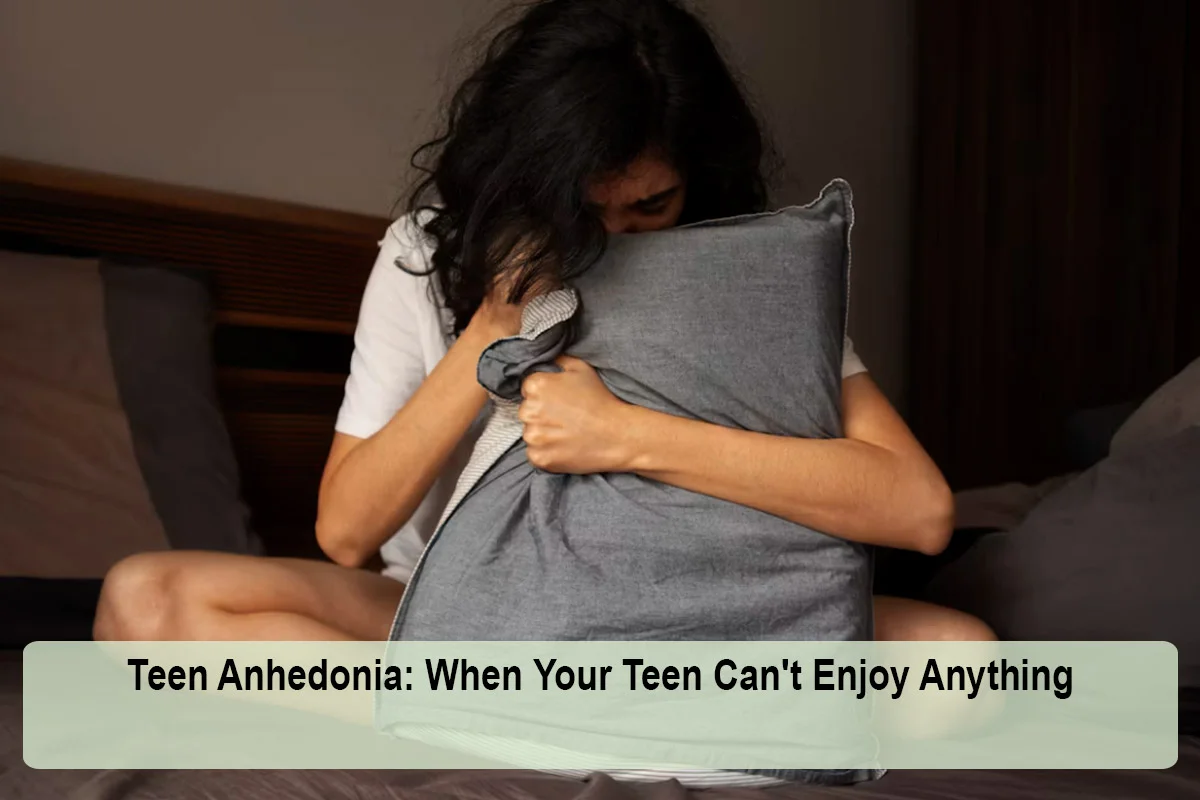
Your teen used to light up about things. Basketball, drawing, a favorite show, pizza night, seeing friends. Now nothing seems to land. You plan a fun weekend and they shrug. Friends text and they leave it unanswered. Asked what they would enjoy, they say, "I don't know. Nothing really." They are not necessarily crying or angry. They just seem unable to feel good. That inability to feel pleasure has a name: anhedonia. Teen anhedonia is one of the core signs of depression, and it is often missed because it looks like boredom, laziness or a teen simply growing out of things.
This guide explains what teen anhedonia is, how it differs from normal teenage boredom, what causes it, and how parents can help a teen rediscover enjoyment. If your teen talks about wanting to die, call or text the 988 Suicide and Crisis Lifeline or call 911.
Anhedonia means a reduced ability to feel interest or pleasure in things that are normally enjoyable. It is not a diagnosis on its own but a symptom that shows up in several conditions, most often depression. The National Institute of Mental Health's guide to teen depression lists losing interest in activities you used to enjoy as a key sign, along with feeling sad, empty or worthless, irritability, withdrawing from friends and family, dropping grades, and changes in sleep or appetite.
Clinicians often describe a few different flavors of anhedonia:
Knowing which type fits your teen can help a therapist target treatment.
Teens often outgrow old hobbies and say things are "boring." That is normal. The difference with anhedonia is that nothing replaces what was lost.
| Normal teen boredom or changing interests | Possible teen anhedonia |
|---|---|
| Drops one hobby but picks up new ones | Drops activities and nothing replaces them |
| Still enjoys friends, music or games | Little enjoyment in anything, including friends |
| Bored in specific situations like class or chores | Flat across almost every situation |
| Can still get excited about plans | Cannot look forward to anything |
| Mood is generally okay | Comes with sadness, irritability, fatigue or hopelessness |
| Comes and goes | Lasts weeks or longer |
If your teen recently quit things they loved, our article on teens who quit activities they once loved covers that specific pattern. If your teen seems to feel nothing at all, good or bad, see our guide to teen emotional numbness.
There are no national figures for anhedonia alone, but the conditions that cause it are common. NIMH reports that 20.1% of US adolescents ages 12 to 17 had a major depressive episode in 2021, including 29.2% of girls. In the CDC's 2023 Youth Risk Behavior Survey, 39.7% of high school students said they had felt so sad or hopeless for at least two weeks that they stopped doing some usual activities. That last phrase, stopping usual activities, describes exactly the kind of loss of engagement that anhedonia creates.
Major depression is the most common cause. Loss of interest or pleasure is one of the two core symptoms clinicians look for when diagnosing it. Anhedonia can also be part of dysthymia in teens, a longer-lasting, lower-grade form of depression.
The NIMH guide on helping children cope with traumatic events lists losing interest in activities that used to be enjoyed as a possible reaction after trauma, along with emotional numbness. Long-term stress, such as ongoing family conflict or bullying, can wear down a teen's capacity for pleasure.
Regular use of alcohol, cannabis, nicotine or other drugs can blunt the brain's natural reward system, so ordinary activities feel dull by comparison. Withdrawal can also bring low mood and flatness. If substances are involved, see our guides on teen cannabis use and marijuana addiction treatment.
Only about 24% of high schoolers get eight or more hours of sleep on school nights, according to CDC data. Chronic sleep loss can flatten mood and motivation, making it harder to enjoy anything.
Constant fast rewards from scrolling and gaming can make slower activities feel less interesting. This is not the whole story, but it can be one contributing factor. See our article on gaming and internet addiction.
Anhedonia can also appear with anxiety, bipolar depression, medical conditions such as thyroid problems, and, rarely, early signs of psychotic disorders. A doctor can sort through these possibilities.
Anhedonia can look different depending on the teen. Girls report depression at higher rates; NIMH found that 29.2% of adolescent girls had a major depressive episode in 2021, compared with 11.5% of boys. Girls with anhedonia may describe feeling empty or say nothing matters. Boys are often less likely to put feelings into words. Their anhedonia may show up as quitting sports, gaming for hours without seeming to enjoy it, irritability or saying everything is "pointless." Do not wait for your son to say he feels sad. Watch for the loss of enjoyment itself.
Teachers and counselors often see changes before parents do. With your teen's knowledge, let the school counselor know that your teen has been struggling to enjoy or engage in things. Ask whether teachers have noticed changes in participation, friendships or effort. If depression is diagnosed, a temporary plan with extended deadlines or a check-in person can reduce pressure while treatment starts working. Keep your teen involved in these conversations so they do not feel talked about behind their back.
Teen anhedonia becomes more urgent when it comes with:
If you notice any of these, contact a mental health professional right away. If your teen is in danger, call or text 988 or call 911.
Teens with anhedonia often feel guilty that they cannot enjoy things, especially when parents try hard to cheer them up. Avoid pressure and focus on connection.
| Try saying | Avoid saying |
|---|---|
| "It seems like it's been hard to enjoy things lately. What's that like?" | "How can you be bored? You have everything." |
| "You don't have to feel excited. Want to come along anyway?" | "Just try to have fun." |
| "This happens with depression, and it can get better." | "You're just being lazy." |
| "Let's see a doctor together and figure out what's going on." | "You'll grow out of it." |
Therapists use an approach called behavioral activation: doing small activities on a schedule, even without motivation, because action often comes before feelings return. Start tiny: a 10-minute walk, feeding the dog together, cooking one meal. Track mood before and after. Over time, small shifts add up.
Do not expect enthusiasm. A teen who comes along to the store and makes one comment is making progress. Praise effort, not excitement.
Consistent sleep and wake times, physical activity and time outdoors support the brain's reward system. Our articles on can't get teen out of bed and teen keeps room dark all day have practical tips.
Side-by-side time, such as driving, watching a show or cooking, often feels easier than face-to-face talks. Keep inviting, even when they say no.
Lock up alcohol and medications, and talk openly about how substances can make anhedonia worse.
Because anhedonia is a symptom, treatment targets its cause. NIMH lists talk therapy, medication or a combination as standard treatments for teen depression. Options include:
If outpatient therapy is not enough, an intensive outpatient program, partial hospitalization or residential treatment may help, especially for teens with depression and substance use. Adolescent programs include Nexus Teen Academy Mesquite and Polaris Teen Center; confirm ages and services. You can also search FindTreatment.gov or call the SAMHSA National Helpline at 1-800-662-4357. Untreated depression can deepen over time, as explained in what happens if depression is left untreated.
Teen anhedonia is more than boredom. When a teen loses pleasure in almost everything for weeks, it is often a sign of depression, trauma, substance use or another treatable condition. Notice it, name it gently, keep inviting your teen into small activities and get a professional evaluation. With the right treatment, pleasure and interest usually return, often a little at a time.
This article was reviewed by the RehabsNearMe Editorial Team for accuracy, clarity, and relevance. Information may be sourced from publicly available treatment resources, government agencies, and healthcare references where applicable.
Last reviewed: November 2026
Resources
 Resources
 Resources
 Resources