
 Resources
Teen Thinks Therapy Doesn't Work? How Parents Can Help
Published On 31-10-2026
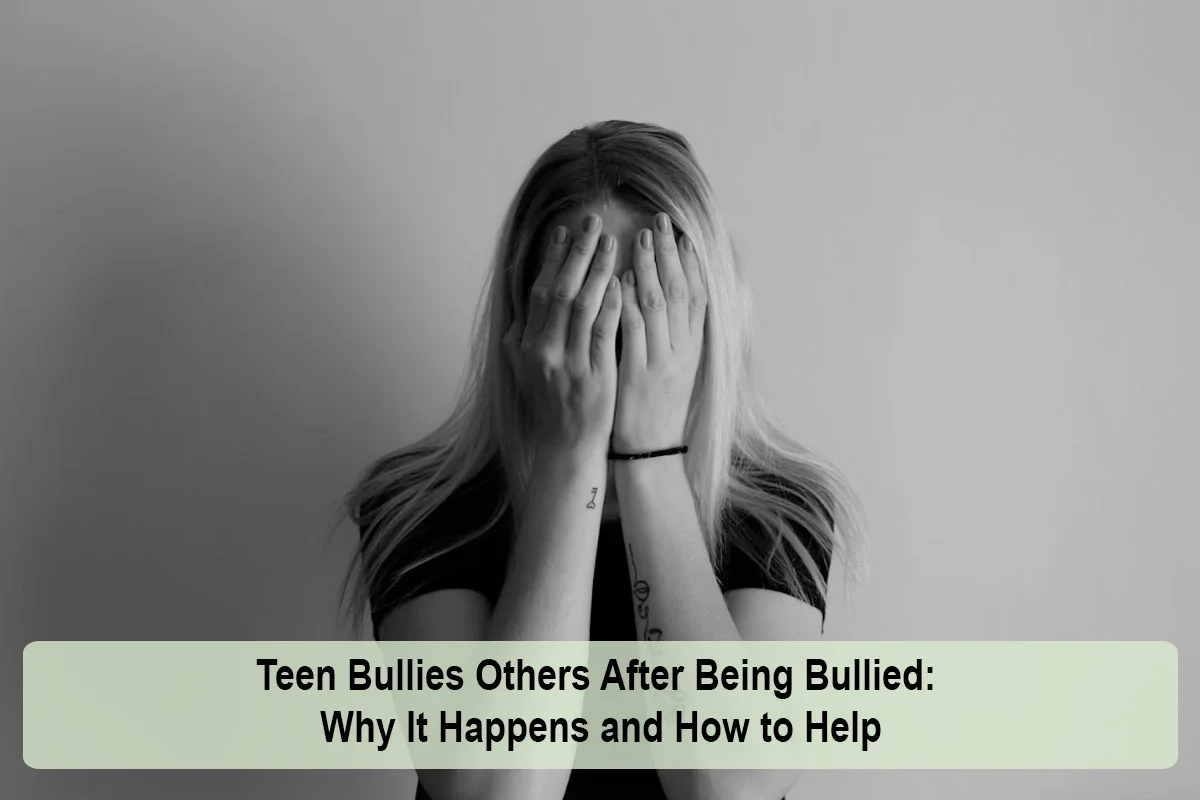
For a long time, your teen was the one getting picked on. You comforted them after hard days, talked to the school and worried about how much it hurt. Now you have received a different kind of call: your teen is the one doing the bullying. It is a confusing and painful turn. How could a child who knows exactly what it feels like to be targeted do the same to someone else? Yet this pattern is well known to researchers and counselors. When a teen bullies others after being bullied, they are often trying to regain a sense of power and safety that bullying took away.
This guide explains why some bullied teens start bullying, why this group faces especially serious risks, how to respond without shaming, and how to help your teen heal both the hurt they carry and the harm they are causing. If your teen talks about suicide or hurting someone, call or text the 988 Suicide and Crisis Lifeline or call 911.
Researchers use the term "bully-victim" for young people who have been bullied and who also bully others. They are a distinct group from teens who only bully or only get bullied. According to StopBullying.gov, the federal government's anti-bullying resource, kids who both are bullied and bully others suffer the most serious consequences and have the highest risk of mental health and behavioral problems of any group involved in bullying.
The same source notes that these young people are more likely to struggle with friendships, have difficulty holding jobs later in life, and develop mental health problems such as anxiety and depression. That makes early help especially important.
Bullying itself is common. The National Center for Education Statistics reports that about 1 in 5 students ages 12 to 18 were bullied at school in the 2021 to 2022 school year, including 22% of girls and 17% of boys. Some portion of those students go on to turn their pain outward.
Being bullied leaves teens feeling helpless and humiliated. Targeting someone weaker can feel, briefly, like taking control back. It is not a conscious plan, but the relief of no longer being at the bottom can be powerful.
Teens who have been teased, excluded or hit repeatedly have watched aggression "work" for the people who used it on them. They may copy the same tactics, sometimes word for word.
Some teens adopt a "get them before they get me" stance. Becoming aggressive feels safer than being vulnerable again, especially if they believe adults failed to protect them.
Joining in on bullying can be the price of acceptance into a group that offers protection from former tormentors.
Repeated bullying can act like trauma. Teens may carry intense anger, shame and hypervigilance that leaks out at others, especially at home, online or with younger kids. Our guide to teen trauma signs and effects explains how this can look.
Impulsivity from ADHD, social skill gaps, depression and anger problems can make it harder for a hurt teen to choose a different response.
| Typical teen conflict | Possible bullying behavior |
|---|---|
| Occasional arguments between equals | Repeatedly targeting someone with less power |
| Teasing that both sides laugh at | Mocking that leaves the other person upset |
| Disagreements that get resolved | Ongoing exclusion, rumors or online attacks |
| Regret after a mean comment | Blaming the target or saying "they deserved it" |
| Normal group chats | Screenshots, fake accounts or group pile-ons |
| Sibling squabbles | Persistent intimidation of a younger sibling |
Other clues include new friends known for aggression, unexplained items or money, frequent discipline referrals, a sudden focus on social status, and saying things like "I'm not going to be the loser anymore."
StopBullying.gov notes that kids who bully are more likely to misuse substances, experience depression or self-harm, and show aggressive or impulsive behavior, while kids who were bullied can experience depression, anxiety and low self-esteem that may last into adulthood. A teen who bullies others after being bullied may carry both sets of risks.
The site also points to a strong connection between bullying history and signs of suicide in the young people who show them. That does not mean most bullied teens are suicidal. It does mean parents should ask directly about self-harm and suicidal thoughts, without fear that asking will put the idea in their head.
| Try saying | Avoid saying |
|---|---|
| "I love you, and I won't accept you hurting other people." | "You're no better than the kids who bullied you." |
| "What was going on for you right before it happened?" | "How could you, after everything?" |
| "It sounds like you wanted to feel strong. Let's find other ways." | "Just ignore everyone and keep your head down." |
| "Are you still being picked on by anyone?" | "That's ancient history. Get over it." |
| "How do you think they felt?" | "They probably deserved it." |
Partner with the school rather than fighting it. Ask what the school's bullying policy requires, what consequences are planned and what support exists for both your teen and the student they targeted. Share that your teen was bullied in the past, which helps staff understand the full picture, but do not use it as an excuse. Ask whether the original bullying was ever fully resolved. Sometimes a teen is still being targeted and is retaliating. Request regular updates and a plan for supervision during unstructured times such as lunch, hallways and the bus.
Part of helping your teen grow is helping them see the other person clearly. Encourage your teen to think about what the targeted student may be experiencing at school and online. If the school arranges a restorative meeting, support it only if the other family agrees and it is facilitated by trained staff. Never pressure the targeted student to forgive or meet. Your teen's job is to stop the behavior, repair what they can and accept consequences, not to be absolved.
Ethan, 14, was mocked about his weight throughout seventh grade. In eighth grade he joined a new friend group and began posting mean memes about a quieter classmate. When the school called, his father's first impulse was to take everything away. Instead, after a calm night, he asked Ethan what it felt like when the memes got likes. Ethan admitted it felt good "to finally be on the other side." His father named the harm clearly, removed social media for a month, and helped Ethan write an apology the classmate's family agreed to. He also found Ethan a therapist, who helped him work through the anger he still carried from seventh grade. By spring, Ethan had joined the wrestling team and was mentoring a younger student.
Consider therapy if bullying continues after consequences, your teen shows little remorse, there is physical violence or threats, or your teen seems depressed, anxious, self-harming or full of rage. A therapist can address both sides of the experience. Cognitive behavioral therapy builds skills for anger and social problem-solving, trauma-specific therapy helps process past bullying, and family therapy improves communication at home. Our articles on violent behavior in teen boys and anger issues in teenage girls may also help.
When aggression is severe or outpatient care has not worked, adolescent programs such as MK Boys Academy, Nexus Teen Academy Oak and Polaris Teen Center offer more structure; confirm the program serves your teen's age and needs. You can browse programs for adolescents, search FindTreatment.gov or call the SAMHSA National Helpline at 1-800-662-4357.
When a teen bullies others after being bullied, they are often trying to protect themselves from ever feeling powerless again. That explains the behavior, but it does not excuse it. Respond with clear limits and real consequences, help your teen repair the harm, and give equal attention to the pain they still carry. Bully-victims face the highest risks of any group involved in bullying, so early support from parents, schools and counselors can change the path your teen is on.
This article was reviewed by the RehabsNearMe Editorial Team for accuracy, clarity, and relevance. Information may be sourced from publicly available treatment resources, government agencies, and healthcare references where applicable.
Last reviewed: November 2026
Resources
 Resources
 Resources
 Resources