
 Resources
Teen Thinks Therapy Doesn't Work? How Parents Can Help
Published On 31-10-2026
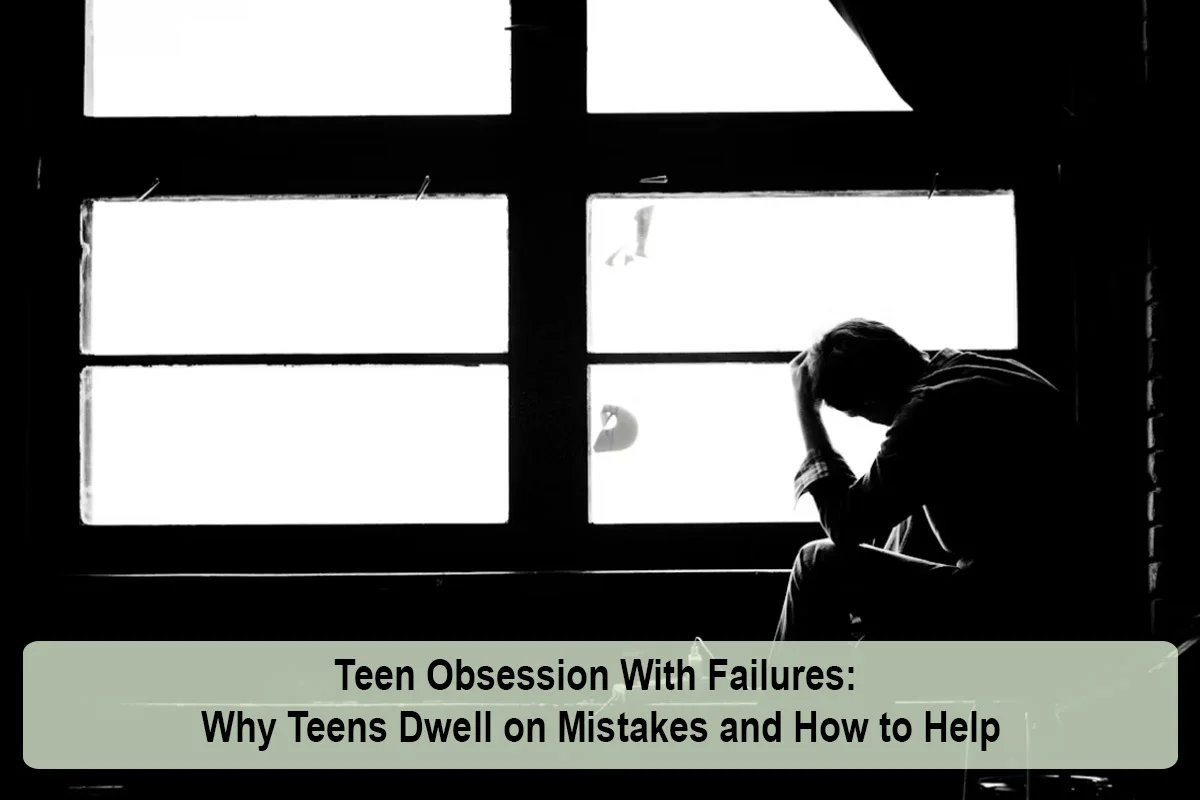
Your teen got a B on a test and has talked about nothing else for three days. They missed one shot in the game and replay it in bed at night. A small mistake at work, a text they think came out wrong, a college rejection, a breakup: each one becomes proof that they are a failure. You remind them of everything they do well, and it bounces right off. If this sounds familiar, you are watching a teen obsession with failures, a pattern of dwelling on mistakes that can quietly drain confidence, motivation and mood.
This guide explains why some teens fixate on their failures, how to tell healthy reflection from harmful rumination, when it may signal anxiety, depression or OCD, and what parents can say and do to help. If your teen ever says they would be better off dead, call or text the 988 Suicide and Crisis Lifeline or call 911.
Every teen feels bad about mistakes. Reflection is healthy when it leads to learning and then lets go. A teen obsessed with failures gets stuck. Common signs include:
| Healthy reflection | Teen obsession with failures |
|---|---|
| "I didn't study enough. Next time I'll start earlier." | "I'm stupid. I'll never be good at anything." |
| Thinks about it for a while, then moves on | Replays it for days and cannot let go |
| Focuses on what to change | Focuses on what is wrong with them |
| Can still enjoy other things | Mood and sleep suffer |
| Willing to try again | Avoids similar situations entirely |
| Accepts comfort from others | Needs constant reassurance that never sticks |
Some teens believe that anything less than perfect equals failure. Perfectionism can be driven by temperament, high-pressure environments or a belief that love and approval depend on performance. Perfectionistic teens may look successful on the outside while feeling like they are always falling short.
The teen brain is still maturing. According to NIMH's guide to the teen brain, the prefrontal cortex, which handles planning, prioritizing and decision-making, is one of the last areas to mature. Teens also focus more on peer relationships and may respond to stress differently than adults. Together, these changes can make mistakes, especially public ones, feel enormous.
Grades, rankings, college admissions, sports scouts and social media all keep score. Online, teens compare their behind-the-scenes struggles with others' highlight reels. Our article on common stressors for teens covers these pressures.
Anxiety is the most common mental health challenge in teens. NIMH estimates that 31.9% of adolescents will have an anxiety disorder. Anxious teens often overestimate the chance and consequences of failing, and they ruminate to try to feel more in control.
Depression filters memory so that failures stand out and successes fade. A teen who constantly dwells on mistakes and feels worthless may be depressed. NIMH's teen depression guide lists feeling worthless, getting easily frustrated and losing interest in activities among the signs.
Sometimes the fixation looks more like obsessive-compulsive disorder: unwanted, intrusive thoughts about having done something wrong, paired with repeated checking, redoing or confessing to get relief. NIMH notes that OCD symptoms usually begin between late childhood and young adulthood. OCD needs specific treatment, so mention these patterns to a clinician.
When rumination becomes a habit, it can lead to avoidance of classes, sports and opportunities, falling grades from procrastination, sleep problems, low self-esteem and withdrawal from friends. In the CDC's 2023 Youth Risk Behavior Survey, 39.7% of high school students reported persistent sadness or hopelessness. For some teens, a fixation on failure is part of that picture. You may also notice links to patterns we describe in teen gives up on school and teen gets overwhelmed by simple tasks.
Your reaction can either feed the spiral or help your teen step out of it. Reassurance alone rarely works, because anxious minds quickly argue with it. Try validation plus perspective.
| Try saying | Avoid saying |
|---|---|
| "That really hurt. It makes sense you're upset." | "It's not a big deal. Get over it." |
| "One mistake is information, not a verdict on who you are." | "Well, you should have tried harder." |
| "What would you tell a friend who did the same thing?" | "You're overreacting again." |
| "What's one small thing you could do differently next time?" | "Let me fix it for you." |
| "I love you no matter what grade you get." | "I'm disappointed in you." |
Help your teen ask three questions about a mistake: What happened? What can I learn? What is one next step? Once those are answered, the thinking is done. Further replaying adds pain, not learning.
Some teens benefit from a 15-minute daily "worry time" to write down failures and fears. Outside that window, when thoughts pop up, they note them for later. This technique from cognitive behavioral therapy helps contain rumination.
When your teen says "I always" or "I never," gently ask for evidence. Was it really always? What about last week's project?
Talk about your own mistakes and how you recovered. Teens learn more from watching how you handle failure than from what you tell them.
Focus praise on effort, persistence and smart strategies rather than results or talent. This helps teens see ability as something that grows.
Look honestly at schedules and expectations. Does your teen have time to rest? Are expectations at home realistic? Sometimes dropping one activity frees up enormous emotional space.
Breathing, grounding and short meditations can interrupt a rumination loop. See our guide to meditation techniques for teens and positive coping skills for teens.
Adults outside the home have a big influence on how teens interpret failure. If your teen is consumed by one class or sport, consider a short conversation with the teacher or coach. Ask how they view your teen's effort and progress, and whether there are opportunities for revision, retakes or skill-building. Hearing a coach say "Everyone misses shots; I care about how you bounce back" can carry more weight than a parent's reassurance. If your teen has a diagnosed condition, a school counselor can help set up supports.
Watching your child tear themselves apart over mistakes is painful, and it is natural to want to fix it. Notice whether your own worries about their future are adding pressure. Talking with a partner, friend or therapist about your own expectations can help you respond to your teen with more calm and less urgency. Your steadiness tells your teen that setbacks are survivable.
Maya, 16, failed her driving test after rolling through a stop sign. For days she refused to talk about rescheduling, called herself "the worst driver alive" and avoided getting in the car with her mom. Her mom first tried reassurance, which Maya dismissed. Then she switched approaches: "That was really embarrassing, and it makes sense you feel awful. Lots of people fail the first time. What do you think tripped you up?" Maya admitted she was nervous and rushed. Together they planned three practice drives focused on stops. Two weeks later Maya passed. Her mom's goal was not to erase the disappointment, but to help Maya move from shame to a plan.
Consider a professional evaluation if your teen's fixation on failure lasts weeks, disrupts school or sleep, leads to avoidance of important activities, or comes with sadness, anxiety, compulsive checking or self-harm. Effective treatments include cognitive behavioral therapy, mindfulness-based cognitive therapy and dialectical behavior therapy, plus treatment for underlying anxiety or depression. Our guide to teen self-hate talk covers the harsh inner critic in more depth.
If outpatient care is not enough, adolescent programs such as Nexus Teen Academy Oak and Hillcrest Adolescent Treatment Center offer more structure; confirm ages and services first. You can browse programs for adolescents, search FindTreatment.gov or call the SAMHSA National Helpline at 1-800-662-4357.
A teen obsession with failures is more than being hard on themselves. When dwelling on mistakes becomes constant, it can feed anxiety, depression and avoidance. Respond with empathy rather than dismissal, teach your teen to learn from mistakes and then let them go, reduce unnecessary pressure and model healthy failure yourself. If the pattern persists or comes with other warning signs, a therapist can help your teen build a kinder, more realistic relationship with failure.
This article was reviewed by the RehabsNearMe Editorial Team for accuracy, clarity, and relevance. Information may be sourced from publicly available treatment resources, government agencies, and healthcare references where applicable.
Last reviewed: November 2026
Resources
 Resources
 Resources
 Resources