
 Resources
Positive Coping Skills for Teens: 44 Healthy Ways to Manage Stress
Published On 25-10-2026
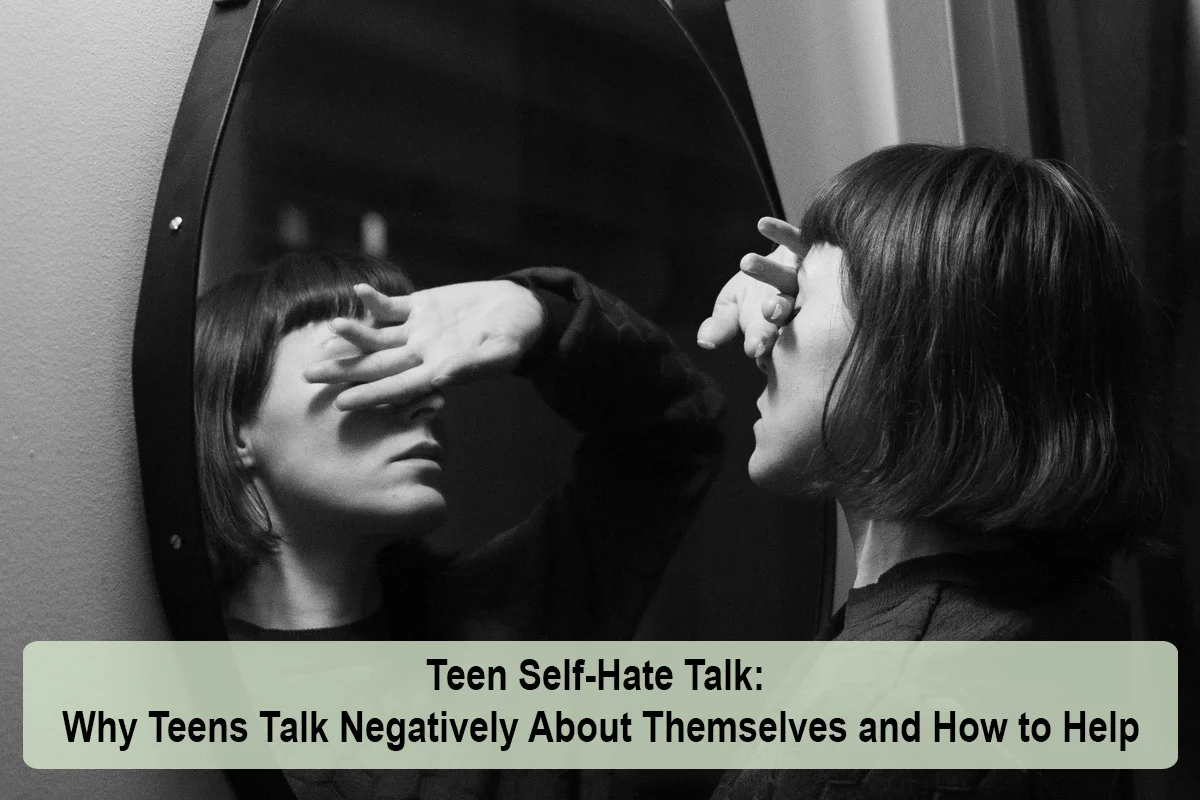
"I'm so stupid." "I hate myself." "I'm ugly." "I ruin everything." Hearing your teen talk about themselves this way can be painful and frightening. Some negative self-talk is common during adolescence, when teens are highly self-conscious and still building their identity. But frequent, harsh self-hate talk can be a sign of low self-esteem, depression, anxiety, trauma, or an eating disorder, and in some cases it is linked to self-harm or suicidal thoughts. This guide explains why teens talk negatively about themselves, how to tell everyday self-criticism from a warning sign, what to say and what to avoid, how to help your teen build a kinder inner voice, and when to get professional help.
Self-hate talk is negative, critical, or cruel language a person uses about themselves, either out loud or in their head. In teens, it may sound like:
Occasional frustration, such as "I'm so dumb" after a mistake, is common. Constant, global, and harsh self-criticism is more concerning.
Adolescents are extremely aware of how others see them. The National Institute of Mental Health explains in The Teen Brain: 7 Things to Know that the teen brain is still developing, with emotional responses that can be intense while the skills to put them in perspective are still maturing.
Depression distorts how people see themselves, making them feel worthless, guilty, or hopeless. The National Institute of Mental Health estimates that 20.1% of adolescents ages 12 to 17 had a major depressive episode in 2021, including 29.2% of girls. Learn more about depression treatment.
Perfectionistic teens may criticize themselves harshly for any mistake. Anxiety can fuel constant worry about not being good enough. See our page on anxiety treatment.
Comparing themselves to curated images and highlight reels can leave teens feeling inadequate. The U.S. Surgeon General's advisory on social media and youth mental health reports that 46% of adolescents ages 13 to 17 say social media makes them feel worse about their body image.
Teens who are bullied often begin to believe the cruel things others say. The National Center for Education Statistics reports that about one in five students ages 12 to 18 were bullied at school in 2021 to 2022.
Frequent criticism from parents, coaches, teachers, or peers can become a teen's inner voice.
Teens who have experienced abuse or other trauma may blame themselves and feel deeply ashamed. See our page on trauma treatment.
Harsh comments about weight, shape, or appearance can be early signs of body image problems or disordered eating. Learn more about eating disorder treatment.
Teens who struggle in school despite effort may conclude they are stupid or lazy. See our ADHD treatment page.
| More Typical | Warning Sign |
|---|---|
| Occasional "I'm so dumb" after a mistake | Frequent "I hate myself" or "I'm worthless" |
| Criticism tied to a specific event | Global statements about their whole self |
| Bounces back after encouragement | Cannot accept compliments or reassurance |
| Mood generally stable | Persistent sadness, withdrawal, or hopelessness |
| Normal eating and self-care | Harsh body talk, food restriction, or neglecting self-care |
| No talk of harm | Talk of being a burden, disappearing, self-harm, or suicide |
Take immediate action if your teen:
Call or text the 988 Suicide and Crisis Lifeline, or call 911 if they are in immediate danger. Do not leave them alone, and remove access to firearms, medications, and other means of harm. Learn more about self-harm treatment.
| Avoid Saying | Try Saying |
|---|---|
| "Stop being so dramatic." | "It sounds like you are really hurting." |
| "You're not ugly, stop saying that." | "I'm sorry you feel that way about yourself. What's making you feel like this?" |
| "Just think positive." | "Would it help to talk through what happened?" |
| "Other kids have it worse." | "Your feelings matter to me." |
| "You're fine." | "I love you, and I want to understand." |
| Step | Example |
|---|---|
| 1. Write the thought | "I'm a failure because I got a D on the test." |
| 2. Name the feeling | Ashamed, hopeless |
| 3. Evidence for | "I got a D." |
| 4. Evidence against | "I got a B on the last test. I passed my other classes. I didn't study much this time." |
| 5. Balanced thought | "One test went badly. I can study differently and ask for help." |
Practicing this exercise regularly, at first with a parent or therapist, helps teens catch harsh thoughts and respond more fairly to themselves.
Some teens post self-critical or hopeless messages on social media or in group chats, or follow accounts that glorify self-hatred, extreme dieting, or self-harm. Pay attention to what your teen shares and consumes online, talk openly about content that makes them feel worse, and take any online posts about self-harm or suicide seriously.
Teens learn from how adults talk about themselves and others. Avoid criticizing your own body or calling yourself names, and model self-compassion when you make mistakes: "I messed that up, but I'll fix it." Praise effort and character rather than appearance or outcomes alone, and avoid harsh criticism of your teen, which can become the voice in their head.
Hearing your child speak harshly about themselves can be heartbreaking and frightening. Reach out to a partner, friend, or counselor for support, and remember that seeking help for your teen is a sign of strength.
Encourage activities where your teen feels capable and valued.
Seek help from your teen's doctor or a mental health professional if self-hate talk is frequent, lasts more than two weeks, or comes with sadness, withdrawal, changes in eating or sleep, falling grades, or substance use. Seek help immediately for any talk of self-harm or suicide. Cognitive behavioral therapy helps teens identify and challenge negative thoughts, while dialectical behavior therapy builds emotional regulation and self-acceptance. Related guides include when a teen thinks everyone hates them and signs your teen girl needs help. Browse programs on our adolescent treatment page, including Nexus Teen Academy in Scottsdale and Nexus Teen Academy in Cave Creek.
Change takes time. Harsh inner voices often develop over years, and learning to speak kindly to oneself is a skill that grows with practice. Keep encouraging your teen, celebrate small shifts, and remind them that they are worthy of kindness, especially their own.
Notice and name their strengths often.
Small, steady encouragement adds up over time.
Teen self-hate talk can stem from self-consciousness, depression, anxiety, perfectionism, social media comparison, bullying, criticism, trauma, body image problems, or learning struggles. Respond calmly, validate feelings before offering another view, ask directly about safety when statements are severe, and help your teen practice noticing and challenging harsh thoughts. Frequent or severe self-hate talk, and especially any mention of self-harm or suicide, calls for professional support right away.
This article was reviewed by the RehabsNearMe Editorial Team for accuracy, clarity, and relevance. Information may be sourced from publicly available treatment resources, government agencies, and healthcare references where applicable.
Last reviewed: October 2026
Resources
 Resources
 Resources
 Resources