
 Resources
Positive Coping Skills for Teens: 44 Healthy Ways to Manage Stress
Published On 25-10-2026
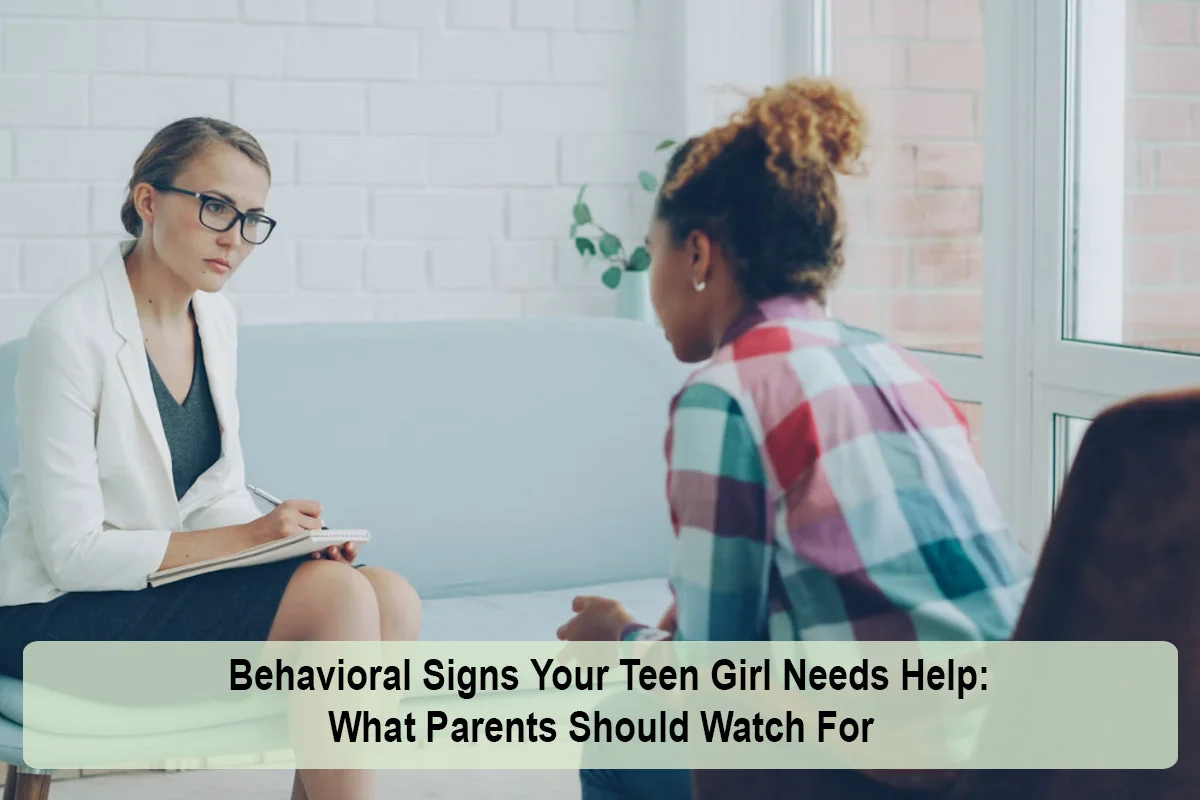
Teen girls today are facing a mental health crisis. Federal data shows that more than half of high school girls feel persistently sad or hopeless, and rates of depression, anxiety, self-harm, and eating disorders are high. Yet many girls are skilled at hiding their struggles. They may keep up their grades, smile in photos, and say "I'm fine" while quietly falling apart. Knowing the behavioral signs your teen girl needs help can make the difference between catching problems early and missing them. This guide covers the emotional, behavioral, physical, social, and online warning signs to watch for, the conditions that often affect teen girls, how to talk with your daughter, and when to seek professional support.
The CDC's 2023 Youth Risk Behavior Survey found that 52.6% of female high school students reported persistent feelings of sadness or hopelessness in the past year, compared with 27.7% of male students. The National Institute of Mental Health estimates that 29.2% of adolescent girls ages 12 to 17 had a major depressive episode in 2021, more than twice the rate for boys. Girls are also more likely to experience anxiety. NIMH reports that 11.2% of adolescent girls have had social anxiety disorder.
Contributing factors include social media and body image pressure, academic stress, social conflict and bullying, sexual harassment, earlier puberty, and perfectionism. The U.S. Surgeon General's advisory on social media and youth mental health reports that 46% of adolescents ages 13 to 17 say social media makes them feel worse about their body image.
| Condition | Signs to Watch For |
|---|---|
| Depression | Sadness, irritability, withdrawal, sleep and appetite changes, hopelessness |
| Anxiety | Constant worry, panic, avoidance, stomachaches, perfectionism |
| Eating disorders | Restricting food, bingeing, purging, excessive exercise, intense body focus |
| Self-harm | Unexplained injuries, hidden skin, secrecy, sharp objects in her room |
| Trauma and PTSD | Nightmares, avoidance, startle reactions, numbness, sudden behavior changes |
| Substance use | Secrecy, new friends, mood changes, missing money or medications |
| Usually Normal | Signs She Needs Help |
|---|---|
| Bad moods that pass in a day or two | Sadness or irritability most days for two weeks or more |
| Wanting privacy | Complete withdrawal from family and friends |
| Some interest in appearance | Obsession with weight, food, or body shape |
| Changing interests | Losing interest in nearly everything |
| Occasional stress about school | Panic attacks, school refusal, or falling grades |
| Friendship drama that resolves | Ongoing bullying, isolation, or online harassment |
Seek help immediately if your daughter:
Call or text the 988 Suicide and Crisis Lifeline or call 911 if she is in immediate danger.
Many teen girls are skilled at appearing fine. They may feel pressure to be perfect, worry about disappointing their parents, fear being labeled dramatic, or feel ashamed of what they are experiencing. Some keep up excellent grades and busy schedules while privately struggling with anxiety, depression, or disordered eating. That is why parents should pay attention to subtle changes, such as small shifts in eating, sleep, mood, or friendships, rather than waiting for obvious signs of crisis.
Image-focused platforms expose girls to filtered, edited, and curated images that can fuel comparison and body dissatisfaction. Algorithms may also push content about extreme dieting, self-harm, or appearance. Talk with your daughter about how images are edited, encourage her to unfollow accounts that make her feel worse, and set limits on late-night scrolling. Our teen phone addiction statistics explain how heavy social media use is linked to sadness and anxiety.
Unhealthy dating relationships, sexual harassment, pressure to send images, and online exploitation can all take a heavy toll on girls' mental health. Signs include sudden secrecy around her phone, fear or anxiety about a particular person, changes after a new relationship, or withdrawal from friends. Talk openly about healthy relationships, consent, and her right to say no, and reassure her that she can come to you without being blamed if something goes wrong.
Teachers and school counselors often notice changes parents do not see, such as declining participation, isolation at lunch, or conflicts with peers. Ask the school counselor whether they have noticed anything, share your concerns, and ask about support such as counseling, check-ins with a trusted adult, or temporary academic accommodations. If bullying or harassment is involved, request a plan to address it. Our guide on what to do when a teen sits alone at lunch offers related tips.
Worrying about your daughter can be overwhelming. Seek support from a partner, friends, a parent support group, or your own therapist. When you are supported, it is easier to stay calm and present for her.
Contact your daughter's doctor or a mental health professional if warning signs last more than two weeks, are getting worse, or interfere with school, friendships, eating, or sleep. Effective treatments include cognitive behavioral therapy, dialectical behavior therapy for self-harm and intense emotions, family therapy, and specialized eating disorder treatment. When outpatient care is not enough, intensive or residential programs for girls and adolescents can help, including Nexus Teen Academy in Cave Creek. For free referrals, call the SAMHSA National Helpline at 1-800-662-4357.
Trust your instincts. If something feels off with your daughter, even if she insists she is fine, it is always okay to check in and to ask a professional for guidance.
More than half of high school girls report persistent sadness or hopelessness, and many hide their struggles well. Behavioral signs your teen girl needs help include withdrawal, quitting activities, falling grades, secrecy, changes in eating or sleep, unexplained injuries, intense self-criticism, and distress linked to social media. Talk with her calmly, listen, ask directly about safety, and build supportive habits at home. If signs last more than two weeks, worsen, or include self-harm or suicidal thoughts, get professional help right away.
This article was reviewed by the RehabsNearMe Editorial Team for accuracy, clarity, and relevance. Information may be sourced from publicly available treatment resources, government agencies, and healthcare references where applicable.
Last reviewed: October 2026
Resources
 Resources
 Resources
 Resources