
 Resources
Teen Avoids Family Outings Due to Low Mood: What Parents Can Do
Published On 02-11-2026
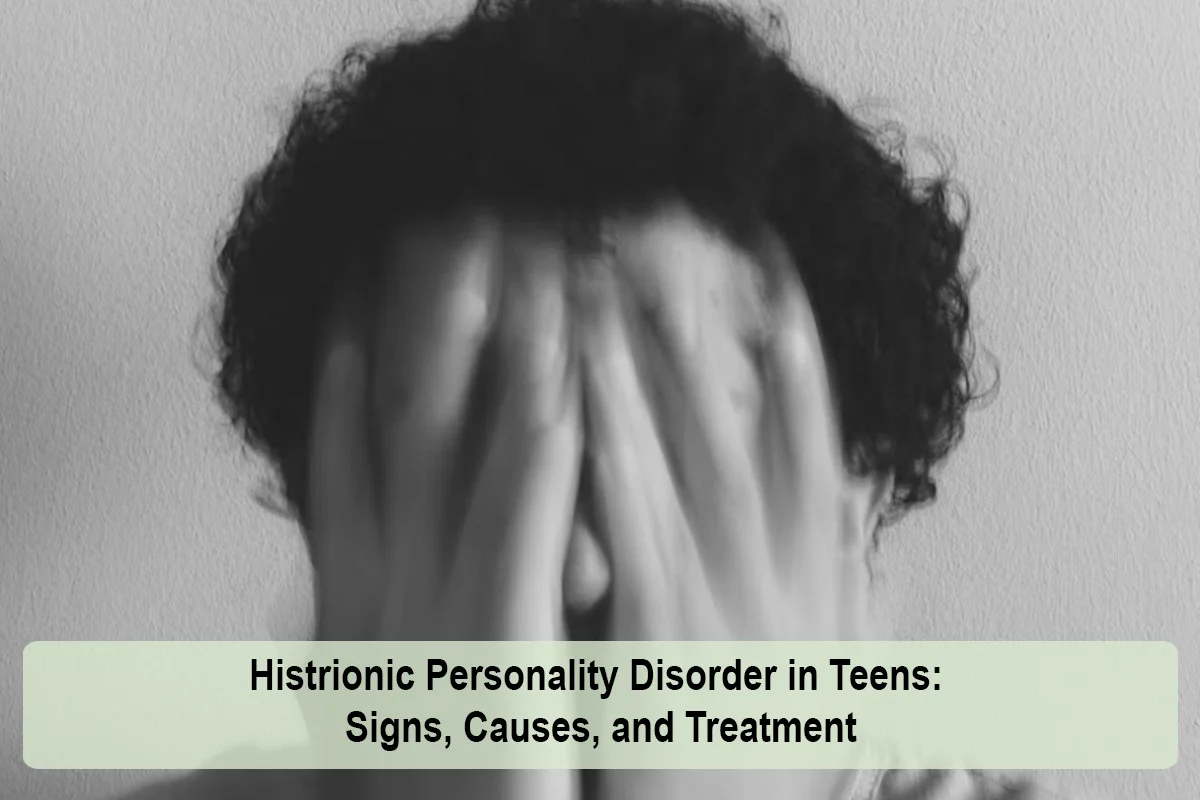
Your teen seems to need the spotlight all the time. Every story is dramatic, every feeling is huge, and when attention shifts to someone else, they seem hurt, sulky or suddenly louder. They may dress or post in provocative ways, call casual acquaintances their "best friends," and swing from tears to laughter in minutes. Much of this can be part of normal adolescence. But when a pattern of intense attention-seeking and shifting emotions becomes constant and starts damaging friendships, school and family life, parents may come across the term histrionic personality disorder.
This guide explains what histrionic personality disorder (HPD) is, how HPD traits can show up in teens, why clinicians are cautious about diagnosing it before adulthood, what causes it, how it is treated and how parents can help. If your teen talks about suicide or self-harm, call or text the 988 Suicide and Crisis Lifeline, or call 911 if they are in danger.
MedlinePlus, from the National Library of Medicine, describes histrionic personality disorder as a mental health condition in which a person acts in a very emotional and dramatic way that draws attention to themselves. People with HPD often function well and can be socially successful, which is one reason the pattern can go unnoticed for years.
According to Cleveland Clinic, researchers estimate that about 1% of people have the condition. Note that this is a general population figure, not a figure for teenagers. MedlinePlus reports that HPD is diagnosed more often in women, though more men may have it than are diagnosed, and that it usually begins by the late teens or early 20s.
This is the most important question for parents. Cleveland Clinic notes that providers typically do not diagnose HPD until after age 18, because personality is still developing through adolescence. Some drama, attention-seeking and emotional intensity is a normal part of being a teenager.
That does not mean the pattern should be ignored. Clinicians may describe a teen as having "histrionic traits" and focus treatment on the specific behaviors and emotions causing problems. Early support can help a teen build healthier ways to get attention, handle emotions and form real connections before patterns become fixed.
MedlinePlus lists the following symptoms of HPD. In teens, they may look like this:
Social media can amplify these traits. Likes, views and comments offer instant attention, and teens with histrionic traits may escalate posts to keep it coming.
| Typical teen behavior | Possible histrionic traits |
|---|---|
| Enjoys attention sometimes | Needs to be the center of attention nearly all the time |
| Big feelings that match the situation | Exaggerated emotions that shift quickly and seem shallow |
| Cares about appearance like peers do | Uses appearance mainly to draw attention, often provocatively |
| Has a few close friends | Overestimates closeness; relationships are intense but short |
| Can handle being out of the spotlight | Becomes distressed or escalates when ignored |
| Behavior varies by situation | Pattern is consistent across home, school and online |
Several conditions can look similar, and a careful evaluation is needed:
MedlinePlus states that the causes are unknown but that genes and early childhood events may play a role. Clinicians often consider factors such as family history of personality or mood disorders, inconsistent attention or approval in childhood, environments where attention was given mainly for drama or appearance, and trauma. None of these mean a parent caused the condition. They help a therapist understand what a teen learned about how to get needs met.
MedlinePlus lists possible complications of HPD, including strained friendships and romantic relationships, difficulty coping with loss or failure, craving novelty and excitement that can lead to risky situations, and a higher risk of depression and suicidal thoughts. For teens, risky situations can include unsafe dating, sexual risk-taking, substance use and online exposure. Watch for these and keep communication open.
A psychologist or psychiatrist will usually interview the teen and parents, review how long the patterns have lasted and how much they affect daily life, gather input from school and screen for depression, anxiety, trauma, ADHD, bipolar disorder and substance use. MedlinePlus notes that diagnosis is based on a psychological evaluation that considers how long and how severe symptoms have been. With teens, the focus is on understanding the pattern and choosing treatment, not on a label.
MedlinePlus states that talk therapy is the best treatment for HPD itself. Cleveland Clinic lists psychodynamic, supportive, group and cognitive behavioral therapy as options.
CBT helps teens notice thoughts like "If no one is looking at me, I don't matter" and build healthier beliefs and behaviors.
DBT builds emotion regulation, distress tolerance and relationship skills, which are useful for teens whose emotions swing quickly.
These approaches help teens understand where their need for attention comes from and develop a steadier sense of self-worth.
Groups give teens real-time feedback on how their behavior affects others in a safe setting.
Family therapy helps parents give attention for positive behavior, set consistent limits and improve communication.
Cleveland Clinic notes that no medication treats personality disorders directly, but medication for co-occurring depression or anxiety may help and can make therapy easier.
When histrionic traits come with self-harm, substance use, risky sexual behavior or severe depression, an intensive outpatient program, partial hospitalization or residential treatment may help.
| Try saying | Avoid saying |
|---|---|
| "You really care about being noticed. What would help you feel seen?" | "Stop being such a drama queen." |
| "I noticed how you helped your sister today. That meant a lot." | "You only want attention." |
| "Let's take a breath and talk when it's calmer." | "Nobody cares, so stop." |
| "Are you okay? Has anything happened online?" | "You're embarrassing this family." |
For teens with histrionic traits, social media can become a constant source of attention. Escalating posts, provocative photos, oversharing personal drama and seeking validation through likes can bring short-term relief but long-term harm, including online exploitation, bullying and regret. Talk openly about online safety, set clear expectations for posting, keep devices out of bedrooms at night and help your teen notice how they feel before and after scrolling. Pew Research Center reports that 46% of teens say they are online almost constantly, so these conversations matter for every family.
Mia, 16, was described by teachers as "the life of the party," but her friendships kept blowing up. She called new classmates her best friends within days, posted dramatic stories about every conflict and cried loudly in class when a teacher praised another student. At home, she escalated whenever her parents focused on her younger brother. After a frightening night when she left a party with older strangers she had just met online, her parents sought help. A therapist did not diagnose a personality disorder at her age but worked on her need for constant validation, emotion regulation and safer ways to feel noticed. Mia joined the school theater program, which gave her a healthy spotlight, and her parents learned to give attention for calm, kind moments. Over a year, her relationships became steadier.
Constant drama is exhausting. Parents may feel manipulated, embarrassed or guilty. Remember that attention-seeking behavior usually reflects a real need to feel valued, even when it is expressed in frustrating ways. Getting support for yourself, agreeing on consistent responses with your partner and protecting time for siblings will help the whole family stay steady.
Start with your teen's pediatrician or a licensed adolescent mental health professional. You can browse treatment programs for adolescents, compare programs offering DBT, or explore teen programs such as Polaris Teen Center and Hillcrest Adolescent Treatment Center; confirm each serves your teen's age and needs. You can also search FindTreatment.gov or call the SAMHSA National Helpline at 1-800-662-4357.
Histrionic personality disorder involves a lasting pattern of dramatic emotions and attention-seeking that strains relationships and daily life. In teens, providers are usually cautious about the diagnosis, but histrionic traits can still be recognized and treated. Talk therapy is the main treatment, and parents can help by rewarding healthy behavior, staying calm during drama, setting limits and creating positive ways for their teen to be seen. Early support helps teens build real connection and a steadier sense of self-worth.
This article was reviewed by the RehabsNearMe Editorial Team for accuracy, clarity, and relevance. Information may be sourced from publicly available treatment resources, government agencies, and healthcare references where applicable.
Last reviewed: November 2026
Resources
 Resources
 Resources
 Resources