
 Resources
Benefits of Teen Meditation: What the Research Shows
Published On 01-11-2026
If your son talks about suicide, has hurt himself or is in danger, call or text the 988 Suicide and Crisis Lifeline or call 911 right away.
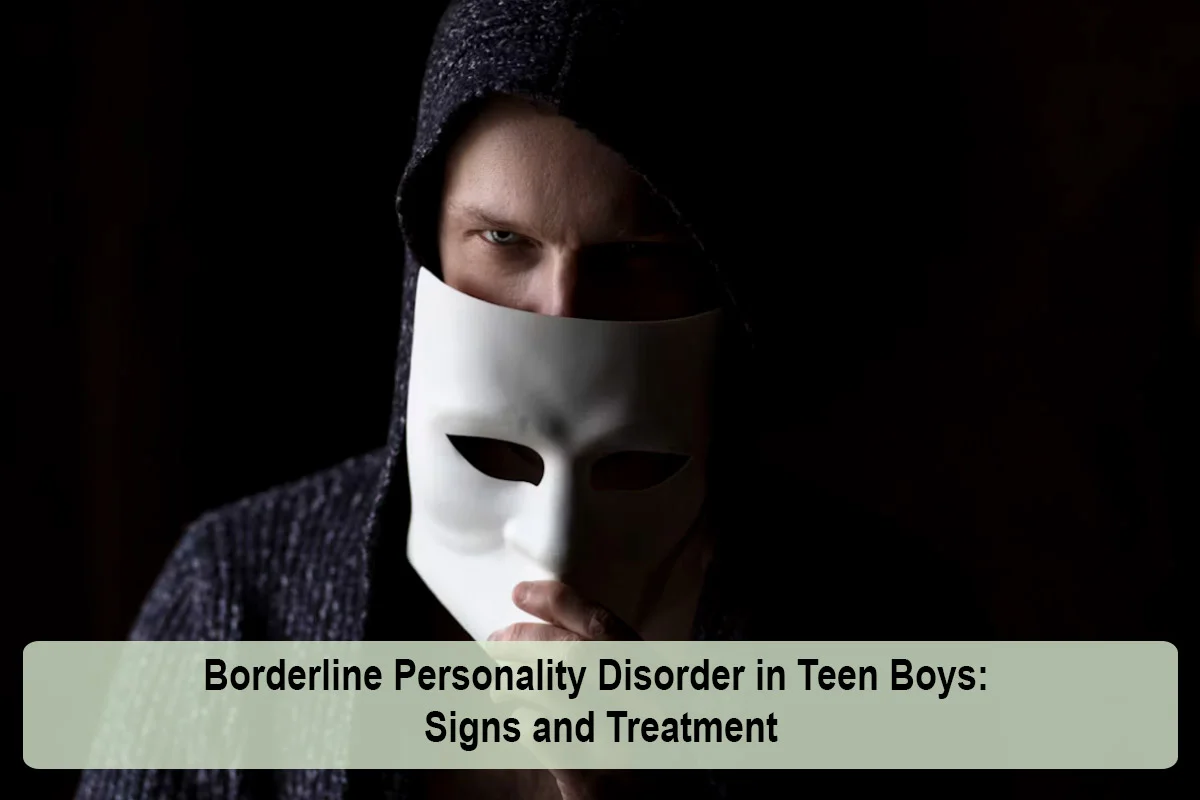
Your son's emotions seem to go from zero to explosive in seconds. One week a friend or girlfriend is the best person in his life; the next, they are the enemy. He punches walls after small arguments, takes wild risks, and after a breakup or rejection he seems to fall apart completely. You may have been told he has anger problems, ADHD or a conduct issue. Sometimes that is right. But for some boys, these patterns point to borderline personality disorder (BPD), a condition that is often thought of as affecting girls and women and is easy to miss in boys.
This guide explains what borderline personality disorder in teen boys can look like, why it is often overlooked, how it is diagnosed and treated, and how parents can help. It is meant to inform, not diagnose. Only a qualified mental health professional can evaluate your son.
The National Institute of Mental Health describes borderline personality disorder as a condition marked by intense, rapidly changing moods, an unstable self-image and extreme views of people and situations. Symptoms can include:
NIMH notes that not everyone with BPD has all of these symptoms. It also states that people with the disorder have significantly higher rates of self-harm and suicidal thoughts and behavior than the general population, which is why early recognition matters.
Yes, with care. NIMH explains that BPD is typically identified in the late teen or young adult years, and that a person younger than 18 may be diagnosed if symptoms are severe and have lasted at least a year. Many clinicians are cautious about the label in teens because adolescence naturally involves big emotions and identity changes. A careful evaluation looks at how long symptoms have lasted, how severe they are and whether something else, such as depression, bipolar disorder, ADHD, trauma or substance use, better explains them.
The core of BPD is the same in any teen, but the way it shows up can differ. Boys are often taught to hide sadness and fear, so their pain may come out as anger and action rather than tears. Common patterns in teen boys include:
Because the most visible symptoms in boys, such as anger, fights, substance use and rule-breaking, look like behavior problems, adults may focus on discipline rather than the emotional pain underneath. Boys may also be less likely to describe feelings of abandonment or emptiness. As a result, a teen boy may be labeled only as defiant, aggressive or a substance user, and the emotional pattern driving those behaviors goes unaddressed.
| What adults often see | What may be underneath in BPD |
|---|---|
| Punching walls after an argument | Unbearable emotional intensity and trouble calming down |
| Jealous, controlling behavior with a girlfriend or boyfriend | Intense fear of abandonment |
| Heavy drinking or drug use | Trying to numb overwhelming feelings |
| Reckless driving or fights | Impulsivity during emotional crises |
| Quitting things suddenly | Unstable sense of identity and goals |
| "I don't care about anything" | Chronic emptiness |
Several conditions share features with BPD, and teens can have more than one. A clinician will consider:
Cultural messages like "boys don't cry," "toughen up" and "don't be weak" shape how teen boys handle pain. A boy with intense emotions who has learned that sadness and fear are unacceptable may convert them into anger, aggression or numbing with substances. These norms can also keep boys from asking for help, describing feelings of emptiness or admitting fear of being left. Parents can push back by naming emotions out loud, praising their son for talking about feelings and making clear that seeking therapy is a sign of strength.
Because many conditions overlap with BPD, a careful assessment usually takes more than one visit. A psychologist or psychiatrist will typically interview your son privately and interview parents, review his history of moods, relationships, self-harm and risk-taking, use standardized questionnaires, ask teachers about school behavior and screen for depression, bipolar disorder, ADHD, trauma, conduct problems and substance use. Some clinicians describe "BPD traits" rather than giving a full diagnosis to a teen, while still recommending treatment such as DBT. What matters most is that the treatment plan targets the patterns your son is struggling with.
NIMH lists three broad risk factors: family history, especially a close relative with the disorder; differences in brain areas involved in impulses and emotion regulation; and environmental factors such as childhood abuse, neglect, abandonment or unstable, invalidating relationships. These factors do not guarantee BPD, and teens without them can still develop it.
BPD is treatable, and NIMH states that evidence-based treatments help many people have fewer and less severe symptoms.
DBT was developed specifically for BPD. It teaches mindfulness, emotion regulation, distress tolerance and relationship skills, and aims to reduce self-destructive behavior. Adolescent versions usually include parents in skills groups so the whole family learns the same language.
NIMH notes that CBT can help people change inaccurate beliefs about themselves and others and can reduce mood swings, anxiety and self-harm.
Family therapy helps reduce conflict, improve communication and replace invalidating patterns with validating ones.
NIMH states that medication is not a first-line treatment for BPD, but it may be used for specific symptoms or co-occurring conditions such as depression.
For boys using alcohol or drugs to cope, co-occurring treatment addresses both at once.
Many parents fear that a BPD diagnosis means a lifetime of struggle. The outlook is more hopeful than that. NIMH notes that effective treatments are available and that evidence-based therapy helps many people have fewer and less severe symptoms and better day-to-day functioning, though the pace of improvement varies. Early treatment matters because it can reduce self-harm, school failure, substance problems and legal trouble during a critical stage of life. Teens who learn DBT skills carry them into adulthood, in relationships, work and parenting.
Validation, which means acknowledging that your son's feelings make sense from his point of view even when you disagree with his behavior, is one of the most powerful tools for teens with BPD traits.
| Try saying | Avoid saying |
|---|---|
| "I can see how much that hurt. It makes sense you're upset." | "Man up. Stop being so dramatic." |
| "I'm not leaving. We'll get through this." | "If you keep this up, I'm done with you." |
| "Breaking things isn't okay. Let's take a break and talk later." | "You're crazy." |
| "Are you having thoughts of hurting yourself?" | "You're just doing this for attention." |
Our guide on teen boys after a breakup may help if rejection is a common trigger.
Marcus, 16, had been suspended twice for fighting, and his parents assumed he simply had an anger problem. After his girlfriend ended their relationship, he sent dozens of desperate texts, punched a hole in his bedroom door and told a friend he did not see the point of living. His parents called 988 and then his pediatrician, who referred him for an evaluation. The psychologist found a long pattern: intense fear of being left, sudden shifts from adoring friends to hating them, reckless driving after arguments and a constant sense of emptiness he described as boredom. Marcus started an adolescent DBT program with weekly individual therapy and a skills group his parents attended. Within several months, his outbursts were less frequent, and he could name his panic about rejection instead of acting on it.
Teen boys with BPD traits often face discipline at school for fights or outbursts. Share relevant information with the school counselor so staff can respond to crises with de-escalation rather than only punishment. Ask about a safety plan for school, a trusted adult your son can go to when emotions spike, and whether a 504 plan is appropriate if a diagnosis affects his learning.
If your son is self-harming, has made a suicide attempt, is using substances heavily or is not improving with outpatient therapy, consider an intensive outpatient program, partial hospitalization or residential treatment with DBT. For a suicidal crisis, see inpatient treatment for suicidal teens. MK Boys Academy is a program for boys, and Polaris Teen Center and Hillcrest Adolescent Treatment Center serve adolescents; confirm each offers DBT and serves your son's age. You can also browse programs for teen boys, compare programs offering DBT, search FindTreatment.gov or call the SAMHSA National Helpline at 1-800-662-4357.
Borderline personality disorder in teen boys often hides behind anger, risk-taking, substance use and stormy relationships, which can lead adults to see only behavior problems. If your son's emotions are intense and unstable, he fears rejection and he acts impulsively or hurts himself, ask for a thorough evaluation. With DBT, family support and treatment for any co-occurring conditions, many teens with BPD traits learn to manage intense emotions and build steadier relationships.
This article was reviewed by the RehabsNearMe Editorial Team for accuracy, clarity, and relevance. Information may be sourced from publicly available treatment resources, government agencies, and healthcare references where applicable.
Last reviewed: November 2026
Resources
 Resources
 Resources
 Resources