
 Resources
Teen Gives Up on School? Why It Happens and How to Help
Published On 25-10-2026
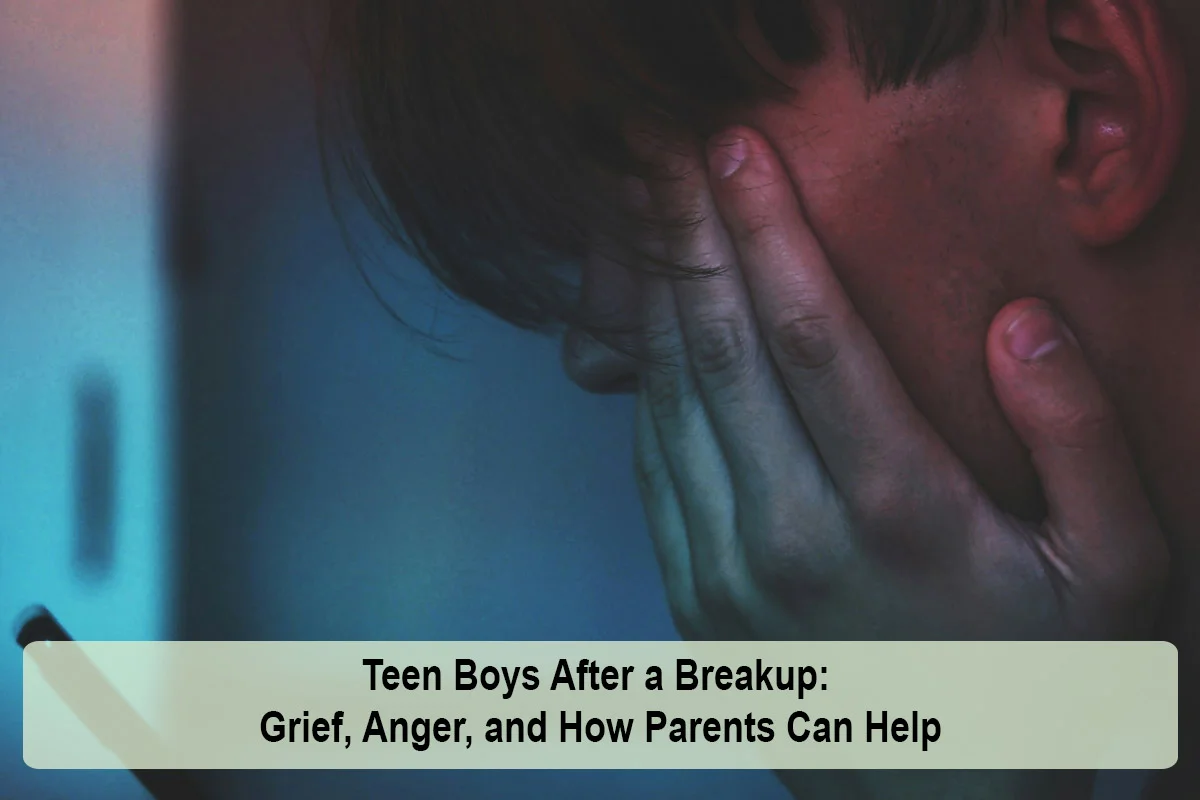
A first breakup can hit a teenage boy harder than many adults expect. To him, the relationship may have felt like the most important thing in his life, and losing it can bring a wave of grief, embarrassment, jealousy, and anger. But many teen boys do not cry or talk about it. Instead, they shut down, snap at family, lose interest in school, or act out. If your son is struggling after a breakup, it can be hard to know whether he just needs time or whether something more serious is going on. This guide explains how breakups affect teen boys, what grief and anger can look like, how parents can help, the warning signs that call for professional support, and how to handle the online side of breakups.
| Normal Heartbreak | Warning Signs to Take Seriously |
|---|---|
| Sad, moody, or quiet for a few days to a couple of weeks | Withdrawal or sadness lasting more than two to three weeks |
| Some irritability | Escalating aggression, fights, or property destruction |
| Gradually returns to friends and activities | Drops friends, sports, and hobbies and does not re-engage |
| Some trouble focusing | Failing classes or refusing to go to school |
| Talks about the ex or avoids the topic | Obsessive checking, stalking, threats, or harassment toward the ex |
| Sleep and appetite settle | Major changes in sleep, appetite, or weight |
| Hopeful about the future | Hopelessness, substance use, or any talk of self-harm or suicide |
Depression and hopelessness are common among teen boys even before a breakup. The CDC's 2023 Youth Risk Behavior Survey found that 27.7% of male high school students reported persistent feelings of sadness or hopelessness. A breakup can deepen existing struggles.
Avoid phrases like "It was just puppy love" or "There are plenty of fish in the sea." Even if the relationship was short, the pain is real to him. Try, "I know this really hurts" or "Breakups are rough. I am here if you want to talk."
Many boys open up more easily during side-by-side activities, such as driving, shooting hoops, fishing, or cooking. Let him lead the conversation and accept short answers.
Regular meals, sleep, school, and activities provide stability when emotions feel chaotic.
Boys often label everything as "angry" or "fine." Gently help him identify hurt, embarrassment, jealousy, or loneliness. Naming feelings reduces their intensity.
Validate his feelings while being clear about behavior: "It makes sense that you are angry. It is not okay to punch the wall or send threatening messages."
A brief story about your own first heartbreak, and how you got through it, can help him feel less alone. Keep it short and focused on him.
Social media can make breakups much harder. Seeing an ex's posts, new relationships, or gossip can reopen wounds daily.
Seeing an ex every day in classes, hallways, or at lunch can keep the pain fresh. Help your son plan for these moments, such as sitting with supportive friends, focusing on activities he enjoys, or using a short script if they have to interact. If the situation turns into conflict, harassment, or bullying in either direction, contact the school counselor for support. In some cases, schools can adjust schedules or seating to reduce tension.
A breakup can be an opportunity to talk about what healthy relationships look like, including respect, trust, honesty, and consent. Ask what he learned and what he would want in a future relationship. Talk about warning signs of unhealthy relationships, such as controlling behavior, jealousy, or pressure. These conversations help teens build healthier connections going forward.
There is no set timeline. Many teens begin feeling better within a few weeks, though reminders like seeing the ex at school or on social media can bring waves of sadness. If your son is not starting to return to his usual self after two to three weeks, or if things are getting worse, it is time to look more closely.
A breakup does not cause mental illness, but it can trigger or uncover depression, anxiety, substance use, or self-harm. Boys may be especially likely to cope with drinking, vaping, or drugs. See our guides on what to do if your teen son is smoking weed and when a teen is destroying property at home.
If your son talks about suicide or you believe he is in danger, call or text the 988 Suicide and Crisis Lifeline or call 911.
Cognitive behavioral therapy can help teens challenge thoughts like "No one will ever love me" and build coping skills. Dialectical behavior therapy teaches emotion regulation for intense anger and sadness, and family therapy strengthens support at home. Expressive therapies like art and music can help boys who struggle to talk. Browse programs for boys and adolescents, including Nexus Teen Academy in Scottsdale.
Parents can also support recovery by modeling healthy coping themselves, keeping the home calm, and reminding him regularly that he is loved and valued, no matter what happened in the relationship.
Breakups can bring intense grief and anger for teen boys, often expressed through withdrawal, irritability, school problems, or risky behavior rather than tears. Take his feelings seriously, offer side-by-side time and healthy outlets, keep routines steady, set limits on anger, and help him navigate social media safely. Most teens begin to recover within a few weeks, but withdrawal that lingers, escalating anger, substance use, or any talk of self-harm calls for professional help right away.
This article was reviewed by the RehabsNearMe Editorial Team for accuracy, clarity, and relevance. Information may be sourced from publicly available treatment resources, government agencies, and healthcare references where applicable.
Last reviewed: October 2026
Resources
 Resources
 Resources
 Resources