
 Resources
Teen Psychodrama Therapy Techniques: How Role-Play Helps Teens Heal
Published On 25-10-2026
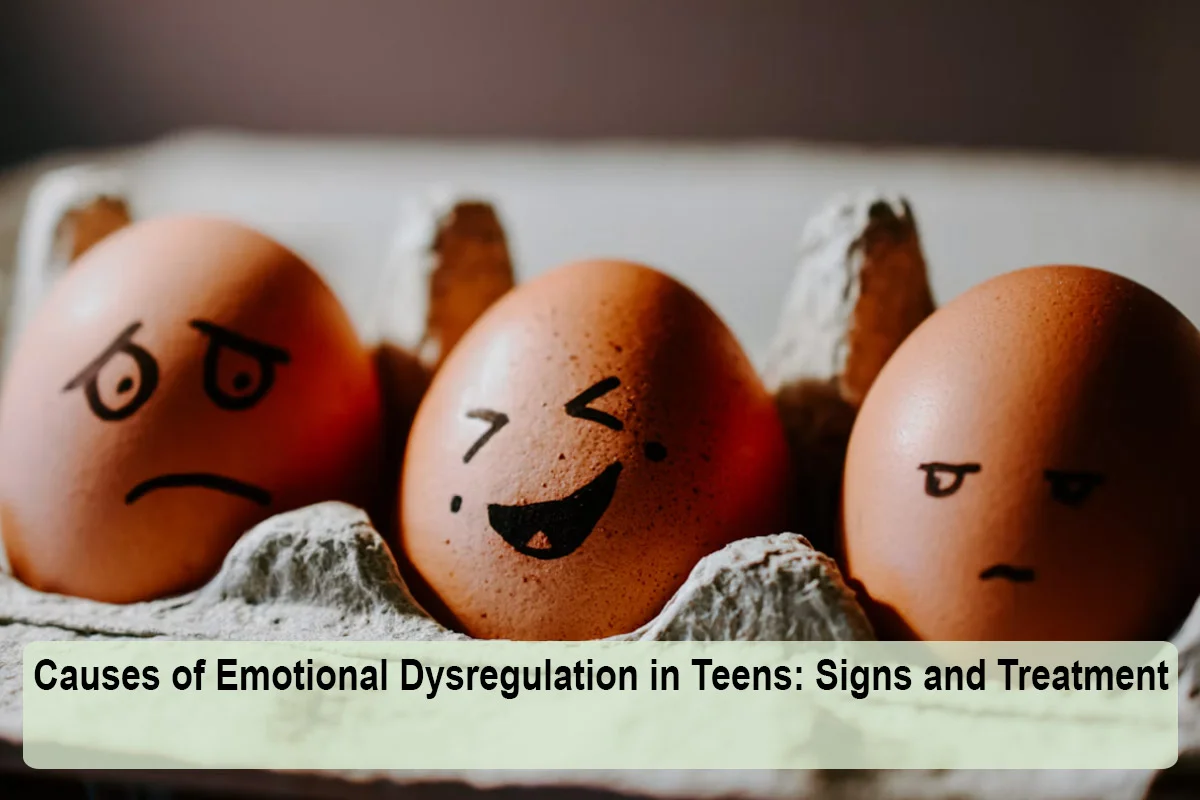
A teen who goes from calm to furious in seconds, sobs uncontrollably over a small setback, or acts on intense feelings in ways they later regret may be struggling with emotional dysregulation. Parents often search for "emotional dysregulation disorder" to understand what is happening. While emotional dysregulation is not a formal diagnosis on its own, it is a real and well-studied pattern that shows up in many mental health conditions, and it can seriously affect a teen's relationships, schoolwork, and safety. This guide explains what emotional dysregulation is, the main causes in teens, the conditions it is linked to, warning signs, how it is diagnosed and treated, and how parents can help at home.
Emotional regulation is the ability to notice, understand, and manage emotions in a way that fits the situation. Emotional dysregulation means having difficulty doing this. Teens with emotional dysregulation tend to:
Everyone has moments of dysregulation, and teens have more than adults because their brains are still developing. It becomes a concern when it is frequent, intense, and interferes with daily life.
There is no diagnosis called "emotional dysregulation disorder" in the DSM-5, the manual clinicians use to diagnose mental health conditions. Instead, emotional dysregulation is considered a symptom or feature that appears across many conditions. The closest formal diagnosis for children and young teens is disruptive mood dysregulation disorder (DMDD). The National Institute of Mental Health describes DMDD as a condition in which children and youth experience ongoing irritability and frequent, severe temper outbursts. DMDD is typically diagnosed between ages 6 and 18, with symptoms beginning before age 10.
Emotional dysregulation usually develops from a combination of biological, psychological, and environmental factors.
The National Institute of Mental Health explains in The Teen Brain: 7 Things to Know that the brain keeps maturing into the mid-to-late 20s, and the prefrontal cortex, which helps control impulses, develops last. Emotional centers are highly active during adolescence, which makes all teens more prone to intense reactions.
Some children are born more emotionally sensitive and reactive. Genetics also play a role. Teens with a family history of mood disorders, ADHD, or anxiety may be more likely to struggle with emotional regulation.
Abuse, neglect, violence, loss, and other traumatic experiences can change how the stress response system works, leaving teens on high alert and quick to react. Trauma is one of the strongest contributors to emotional dysregulation. Learn more about trauma treatment and PTSD treatment.
The biosocial theory developed by Marsha Linehan, who created dialectical behavior therapy, suggests that emotional dysregulation often grows from a mix of biological sensitivity and an environment where a child's emotions are dismissed, punished, or ignored. This does not mean parents are to blame. Often, a sensitive child and well-meaning parents simply do not fit well, and everyone needs new skills.
Emotional dysregulation is very common in teens with ADHD, who may react impulsively and struggle with frustration. The CDC reports that about 7 million U.S. children have been diagnosed with ADHD. Learn more about ADHD treatment.
Autistic teens may experience emotional dysregulation related to sensory overload, changes in routine, or difficulty identifying and expressing emotions.
Both conditions reduce a teen's emotional resources and can show up as irritability, tearfulness, and outbursts. See our pages on depression and anxiety.
Bipolar disorder involves distinct episodes of mania or hypomania and depression. The National Institute of Mental Health estimates 2.9% of adolescents have had bipolar disorder. Learn more about bipolar treatment.
Emotional dysregulation is a core feature of borderline personality disorder (BPD). The National Institute of Mental Health notes that BPD often begins in adolescence or early adulthood. Clinicians are cautious about diagnosing personality disorders in teens, but early treatment for these traits can be very effective.
Lack of sleep makes it much harder to manage emotions. Many teens are chronically sleep-deprived.
Alcohol, cannabis, and other drugs can worsen mood swings, impulsivity, and irritability, especially during withdrawal. See our page on marijuana addiction.
Family conflict, bullying, academic pressure, poverty, and social media stress can wear down a teen's ability to cope.
| Condition | How Dysregulation Shows Up |
|---|---|
| DMDD | Persistent irritability and severe, frequent temper outbursts |
| ADHD | Impulsive reactions, low frustration tolerance |
| PTSD and trauma | Hypervigilance, intense reactions to reminders |
| Depression | Irritability, tearfulness, hopelessness |
| Anxiety | Panic, meltdowns when overwhelmed |
| Bipolar disorder | Distinct episodes of elevated and depressed mood |
| Borderline personality traits | Intense, unstable emotions and relationships, fear of abandonment |
| Autism | Meltdowns linked to sensory overload or change |
| Typical Teen Emotions | Possible Emotional Dysregulation |
|---|---|
| Occasional outbursts during stressful times | Frequent outbursts, several times a week |
| Reaction roughly fits the situation | Reaction far bigger than the trigger |
| Calms down within minutes to an hour | Stays upset for hours |
| Can use coping skills with reminders | Cannot access coping skills when upset |
| No harm to self or others | Self-harm, aggression, or dangerous impulsive acts |
Some teens use self-harm, such as cutting or burning, to get relief from overwhelming emotions. This is a serious sign that a teen needs professional help. If you discover self-harm, stay calm, avoid shaming, make sure any injuries are cared for, and contact a mental health professional promptly. Learn more about self-harm treatment. DBT was originally developed for people who self-harm and is one of the most effective treatments for it.
A child and adolescent psychiatrist, psychologist, or other qualified clinician will look at the pattern, frequency, and intensity of your teen's emotional reactions, when they started, and how they affect daily life. They will screen for underlying conditions such as ADHD, depression, anxiety, trauma, bipolar disorder, and substance use. Bring specific examples and notes about triggers, sleep, and family history.
DBT was designed specifically for intense emotions and teaches four skill sets: mindfulness, distress tolerance, emotion regulation, and interpersonal effectiveness. DBT for adolescents often includes parents in skills training.
CBT helps teens identify triggers and thought patterns that fuel emotional reactions.
When trauma is involved, approaches such as trauma-focused CBT and EMDR address the root cause. See our guide on trauma-focused therapy techniques for teens.
Family therapy helps everyone communicate and respond to emotions more effectively.
Medication may help treat underlying conditions such as ADHD, depression, anxiety, or bipolar disorder.
When dysregulation leads to self-harm, aggression, or substance use, an intensive outpatient program or residential treatment may be needed.
Browse programs on our adolescent treatment page, including Nexus Teen Academy in Scottsdale and Polaris Teen Center in Tarzana. Related guides include mood swings in teens and when a teen seems emotionally fragile. If your teen talks about self-harm or suicide, call or text 988 or call 911.
Emotional dysregulation is not a formal diagnosis on its own, but it is a real pattern of intense, hard-to-manage emotions that appears in conditions such as DMDD, ADHD, trauma, depression, anxiety, bipolar disorder, autism, and borderline personality traits. Causes include brain development, temperament and genetics, trauma, invalidating environments, sleep problems, substance use, and chronic stress. DBT, CBT, trauma-focused therapy, family therapy, and medication for underlying conditions can help teens learn to manage emotions. With the right support, teens can build lasting emotional regulation skills.
This article was reviewed by the RehabsNearMe Editorial Team for accuracy, clarity, and relevance. Information may be sourced from publicly available treatment resources, government agencies, and healthcare references where applicable.
Last reviewed: October 2026
Resources
 Resources
 Resources
 Resources