
 Resources
Positive Coping Skills for Teens: 44 Healthy Ways to Manage Stress
Published On 25-10-2026
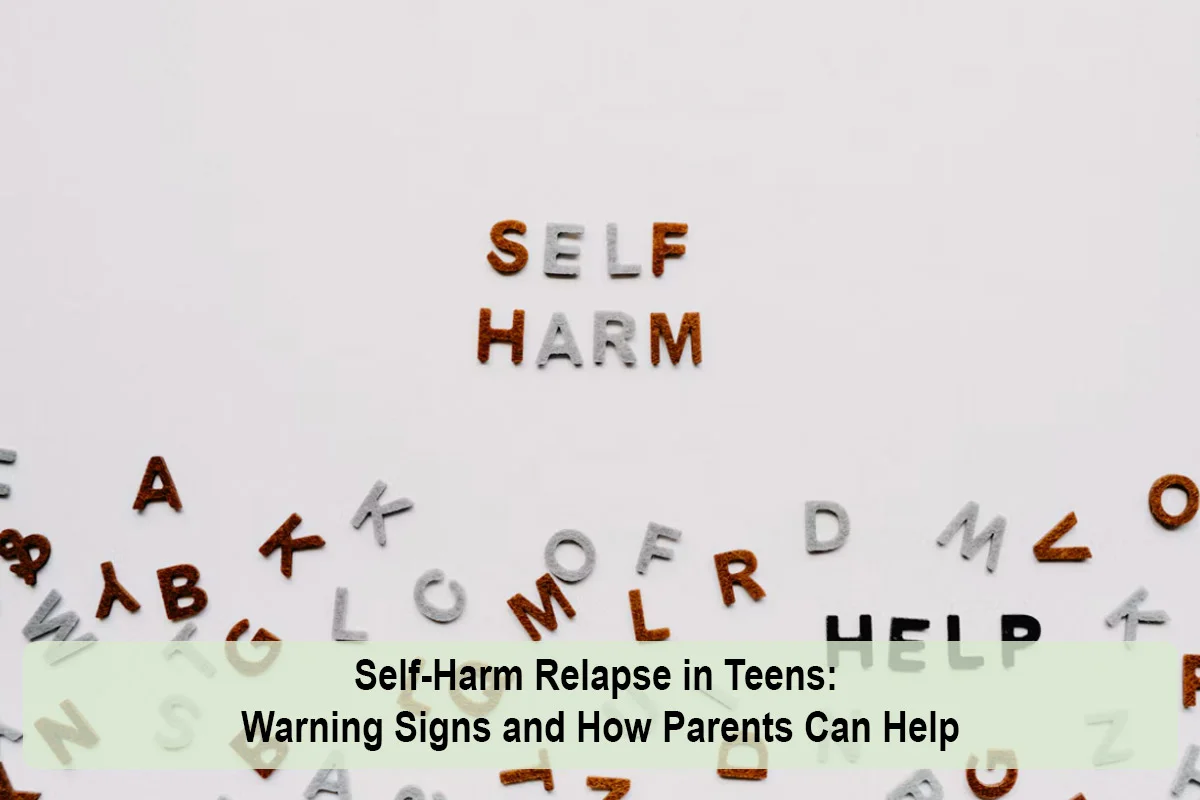
Your teen had been doing so well. Weeks or months passed without self-harm, therapy seemed to be helping, and you started to breathe again. Then you notice new marks, find hidden items, or your teen tells you it happened again. A self-harm relapse can leave parents feeling scared, discouraged, and unsure what to do next. Teens often feel intense shame and may believe they have failed. It is important to know that relapse is common in recovery from self-harm and does not erase the progress your teen has made. This guide explains what self-harm relapse is, why it happens, warning signs, how parents should respond, how to update a safety plan, treatment options, and how families can keep moving forward.
If your teen is in immediate danger or has a serious injury, call 911. For crisis support, call or text 988 anytime.
Self-harm, also called non-suicidal self-injury, is when someone deliberately hurts themselves, usually as a way to cope with overwhelming emotions. A relapse is a return to self-harm after a period of not doing it. Recovery from self-harm is rarely a straight line. Many teens have setbacks, especially during stressful times, while they are still learning and practicing new coping skills.
Relapse does not mean treatment has failed or that your teen is not trying. It usually means that stress has outpaced the coping skills your teen has built so far, and that more support is needed right now.
Self-harm is not usually a suicide attempt, but it is a sign of serious emotional pain, and it is linked to a higher risk of suicidal thoughts and behavior. The CDC's 2023 Youth Risk Behavior Survey found that 20.4% of high school students seriously considered attempting suicide in the past year, and 9.5% attempted suicide, with higher rates among girls. Every relapse is a reason to check in about safety and connect with your teen's treatment team. Learn more on our self-harm treatment page.
Many teens describe self-harm as a way to release tension, stop emotional numbness, or feel in control. Because it brings quick relief, the urge can return strongly when painful feelings come back.
Exams, breakups, friendship conflict, bullying, family arguments, or major changes can overwhelm a teen's coping skills.
Depression, anxiety, trauma, eating disorders, and emotional dysregulation often drive self-harm. If these conditions flare up, self-harm urges may return. See our pages on depression, anxiety, and trauma treatment.
Ending therapy, stepping down from a program, changing therapists, or stopping medication can leave a teen with less support during a vulnerable period.
Anniversaries, certain places, images on social media, or contact with peers who self-harm can trigger urges.
Alcohol and drugs lower inhibitions and worsen mood, increasing the risk of acting on urges.
Teens who feel ashamed may hide their struggles until urges become overwhelming, rather than asking for help early.
Poor sleep makes emotions harder to manage and coping skills harder to use.
Some teens show few outward signs, which is why regular, calm check-ins matter.
| Term | What It Means | How to Respond |
|---|---|---|
| Urge | A strong desire to self-harm without acting on it | Praise reaching out; use coping and safety plan steps |
| Lapse | A single episode of self-harm after a period without it | Respond calmly, check safety, review triggers, contact therapist |
| Relapse | A return to a repeated pattern of self-harm | Contact treatment team promptly; consider more intensive support |
Both lapses and relapses are opportunities to learn what your teen needs, not reasons for punishment.
| Avoid Saying | Try Saying |
|---|---|
| "How could you do this again?" | "I can tell things have been really hard. I'm here." |
| "You were doing so well." | "A setback doesn't erase the progress you've made." |
| "You're just doing it for attention." | "You're hurting, and you deserve support." |
| "Promise me you'll stop." | "Let's figure out together what will help next time." |
A safety plan is a written plan your teen creates, ideally with their therapist, for what to do when urges or crisis feelings arise. After a relapse, review and update it together. A safety plan usually includes:
Therapists often help teens build a personal toolkit of healthy coping strategies. These work best when practiced regularly, not only in a crisis:
Learn more in our guides to mindfulness activities for teens and art therapy ideas for teens.
DBT was originally developed for people who self-harm and is one of the most effective treatments. It teaches distress tolerance, emotion regulation, mindfulness, and interpersonal skills, and adolescent programs often include parents.
CBT helps teens identify the thoughts and situations that lead to urges and develop new responses.
Family therapy helps families communicate about self-harm, reduce conflict, and support recovery at home.
Treating depression, anxiety, trauma, or eating disorders, sometimes with medication, reduces the emotional pain that drives self-harm.
If self-harm is frequent, severe, or comes with suicidal thoughts, an intensive outpatient program, partial hospitalization program, or residential treatment can provide daily support and close monitoring. Our guide to creating a relapse prevention plan may also help.
Many teens feel that a relapse proves they are broken or hopeless. Remind your teen that recovery is measured over months, not single days. Help them notice what has improved, such as longer stretches without self-harm, reaching out sooner, or using coping skills more often. Treat the relapse as information: what triggered it, what helped, and what could be added to the plan. This approach builds resilience instead of shame.
Discovering a relapse can bring fear, grief, and exhaustion. Seek support from your partner, friends, a parent support group, or your own therapist. Parents who feel supported are better able to stay calm and present for their teen.
Browse programs on our adolescent treatment page, including Nexus Teen Academy in Scottsdale and Hillcrest Adolescent Treatment Center in Agoura Hills. Related guides include causes of emotional dysregulation in teens and teen self-hate talk. For free referrals, call the SAMHSA National Helpline at 1-800-662-4357.
Self-harm relapse is common in recovery and does not erase your teen's progress. Relapses often happen during stress, flare-ups of depression or anxiety, treatment changes, or exposure to triggers. Respond calmly, care for injuries, ask directly about suicide, avoid punishment and demands for promises, contact your teen's treatment team, and update the safety plan together. With DBT, family support, and treatment for underlying conditions, teens can continue to build the skills they need to recover.
This article was reviewed by the RehabsNearMe Editorial Team for accuracy, clarity, and relevance. Information may be sourced from publicly available treatment resources, government agencies, and healthcare references where applicable.
Last reviewed: October 2026
Resources
 Resources
 Resources
 Resources