
 Resources
Positive Coping Skills for Teens: 44 Healthy Ways to Manage Stress
Published On 25-10-2026
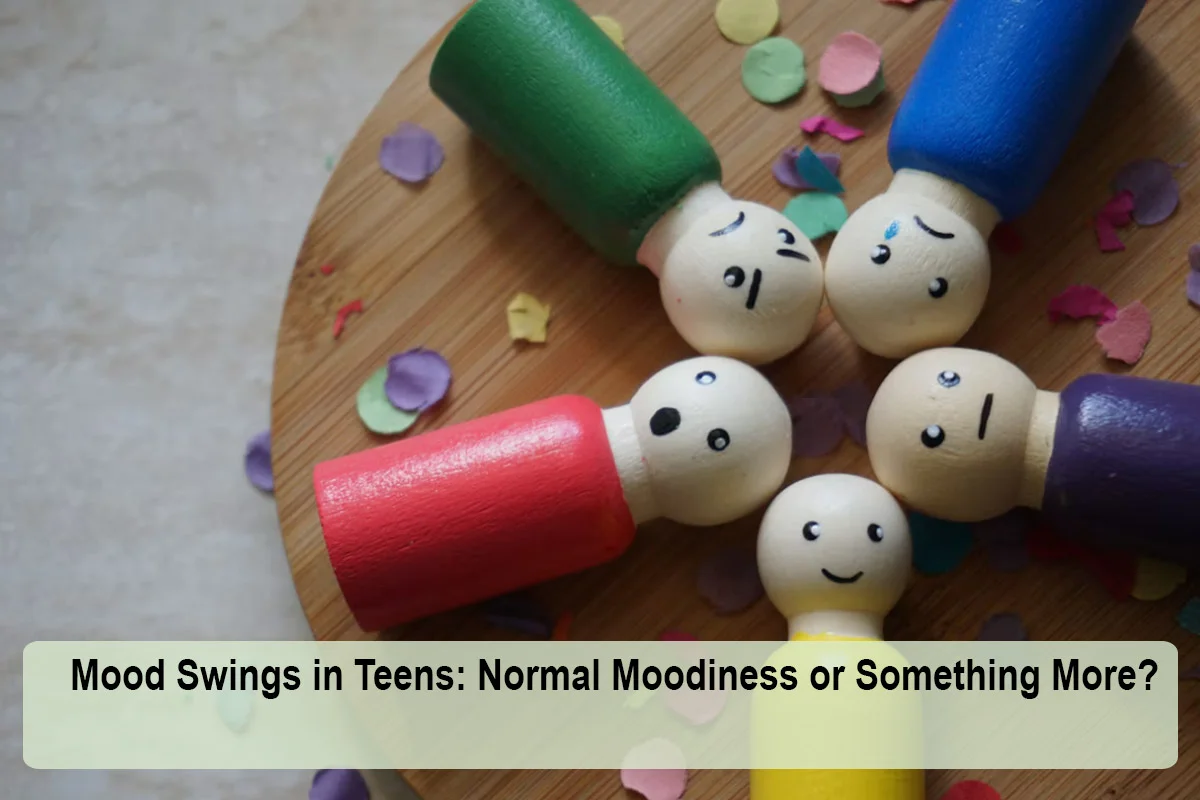
One minute your teen is laughing at the dinner table, and the next they are slamming their bedroom door in tears or fury. Mood swings in teens are one of the most common and confusing parts of adolescence. Most of the time, they are a normal result of hormones, brain development, stress, and sleep loss. But sometimes intense or long-lasting mood changes can signal depression, anxiety, bipolar disorder, substance use, or another condition that needs attention. This guide explains what causes teen mood swings, how to tell normal moodiness from a mental health concern, how parents can respond in the moment, ways to help teens manage their emotions, and when to get professional help.
Yes, to a degree. Adolescence brings rapid physical, emotional, and social change. Teens often feel emotions more intensely than adults and can shift from happy to irritable or sad quickly, especially when they are tired, stressed, or hungry. Normal teen mood swings tend to be brief, linked to specific events, and do not seriously interfere with school, friendships, or daily life.
The National Institute of Mental Health explains in The Teen Brain: 7 Things to Know that the brain keeps developing into the mid to late 20s. The emotional centers are very active during adolescence, while the prefrontal cortex, which helps regulate emotions and impulses, matures last. This mismatch can make feelings intense and hard to manage.
Puberty brings surges in hormones such as estrogen, progesterone, and testosterone, which can affect mood, energy, and sensitivity. Many girls notice mood changes related to their menstrual cycle.
During puberty, teens' internal clocks shift later, making it hard to fall asleep early. Combined with early school start times, many teens are chronically sleep-deprived. The CDC reports that only 24% of high school students got at least 8 hours of sleep on school nights in 2025. Lack of sleep makes emotions harder to control.
School pressure, friendships, romantic relationships, social media, sports, and worries about the future all affect mood.
Teens are figuring out who they are and pushing for independence, which can lead to frustration and conflict with parents.
Skipped meals, too much caffeine or sugar, and lack of exercise can all contribute to irritability and energy crashes.
In teens, depression often looks like irritability, anger, and mood swings rather than only sadness. The National Institute of Mental Health estimates that 20.1% of adolescents ages 12 to 17 had a major depressive episode in 2021. Learn more about depression treatment.
Anxious teens may become irritable, tearful, or angry when overwhelmed. See our page on anxiety treatment.
Bipolar disorder involves distinct episodes of depression and mania or hypomania that last days to weeks, not just hours. NIMH estimates that 2.9% of adolescents ages 13 to 18 have had bipolar disorder at some point. Signs of mania can include unusually elevated or irritable mood, needing very little sleep without feeling tired, racing thoughts, talking very fast, grandiose ideas, and risky behavior. Learn more about bipolar disorder treatment.
Teens with ADHD often have trouble regulating emotions and may react quickly and intensely to frustration.
Teens who have experienced trauma may have sudden emotional reactions triggered by reminders, along with irritability and difficulty calming down.
Some teen girls experience severe mood changes, irritability, or depression in the week or two before their period, beyond typical PMS. A doctor can help evaluate and treat this.
Alcohol, cannabis, vaping, and other drugs can cause mood swings, and withdrawal between uses can increase irritability and anxiety.
| Usually Normal | May Signal a Problem |
|---|---|
| Mood shifts that last minutes or hours | Moods that last for days or weeks |
| Reactions tied to clear events | Intense moods with no clear trigger |
| Still functions at school and with friends | Falling grades, withdrawal, or school refusal |
| Sleep is short but consistent | Barely sleeping without feeling tired, or sleeping all the time |
| Irritability that passes | Aggression, violence, or extreme risk-taking |
| Generally hopeful about the future | Hopelessness or talk of self-harm or suicide |
| Instead of Saying | Try Saying |
|---|---|
| "Calm down!" | "I can see you are really upset. I am here." |
| "You are being dramatic." | "That sounds frustrating. Want to talk or need some space?" |
| "It is just your hormones." | "Your feelings make sense. Let's figure out what might help." |
| "Go to your room until you can act normal." | "Let's take a break and talk when we both feel calmer." |
Mood swings can look different depending on the teen. Some boys express distress mostly as anger, irritability, or withdrawal, while some girls may show more tearfulness, anxiety, or self-criticism. CDC data from 2023 shows that 52.6% of high school girls and 27.7% of boys reported persistent sadness or hopelessness. These are broad patterns, not rules, and any teen can express mood changes in any of these ways.
Tracking moods can help teens and parents spot patterns. Encourage your teen to rate their mood once or twice a day and note sleep, meals, activities, and anything stressful that happened. Over a few weeks, patterns often emerge, such as worse moods after late nights, before tests, or at certain points in a menstrual cycle. A mood journal is also useful information to share with a doctor or therapist.
Living with a moody teen can be draining. Take breaks, share the load with a partner or friend, and remember that your teen's mood swings are rarely about you. Staying calm and steady is one of the most helpful things you can offer.
Talk to your teen's doctor or a mental health professional if mood swings:
Treatment may include cognitive behavioral therapy, dialectical behavior therapy for emotion regulation, family therapy, and medication when appropriate. Related guides include teen anger toward mothers and teen emotional numbness. Browse programs on our adolescent treatment page, including Nexus Teen Academy in Scottsdale and Nexus Teen Academy in Cave Creek. If your teen is in crisis, call or text 988.
Most importantly, stay connected. Teens who feel understood and supported at home are better able to ride out emotional ups and downs and more likely to tell you when something is really wrong.
Mood swings in teens are usually a normal result of brain development, hormones, sleep loss, and stress. They become concerning when they last for days or weeks, appear without clear triggers, interfere with daily life, or come with signs of depression, mania, aggression, substance use, or self-harm. Stay calm, validate feelings while setting limits, support sleep, nutrition, exercise, and coping skills, and seek professional help when warning signs appear.
This article was reviewed by the RehabsNearMe Editorial Team for accuracy, clarity, and relevance. Information may be sourced from publicly available treatment resources, government agencies, and healthcare references where applicable.
Last reviewed: October 2026
Resources
 Resources
 Resources
 Resources