
 Resources
Teen Gives Up on School? Why It Happens and How to Help
Published On 25-10-2026
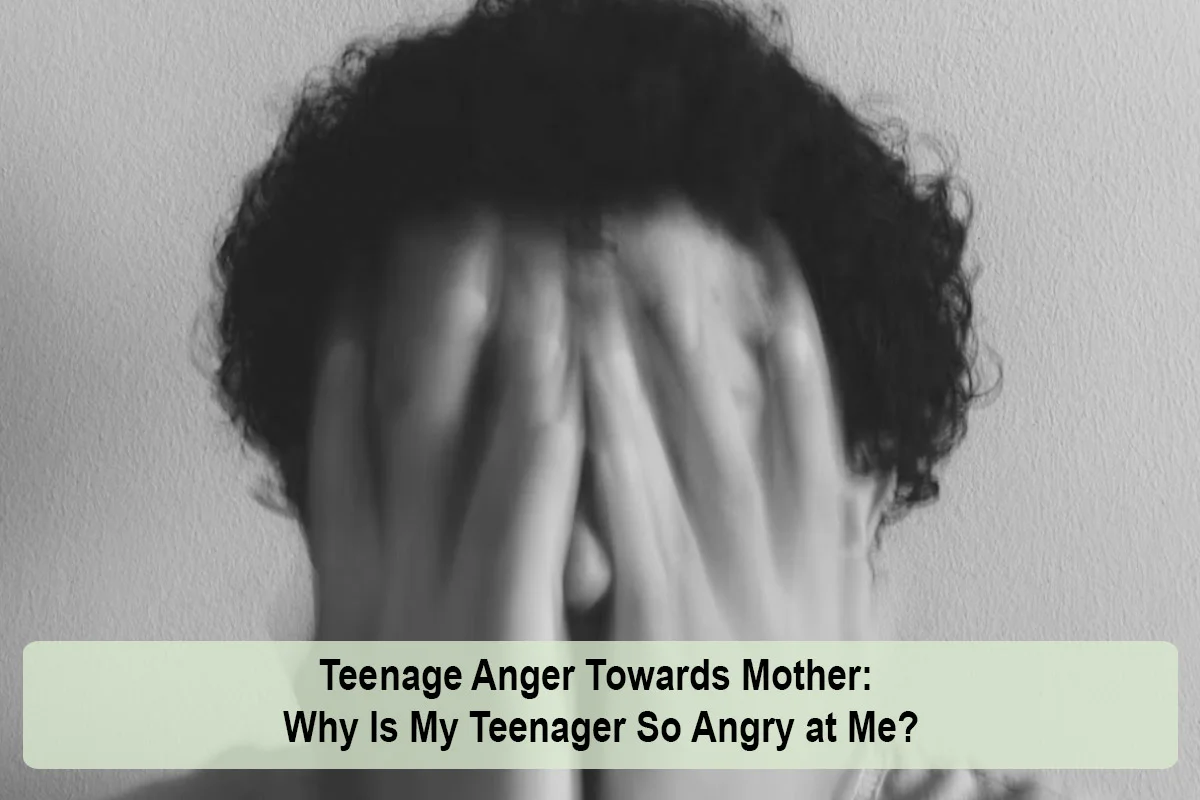
If your teenager is calm with friends, polite with teachers, and furious with you, you are not imagining it, and you are far from alone. Whether it is a teenage son angry at his mother or a teenage daughter who seems to resent everything mom says, the question "why is my teenager so angry at me?" is one of the most searched parenting worries. Teenage anger towards mothers is one of the most common worries parents bring to family therapists. A slammed door, a cutting remark, or a blowup over something small can leave a mother wondering what she did wrong and whether the relationship will ever feel close again. This guide explains why teen anger so often lands on mom, which behaviors are a normal part of growing up, which signal something deeper such as depression, anxiety, trauma, or substance use, and what you can do at home before and after you decide to seek professional help.
Some anger at a parent is a normal part of adolescence. Teens are working to become separate people with their own opinions, values, and identities. That process almost always involves pushing against the adult who is closest and most involved in daily life, and in many families that adult is mom. Eye rolling, arguing about rules, wanting more privacy, and occasional angry outbursts are common. What matters most is the intensity, frequency, and impact of the anger, not whether it happens at all.
It also helps to know that today's teens are carrying a heavy emotional load. The CDC's 2023 Youth Risk Behavior Survey found that 39.7% of U.S. high school students reported persistent feelings of sadness or hopelessness, including 52.6% of female students and 27.7% of male students. In teenagers, sadness and stress frequently show up on the outside as irritability and anger rather than tears.
According to the National Institute of Mental Health's guide The Teen Brain: 7 Things to Know, the brain keeps maturing into the mid to late 20s, and the prefrontal cortex, which handles planning, judgment, and impulse control, is among the last regions to mature. Meanwhile, emotional and reward systems are highly active. The result is a teen who feels emotions intensely but does not yet have a fully developed brake pedal. Hormonal changes during puberty add to mood swings and sensitivity.
Many teens hold it together all day at school, at practice, and with friends, then release built-up frustration at home. The person who receives the most of that release is often the parent they trust most not to leave. Attachment researchers describe a secure parent as a "safe base." Paradoxically, a teen who lashes out at mom may feel most secure with her. That does not make disrespect acceptable, but it can change how you interpret it: the anger is often less a verdict on you and more a sign that your child feels safe enough to fall apart in front of you.
In many households, mothers manage the day to day details: homework, screens, curfews, appointments, chores. That makes mom the person who says "no" most often, so she becomes the face of every limit a teen resents.
To build an identity, teens need to feel different from their parents. When the bond with mom has been especially close, pulling away can take more force, and that force can come out as irritation, criticism, or anger.
Use this comparison as a starting point. One hard week does not mean something is wrong, but a pattern that lasts several weeks or keeps escalating deserves attention.
| Usually Part of Normal Development | May Signal a Deeper Problem |
|---|---|
| Arguing about rules, curfews, or screen time | Constant hostility that dominates most interactions |
| Occasional slammed doors or raised voices | Breaking things, punching walls, or physical aggression toward people or pets |
| Wanting more privacy and time with friends | Withdrawing from friends and activities they used to enjoy |
| Moodiness that passes within hours or a day | Irritability or sadness lasting most of the day for two weeks or more |
| Calming down and reconnecting after a fight | Never repairing, or anger that keeps escalating over months |
| Frustration tied to clear events | Rage that seems out of proportion or comes out of nowhere |
| Normal changes in appetite and sleep during growth spurts | Major changes in sleep, eating, grades, or hygiene |
| Sarcasm or eye rolling | Threats, talk of self-harm, or statements like "everyone would be better off without me" |
Anger toward mom shows up in both boys and girls, but it can look different. CDC data for children ages 3 to 17 shows boys are about twice as likely as girls to have a diagnosed behavior disorder (10% vs. 5%), while girls are more likely to have diagnosed anxiety (13% vs. 10%) and depression (5% vs. 3%). In practice, a teenage son angry at his mother may be more likely to yell, slam doors, or act out physically, while a teenage daughter angry at her mother may be more likely to use sharp words, silence, or withdrawal, and her anger may sit on top of anxiety or sadness. These are broad patterns, not rules. Every teen is different, and the same warning signs apply to sons and daughters alike.
Teen anger is often the most visible sign of something harder to see. CDC children's mental health data for 2023 to 2024 shows that among children ages 3 to 17, about 11% had current diagnosed anxiety, 8% had a current diagnosed behavior disorder, and 4% had current diagnosed depression. Many more struggle without a diagnosis.
Conflict does not have to break a relationship. Repair after conflict is what builds trust. Some ways to rebuild connection:
Consider reaching out to your teen's pediatrician, a licensed therapist, or an adolescent treatment program if:
If your teen talks about suicide or self-harm, or anyone is in immediate danger, call or text the 988 Suicide and Crisis Lifeline or call 911.
| Approach | How It Helps With Teen Anger |
|---|---|
| Cognitive behavioral therapy (CBT) | Helps teens notice thoughts that fuel anger and practice calmer responses |
| Dialectical behavior therapy (DBT) | Teaches emotion regulation, distress tolerance, and interpersonal skills |
| Family therapy | Improves communication patterns and helps parents and teens repair conflict together |
| Attachment based family therapy | Focuses on rebuilding trust between parent and teen, often used when depression is present |
| Trauma specific therapy | Addresses past experiences driving hypervigilance and reactive anger |
| Outpatient, intensive outpatient, or residential care | Provides more structure when anger, mental health symptoms, or substance use are not improving with weekly therapy |
Our overview of anger treatment and our guide to professional anger management care explain these options in more detail. Programs that actively involve parents, like those in our family involvement listings, tend to fit this issue especially well because the relationship itself is part of the treatment.
Specialized adolescent programs understand teen development and know how to engage young people who did not choose treatment themselves. You can browse programs on our adolescent treatment page. Examples include Nexus Teen Academy in Scottsdale and Nexus Teen Academy in Cave Creek in Arizona, and Polaris Teen Center and Hillcrest Adolescent Treatment Center in Southern California. For free, confidential referrals, contact the SAMHSA National Helpline at 1-800-662-4357 or search FindTreatment.gov.
Teenage anger towards a mother is often rooted in normal development: a brain still learning impulse control, a growing need for independence, and a deep sense that mom is safe enough to take the hardest feelings. Staying calm, validating feelings while holding limits, and repairing after conflict can steadily reduce blowups. But when anger is constant, aggressive, or paired with signs of depression, anxiety, trauma, or substance use, it is a signal to get help. Reaching out is not a failure as a parent. It is one of the most protective things you can do for your teen and for your relationship.
This article was reviewed by the RehabsNearMe Editorial Team for accuracy, clarity, and relevance. Information may be sourced from publicly available treatment resources, government agencies, and healthcare references where applicable.
Last reviewed: October 2026
Resources
 Resources
 Resources
 Resources