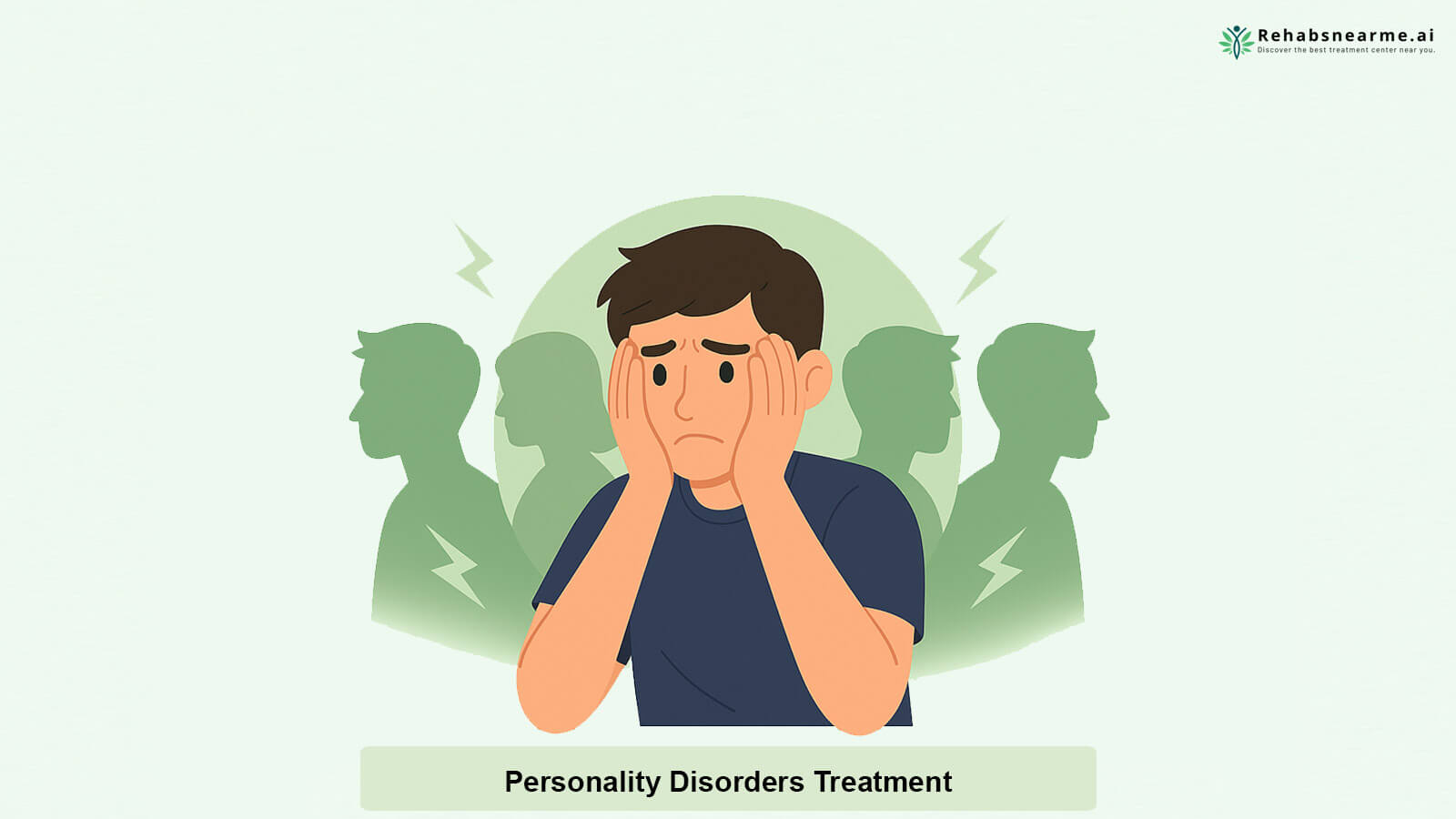
Personality Disorders: Types, Symptoms, Causes & Best Treatment Options
Personality disorders are chronic mental health conditions that affect the way a person thinks, feels, and interacts with others. These patterns are long-lasting, inflexible, and deviate from cultural expectations—often causing relationship problems, emotional distress, and difficulty functioning in daily life.
According to the DSM-5, there are 10 personality disorders, grouped into three clusters based on symptom patterns: Cluster A (odd/eccentric), Cluster B (dramatic/emotional), and Cluster C (anxious/fearful). Understanding these personality disorder types can help individuals seek proper evaluation and treatment.
Cluster A Personality Disorders (Odd or Eccentric)
People with Cluster A disorders often struggle with social withdrawal, distrust, and unusual thought patterns.
- Paranoid Personality Disorder Marked by chronic suspicion, mistrust, hypervigilance, and interpreting others’ neutral actions as threatening.
- Schizoid Personality Disorder Individuals prefer isolation, display limited emotional expression, and may appear detached or uninterested in relationships.
- Schizotypal Personality Disorder Characterized by eccentric behavior, unusual beliefs, odd thinking, social anxiety, and difficulty forming close relationships.
Cluster B Personality Disorders (Dramatic, Emotional, or Erratic)
Cluster B disorders involve intense emotions, impulsive actions, and unpredictable behavior.
- Antisocial Personality Disorder Includes disregard for others’ rights, lack of empathy, chronic rule-breaking, impulsivity, and manipulative behavior.
- Borderline Personality Disorder Defined by emotional instability, fear of abandonment, impulsivity, unstable relationships, mood swings, and self-harm risk.
- Histrionic Personality Disorder Involves excessive attention-seeking behavior, exaggerated emotions, dependence on approval, and dramatic expression.
- Narcissistic Personality Disorder Features grandiosity, entitlement, need for admiration, lack of empathy, and exploiting others—often masking deep insecurity.
Cluster C Personality Disorders (Anxious or Fearful)
These disorders feature chronic anxiety, fear of rejection, and a strong need for control or reassurance.
- Avoidant Personality Disorder Includes extreme social anxiety, fear of criticism, inadequacy, and avoidance of social situations.
- Dependent Personality Disorder Characterized by an excessive need to be taken care of, difficulty making decisions, fear of abandonment, and relying heavily on others.
- Obsessive-Compulsive Personality Disorder (OCPD) Defined by rigid perfectionism, preoccupation with rules, orderliness, control, and difficulty being flexible.
Causes of Personality Disorders
Although the exact causes vary, research identifies several major influences:
- Genetics & family history
- Childhood trauma and adverse experiences
- Brain structure and function differences
- Cultural, social, and environmental factors
- Neglect, abandonment, or inconsistent parenting
Personality disorders often develop as coping mechanisms during childhood and continue into adulthood if unaddressed.
How to Talk to a Provider About Personality Disorders
If you notice signs of a personality disorder in yourself or a loved one, speaking with a mental health professional—such as a psychologist, psychiatrist, or licensed therapist—is essential.
Before your appointment, keep track of symptoms and patterns. During the consultation, consider asking:
- Who can properly diagnose a personality disorder?
- What symptoms or behaviors should I monitor?
- What factors may have contributed to this condition?
- What treatment options do you recommend?
- How do I manage long-term symptoms?
A provider will use DSM-5 criteria, psychological testing, and clinical interviews to determine whether a personality disorder is present.
Diagnosis typically requires symptoms that affect:
- Thinking patterns
- Emotional regulation
- Relationships
- Impulse control
Most diagnoses occur after age 18 since personality continues developing through adolescence.
Personality Disorder Treatment Options
While personality disorders can be challenging to treat, long-term therapy and structured programs are highly effective. Treatment focuses on emotional regulation, behavior change, and relationship skills.
Common Evidence-Based Therapies Include:
- Dialectical Behavior Therapy (DBT) One of the most effective treatments, especially for Borderline Personality Disorder. Focuses on emotional regulation, distress tolerance, and healthier coping skills.
- Cognitive Behavioral Therapy (CBT) Helps reframe negative thoughts, manage behaviors, and improve decision-making.
- Schema Therapy Targets long-standing emotional patterns formed during childhood.
- Family Therapy Improves family communication, establishes boundaries, and teaches supportive behaviors.
- Psychoeducation Helps individuals and families understand the disorder, treatment options, and relapse-prevention strategies.
Levels of Care for Personality Disorders
Depending on symptom severity, you may need different types of treatment:
- Outpatient Treatment Individual or group therapy 1–2 times per week.
- Intensive Outpatient Program (IOP) 3–5 days weekly for several hours per session.
- Partial Hospitalization Program (PHP) Full-day structured treatment 5–7 days per week.
- Residential / Inpatient Treatment 24/7 care at a mental health treatment center—ideal for severe symptoms, unsafe environments, or co-occurring disorders.
Hope for Recovery
Although personality disorders are long-term conditions, symptoms are manageable with the right treatment plan. With consistent therapy, support, and self-awareness, individuals can build healthier relationships, reduce emotional distress, and create a more fulfilling life.