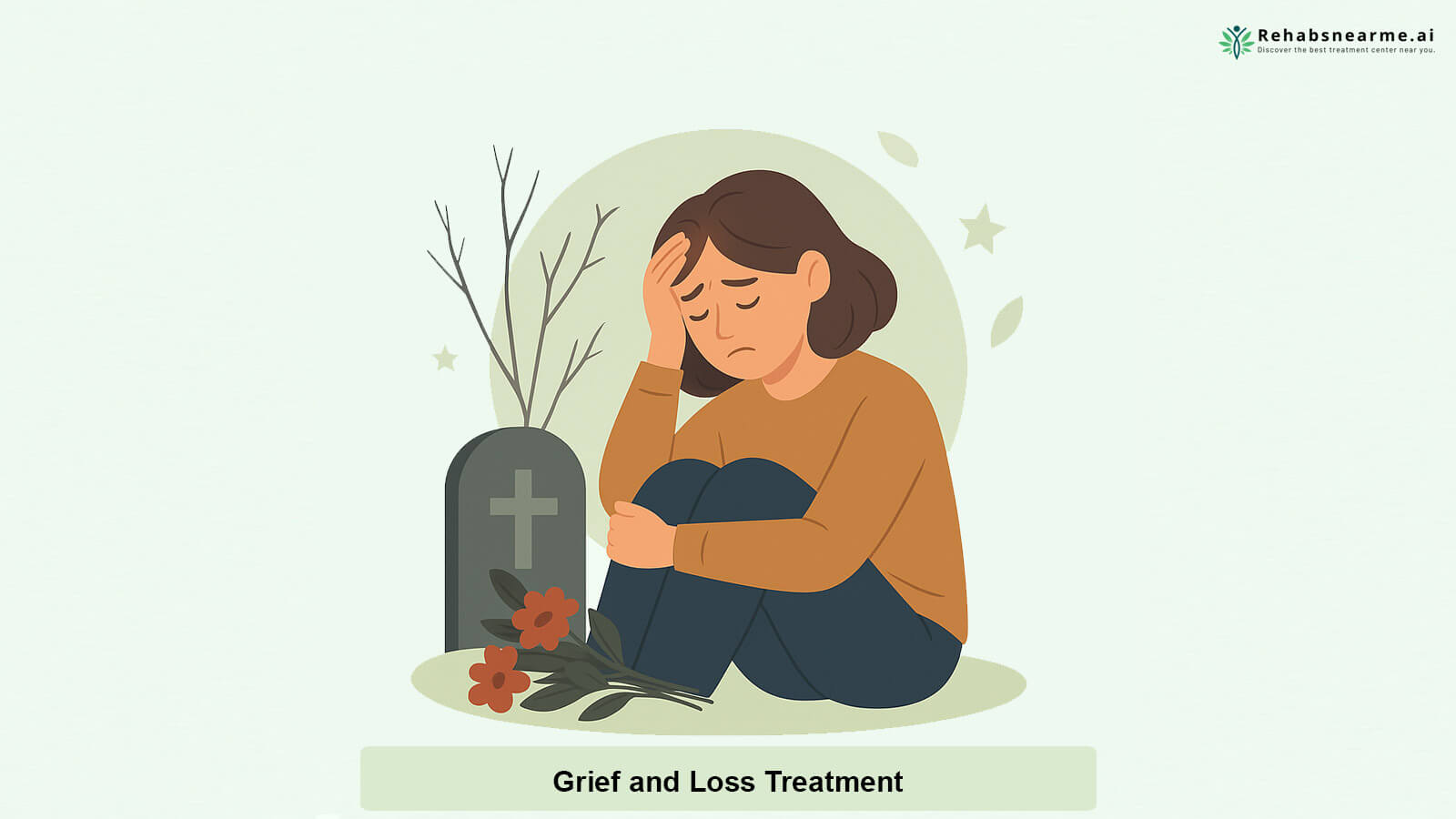
Losing a loved one is one of life’s most painful experiences. Whether the loss was sudden or followed a long illness, grief is a natural emotional response. Everyone grieves differently, and there is no "right" way to move through the grieving process. Understanding how grief affects your mind and body can help normalize your feelings and guide you in recognizing when to seek additional support or grief counseling.
Symptoms of Grief and Loss
Grief can affect every part of your life—emotionally, physically, and mentally. The well-known five stages of grief (denial, anger, bargaining, depression, acceptance) do not always happen in order. You may cycle through them multiple times or feel several stages at once.
Emotional Symptoms
- Deep sadness or emotional numbness
- Irritability, anger, or guilt
- Anxiety or fear about the future
- Loneliness or isolation
- Mood swings or emotional overwhelm
Physical Symptoms
- Fatigue or low energy
- Sleep disturbances (insomnia or oversleeping)
- Headaches, aches, or physical tension
- Changes in appetite or weight
- Feeling physically run-down
Cognitive Symptoms
- Difficulty concentrating
- Forgetfulness or confusion
- Preoccupation with memories of the loved one
- Denial or disbelief
- Loss of interest in daily activities and hobbies
Everyone’s grief symptoms look different, and all reactions to loss are valid. These feelings will not last forever, and support is available.
How to Cope With the Death of a Loved One
While there is no roadmap to grief, the following strategies can support emotional healing:
Allow Yourself to Feel
Give yourself permission to experience emotions fully—sadness, anger, guilt, or confusion. Suppressing emotions can prolong the grieving process.
Lean on Support
Talking with trusted friends, family members, or support groups can provide comfort, understanding, and connection during a painful time.
Prioritize Self-Care
Healthy routines can stabilize your mood:
- Get adequate sleep
- Eat nourishing meals
- Move your body gently
- Spend time outdoors
- Journal, meditate, or engage in calming hobbies
Create Meaningful Rituals
Memorials, writing letters, or celebrating your loved one’s life can help you process emotions in a meaningful way.
Questions to Ask Your Provider
When seeking professional grief support, these questions can help guide the conversation:
- What stage of grief am I experiencing?
- Are my symptoms consistent with normal grief?
- Is grief affecting my physical or mental health?
- Could short-term medication help me cope?
- What grief counseling or support groups do you recommend?
- How do I know if my grief has become complicated grief or prolonged grief disorder?
When to Seek Professional Help for Grief
Although grief is a natural process, there are times when mental health treatment is necessary.
Signs You May Need Professional Support
- Intense or prolonged grief lasting 6+ months
- Severe emotional pain affecting work, school, or daily functioning
- Inability to cope or care for yourself
- Withdrawal from relationships
- Feeling stuck in denial, guilt, or depression
Urgent Situations
Seek immediate help if you or a loved one is experiencing:
- Suicidal thoughts or self-harming behaviors
- Extreme despair or hopelessness Call 988 (Suicide & Crisis Lifeline) or 911 if you are in immediate danger.
Higher Risk Individuals
People with pre-existing mental health conditions (anxiety, depression, substance use disorders) may be more vulnerable to complicated grief and benefit from early intervention.
Levels of Care for Grief and Loss
Grief treatment can include several levels of mental health care, depending on your needs.
- Individual Therapy One-on-one sessions with a licensed therapist to process emotions, build coping skills, and understand your grief.
- Group Therapy Supportive sessions with others experiencing loss—guided by a therapist—offering connection, shared understanding, and validation.
- Outpatient Programs (OP & IOP) Structured therapy programs offering several weekly sessions for those needing more comprehensive grief support.
- Inpatient or Residential Care For severe grief accompanied by depression, trauma, or other mental health disorders. Provides 24/7 care and intensive treatment.
Therapies Used in Grief Treatment
A personalized treatment plan may include:
- Cognitive Behavioral Therapy (CBT): Helps identify and reshape negative thought patterns tied to loss.
- Interpersonal Therapy (IPT): Addresses how grief impacts relationships and communication.
- Narrative Therapy: Helps you re-tell your story of loss in a healing, empowering way.
- Art, Music, or Drama Therapy: Helpful for people who struggle to verbalize feelings.
- Journaling and Writing Therapy: Encourages emotional expression and reflection.
- Holistic therapies: Mindfulness, meditation, yoga, and grounding techniques to reduce anxiety and stress.
A combination of therapeutic approaches is often most effective.
Moving Forward After Loss
Healing from grief is not about "getting over" your loved one—it’s about learning to integrate the loss into your life and build a new sense of normal. With the right support, coping strategies, and professional guidance, it is possible to move forward while honoring the memory of your loved one.
You don’t have to go through this alone. Compassionate, evidence-based grief counseling can help you regain stability, find meaning, and rediscover hope.