
 Resources
Scromiting: Meaning, Symptoms, Causes, and Treatment
Published On 17-11-2026
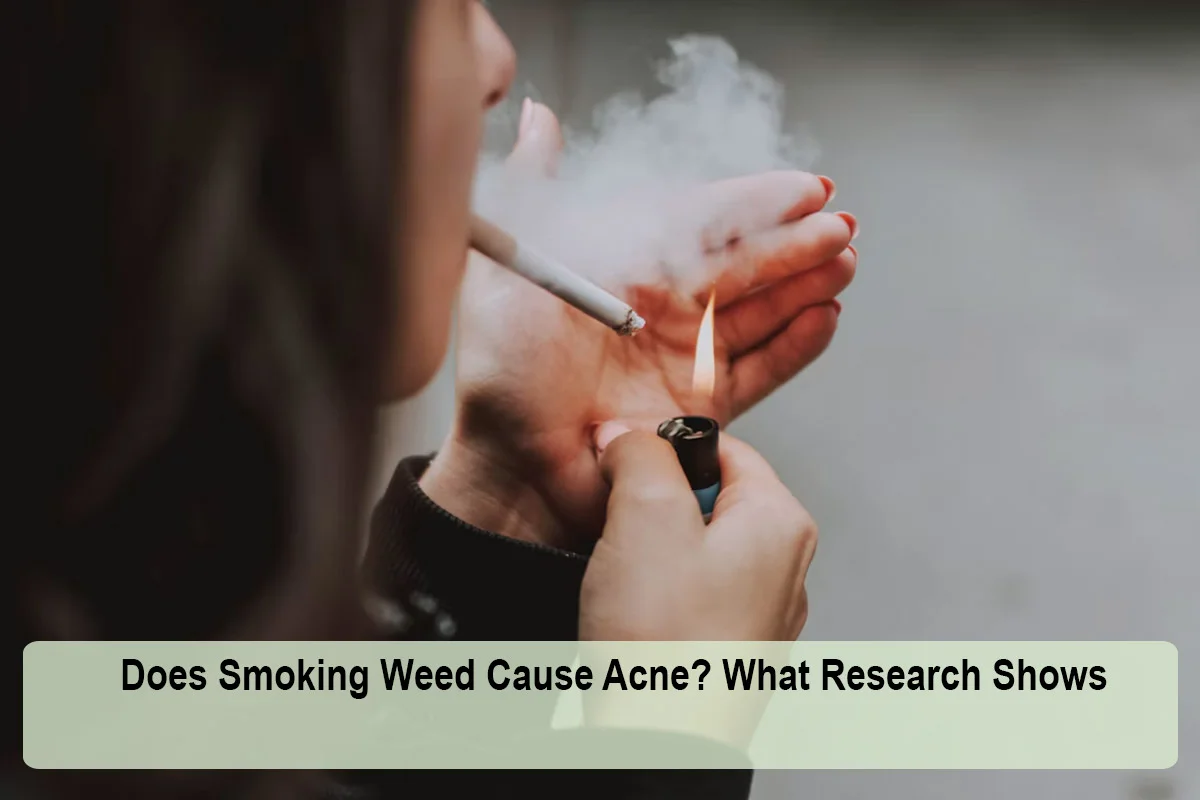
Does smoking weed cause acne? The honest answer is that no well-designed study has directly shown that cannabis causes acne. You will find plenty of confident claims online, in both directions, but the research simply has not tested the question head on. What we do have is evidence about the pathways that could connect cannabis use to breakouts: what smoke does to skin, what "the munchies" do to diet, how cannabis affects sleep and stress, and what lab studies show about compounds in the cannabis plant. This article walks through each pathway and rates how strong the evidence is, so you can make sense of your own skin.
| Possible pathway | Proposed link to acne | Strength of evidence |
|---|---|---|
| Direct effect of cannabis on acne | Weed itself causes breakouts | No direct studies |
| Munchies and diet | High-sugar, high-glycemic snacking | Low to moderate for diet and acne, according to the AAD; not studied in cannabis users specifically |
| Smoke exposure | Smoke irritates skin and adds oxidative stress | Plausible, but not well studied for cannabis and acne |
| Hormones | Changes in testosterone could increase oil production | Limited and mixed |
| Sleep and stress | Poor sleep and stress can worsen skin | Indirect |
| Habits | Touching your face, sweat and skipped skincare during use | Common sense, not studied |
| CBD applied to skin | May reduce oil and inflammation | Lab studies only |
Cannabis is well known for increasing appetite. That is why a synthetic form of THC is prescribed to stimulate appetite in some medical conditions. When people get the munchies, they often reach for chips, candy, pastries, soda and other high-glycemic foods.
Does diet matter for acne? The American Academy of Dermatology reports that findings from small studies suggest a low-glycemic diet may reduce acne, though other studies have not found a connection. The AAD also describes observational studies linking cow's milk, including skim milk, to acne; in one study, women who drank two or more glasses of skim milk daily were 44% more likely to have acne. These studies show associations, not proof of cause, and none looked at cannabis users specifically. Still, if your cannabis use comes with frequent sugary snacking, diet is a reasonable place to start.
Smoke of any kind exposes the face to heat, particles and chemicals that can irritate skin and contribute to oxidative stress. Holding a joint or pipe near the face, and touching your face with your hands afterward, adds to that exposure. While this is plausible, it has not been carefully studied for cannabis smoke and acne. Vaping and edibles avoid smoke on the skin, but vapes carry their own lung risks; see our guide to dabs, wax pens and carts.
Acne is driven partly by androgens, hormones such as testosterone that increase oil production. Some people claim cannabis raises testosterone and therefore causes acne. Research on cannabis and testosterone is limited and has produced mixed results, so there is no reliable evidence that cannabis use changes hormones enough to cause breakouts.
Many people use cannabis to relax or sleep, but regular use can affect sleep quality, and withdrawal can cause sleep problems. Stress and poor sleep are commonly associated with flare-ups of skin conditions. For teens especially, sleep is already short: the CDC reports that about 7 in 10 high school students do not get enough sleep on school nights. See our guide to marijuana withdrawal symptoms for sleep effects when stopping.
Interestingly, some compounds in cannabis may have the opposite effect. A 2014 study in the Journal of Clinical Investigation found that cannabidiol (CBD) reduced oil production, slowed the growth of oil-producing cells and had anti-inflammatory effects in cultured human sebocytes and skin tissue. The authors suggested CBD could be a potential acne treatment. But this was lab research, not a clinical trial in people, and it involved CBD applied to cells, not smoking cannabis. Smoking weed does not deliver CBD to your skin the way a lab experiment does.
| Form | Possible skin factors | Other health considerations |
|---|---|---|
| Smoking | Smoke on face, touching face, munchies | Lung irritation; smoke exposure |
| Vaping | Less smoke, but munchies and habits remain | Vaping-related lung injury and high-potency products |
| Edibles | No smoke; munchies and sugar in some products | Delayed effects; risk of taking too much; accidental ingestion by children |
| CBD skincare | Lab evidence for reduced oil and inflammation; clinical evidence limited | Products vary in quality and labeling |
| Myth | Fact |
|---|---|
| "Weed is proven to cause acne." | No well-designed study has directly shown this. |
| "Weed is good for your skin." | Lab studies on CBD are promising, but smoking cannabis does not deliver those effects to skin. |
| "Edibles can't affect your skin." | Edibles avoid smoke, but sugary products and the munchies may still matter. |
| "If you break out, it must be the weed." | Acne has many causes, including hormones, genetics, diet, stress, sleep and skincare products. |
Acne is common, cannabis use is common, and both are influenced by age, hormones, diet, stress and genetics. Untangling cause and effect would require studies that track cannabis users' skin over time while accounting for those other factors, or trials that are difficult to run ethically. Until that research exists, the most honest answer is that cannabis may affect skin indirectly for some people, and that individual tracking is the best way to learn whether it affects yours. Be cautious of websites selling skincare or cannabis products that claim certainty in either direction.
Acne is extremely common in adolescence, so teens may blame weed for breakouts that would have happened anyway. Cannabis use is also common: the 2025 Monitoring the Future survey found past-year marijuana use among 26% of 12th graders, 16% of 10th graders and 8% of 8th graders. For teens, the bigger concern is not skin but the effects of cannabis on the developing brain, mood, motivation and school. Parents can read what to do if your teen is smoking weed and what to do if you find weed in your teen's room.
| Track daily | Why |
|---|---|
| Cannabis use (yes or no, and form) | To compare skin on use and non-use days |
| Snacks and sugary drinks | To spot munchie-related diet changes |
| Hours of sleep | Poor sleep can affect skin and stress |
| Stress level from 1 to 10 | Stress is linked with flare-ups |
| New breakouts | Your main outcome |
A simple notes app works. Patterns over two weeks are more informative than one bad day. Keep in mind that acne often lags behind triggers by days or weeks, so longer tracking can help.
If you are using cannabis daily, finding it hard to cut back, using to cope with stress or sleep, or noticing effects on work, school or relationships, those concerns matter more than any breakout. Learn about cannabis use disorder, compare marijuana addiction treatment or call the SAMHSA National Helpline at 1-800-662-4357. You can also search FindTreatment.gov.
Being honest about cannabis use helps your provider see the full picture.
There is no direct proof that smoking weed causes acne. The most plausible links are indirect: munchie-driven diets high in sugar, smoke and hand contact on the face, disrupted sleep and stress. Hormone effects are unproven, and lab studies even suggest CBD may calm oil glands. If your skin seems worse when you use cannabis, track the pattern, adjust snacks, sleep and skincare, and see a dermatologist for persistent acne. And if cannabis itself has become hard to control, that is the issue worth addressing first.
This article was reviewed by the RehabsNearMe Editorial Team for accuracy, clarity, and relevance. Information may be sourced from publicly available treatment resources, government agencies, and healthcare references where applicable.
Last reviewed: November 2026
Resources
 Resources
 Resources
 Resources