
 Resources
What Does D.A.R.E. Stand For? Drug Education Explained
Published On 17-11-2026
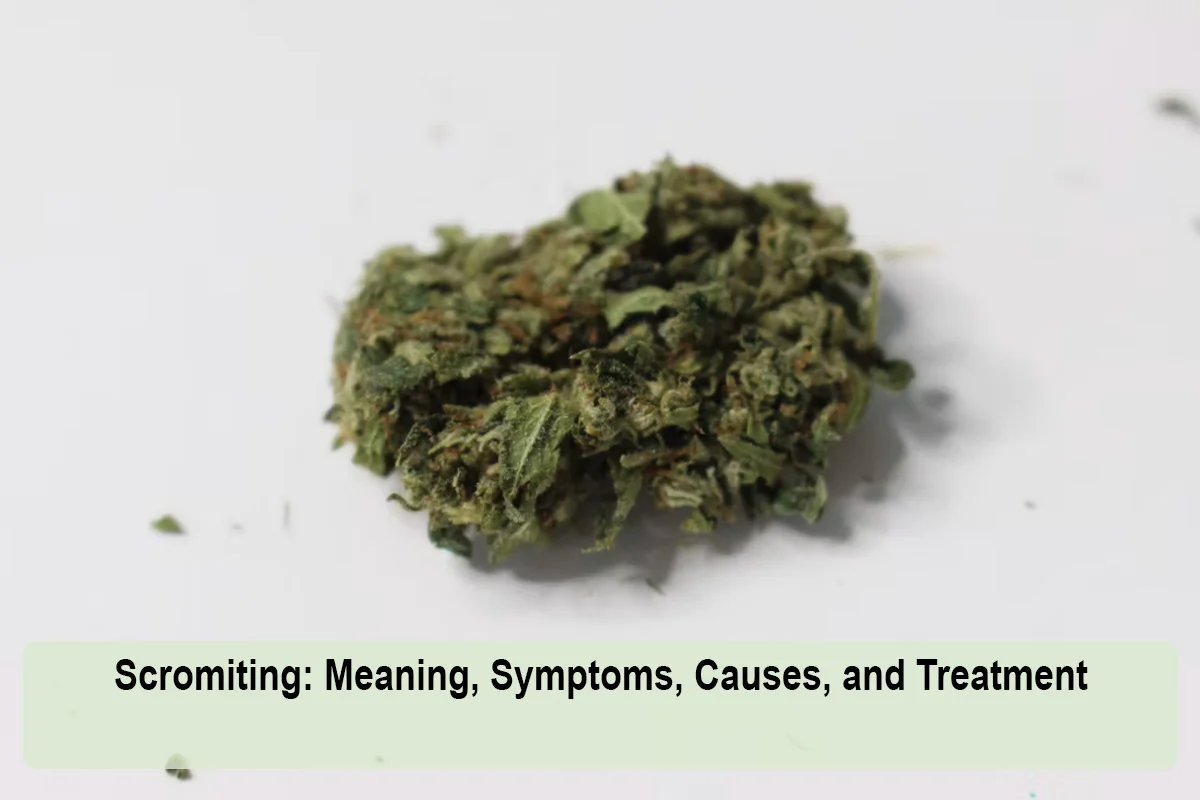
Scromiting is slang for screaming while vomiting, a symptom most often linked to cannabinoid hyperemesis syndrome (CHS), a condition in which long-term, frequent cannabis use causes repeated episodes of severe nausea, vomiting and abdominal pain. The word blends "scream" and "vomit," and it went viral because the episodes can be so intense that people cry out in pain. CHS surprises many users, because cannabis is often thought of as something that reduces nausea. This guide explains what scromiting is, the warning signs, why it happens, how emergency departments treat it, and the one treatment that reliably stops it.
Go to an emergency department or call 911 if vomiting will not stop, you cannot keep fluids down, you feel faint or confused, you are urinating very little, or you have severe abdominal or chest pain. CHS can cause dangerous dehydration and kidney problems.
"Scromiting" is not a medical term. It is a social media and emergency room nickname for the extreme vomiting and pain that can occur with cannabinoid hyperemesis syndrome. A review in Medical Cannabis and Cannabinoids describes CHS as a paradoxical condition in which a long-term cannabis user suffers an episode of intractable vomiting that may last days, separated by symptom-free periods of weeks or months.
| Symptom | What it often looks like |
|---|---|
| Repeated vomiting | Vomiting many times an hour, sometimes for a day or more |
| Severe nausea | Persistent and not relieved by usual anti-nausea medicines |
| Abdominal pain | Cramping or diffuse pain, which can be intense enough to cause screaming |
| Compulsive hot showers or baths | Taking long, very hot showers repeatedly because they bring relief |
| Dehydration signs | Thirst, dry mouth, dizziness, little urine |
| Weight loss | From repeated episodes and poor appetite |
| Sweating and flushing | Feeling hot or clammy during episodes |
The hot-shower pattern is so characteristic that clinicians often ask about it. The emergency medicine guidance from Emergency Care BC lists compulsive hot showers or baths that relieve symptoms among the major features of CHS, along with weekly or more frequent cannabis use for longer than a year, severe cyclic nausea and vomiting, abdominal pain and age under 50.
The exact cause is not fully understood. The leading explanations involve how heavy, long-term cannabis use affects the body's endocannabinoid system, which helps regulate nausea, digestion and body temperature. In small or occasional doses, THC can reduce nausea. With heavy, frequent use over time, the system may become dysregulated, producing the opposite effect.
Risk appears higher with:
One theory about hot showers involves a heat-sensitive receptor in the body (TRPV1) that is also activated by capsaicin, the compound in chili peppers. That is why capsaicin cream on the abdomen is sometimes used as a treatment.
Emergency visits for CHS have risen sharply in places where cannabis has become widely available. A 2022 study in JAMA Network Open examined Ontario, Canada, and found that emergency visits for cannabis hyperemesis syndrome rose about 13-fold over 7.5 years, across nearly 13,000 visits. The researchers found legalization alone was not linked to the increase, but the expansion of the commercial market, which overlapped with the COVID-19 pandemic, was.
There is no single test for CHS. Doctors diagnose it by looking at the pattern of symptoms and cannabis use, and by ruling out other causes such as:
Because CHS is often missed at first, people sometimes go through repeated emergency visits, scans and tests before getting the diagnosis. Being honest with clinicians about cannabis use helps get the right answer faster.
Emergency treatment focuses on stopping the vomiting and correcting dehydration.
| Treatment | Purpose |
|---|---|
| IV fluids | Replace lost fluids and protect the kidneys; electrolytes are monitored |
| Certain anti-nausea and antipsychotic medicines, such as haloperidol | Often work better than standard anti-nausea drugs for CHS |
| Topical capsaicin cream on the abdomen | May ease nausea in a similar way to hot showers |
| Hot showers | Temporary relief |
Emergency Care BC notes that common anti-nausea medicines are often ineffective in CHS and that opioids should be avoided. Medication decisions belong to the treating clinician.
Hot showers and hospital medicines treat episodes. They do not prevent the next one. According to Emergency Care BC, stopping cannabis is the only definitive treatment, and it resolved CHS in 96.8% of cases in the evidence it cites. Restarting cannabis typically brings CHS back.
That can be harder than it sounds. Many people with CHS use cannabis daily, sometimes to manage anxiety, sleep or pain, and may have cannabis use disorder. Quitting can also cause withdrawal symptoms such as irritability, poor sleep, vivid dreams, low appetite and anxiety. Our marijuana withdrawal timeline explains what to expect and when symptoms usually ease.
| Condition | Key difference |
|---|---|
| Cannabinoid hyperemesis syndrome | Linked to long-term, frequent cannabis use; hot showers relieve symptoms; resolves after stopping cannabis |
| Cyclic vomiting syndrome | Similar repeated episodes, but not caused by cannabis; often linked to migraine history |
| Stomach virus | Usually comes with diarrhea, often affects others nearby, resolves in a few days |
| Food poisoning | Starts hours after a specific meal and passes quickly |
| Too much THC at once ("greening out") | Nausea and anxiety after a single large dose, especially edibles; not a repeating pattern |
Not automatically, but the two often overlap. CHS mostly affects people who use cannabis daily or near-daily for a long time. If you have had episodes and still find it hard to stop, or you keep using despite health, work or relationship problems, those are signs of cannabis use disorder. The good news is that the same treatments that help other substance use disorders, such as counseling, peer support and treatment for underlying anxiety or sleep problems, work for cannabis too.
If someone you love keeps ending up in the emergency department with vomiting, ask gently about cannabis use and share what you have learned about CHS. Many people have never heard of it and assume cannabis is helping their nausea. Encourage them to tell their doctor about their use, offer to help them plan to quit, and avoid shaming, which tends to push people away from help.
This is one of the most common questions after a diagnosis. The evidence suggests that restarting cannabis usually brings CHS back, sometimes quickly, and that later episodes can be just as severe. Some people try switching to lower-potency products or using less often, but there is no proven safe level for someone who has had CHS. Most clinicians recommend stopping completely. If you are considering using again, talk honestly with your doctor first and watch closely for early warning signs such as morning nausea or a return to hot showers.
If you have had CHS and are struggling to stop using cannabis, or you use cannabis to manage anxiety, depression or sleep problems, professional support can help. Our directory lists programs for marijuana addiction and outpatient treatment that can fit around work or school. Parents worried about a teen can start with our guide on what to do when your teen is smoking weed.
Scromiting is the viral name for the extreme vomiting and pain of cannabinoid hyperemesis syndrome. It is becoming more common as high-potency cannabis spreads, it can be dangerous, and it is often missed. Hot showers and hospital care can ease an episode, but the only reliable way to stop CHS is to stop using cannabis. If that feels hard, you are not alone, and effective help is available.
This article was reviewed by the RehabsNearMe Editorial Team for accuracy, clarity, and relevance. Information may be sourced from publicly available treatment resources, government agencies, and healthcare references where applicable.
Last reviewed: November 2026
Resources
 Resources
 Resources
 Resources