
 Resources
Scromiting: Meaning, Symptoms, Causes, and Treatment
Published On 17-11-2026
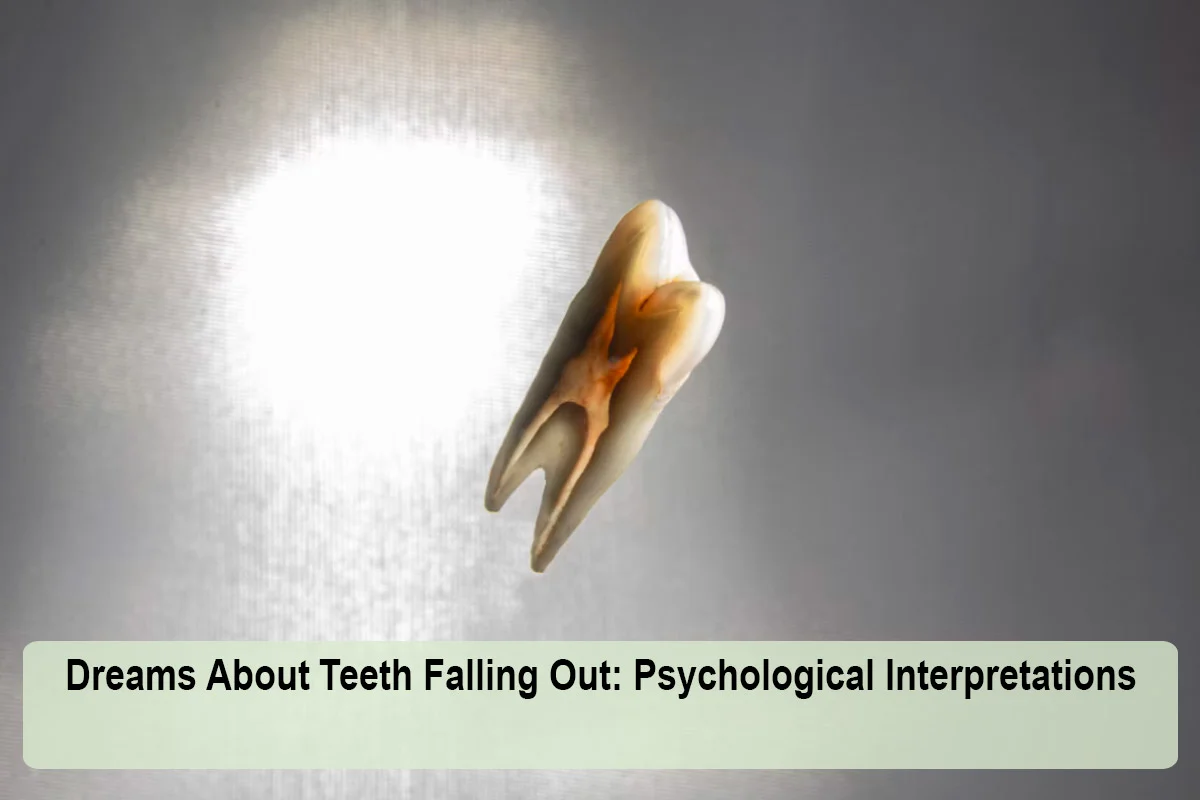
Dreams about teeth falling out are among the most commonly reported dream themes, and most dream dictionaries link them to anxiety, loss of control or fear of aging. The research tells a more surprising story. The only study designed to test the two main explanations head to head found that teeth dreams were linked to physical tension in the teeth and jaw on waking, not to psychological distress. This article walks through the popular psychological interpretations, what the evidence actually supports, and a practical way to work out what your own teeth dreams might mean.
A 2018 study in Frontiers in Psychology by Naama Rozen and Nirit Soffer-Dudek summarizes earlier survey research showing that 39% of respondents reported dreaming about teeth at least once, 16.2% had recurring teeth dreams, and 8.2% had them regularly. Teeth dreams appear in many cultures and age groups, which is one reason they attract so many interpretations.
Over the past century, several schools of thought have offered explanations. None has been proven, but each reflects a reasonable idea about what dreams might express.
| Interpretation | The idea | Where it comes from |
|---|---|---|
| Anxiety and stress | Teeth falling out mirrors feeling overwhelmed or unable to cope | Modern popular psychology |
| Loss of control | Losing teeth symbolizes losing grip on a situation | Popular dream dictionaries |
| Appearance and self-image | Teeth are visible and tied to attractiveness, so losing them reflects fear of judgment | Social and self-image theories |
| Communication | Teeth are needed to speak, so the dream reflects regret about something said or unsaid | Popular interpretation |
| Aging and mortality | Tooth loss is associated with growing old | Symbolic interpretation |
| Repressed desires | Early psychoanalysts linked teeth dreams to sexual or other hidden wishes | Freudian theory |
| Life transitions | Children lose baby teeth as they grow, so the dream marks change | Jungian and developmental ideas |
Rozen and Soffer-Dudek set out to compare two hypotheses: the "symbolic distress" idea, that teeth dreams reflect psychological distress, and the "dental irritation" idea, that they reflect physical sensations in the mouth during sleep. They surveyed 210 university students about their dreams, psychological distress and dental sensations.
| Factor tested | Link to teeth dreams |
|---|---|
| Tension in teeth, gums or jaw on waking | Small to moderate positive association |
| Psychological distress | No meaningful association |
| Self-reported teeth grinding | No direct association |
Interestingly, other common dream themes in the same study, such as dreams of falling and of being smothered, were linked to psychological distress. Teeth dreams were not. The authors concluded their results supported the dental irritation hypothesis, while noting the findings were preliminary and based on a single student sample.
Interpretations of specific variations are speculative. Use them as prompts for reflection rather than answers.
| Dream | A possible physical angle | A possible emotional angle |
|---|---|---|
| Teeth crumbling | Grinding or clenching during sleep | Feeling that something is falling apart slowly |
| Teeth falling out in your hands | Jaw tension | Feeling a loss you are watching but cannot stop |
| Pulling out your own teeth | Tooth or gum discomfort | Wanting to remove something painful from your life |
| Loose teeth | Sensitivity or gum problems | Uncertainty or instability |
| Teeth falling out with blood | Gum irritation | Feeling hurt or exposed |
| Someone else's teeth falling out | Less likely to be physical | Worry about that person |
Instead of relying on a dream dictionary, try this four-step check.
Teeth grinding and clenching during sleep (sleep bruxism) are often linked to stress, anxiety, caffeine, alcohol, smoking and some medications. If your teeth dreams come with a sore jaw, chipped teeth or worn enamel, a dentist can check for grinding and may suggest a night guard. Addressing the cause, such as stress or heavy evening drinking, may reduce both the grinding and the dreams.
Alcohol in particular disrupts sleep in ways that can make dreams more vivid. If you notice your dreams are worse after drinking, or you drink to fall asleep, our guide on when to consider treatment for alcohol use may help.
A teeth dream on its own is not a sign of a mental health problem. Consider talking to a professional if:
Therapies such as cognitive behavioral therapy help with both anxiety and sleep problems. If stress is the common thread, see our resources on stress and anxiety, and if you have frequent nightmares after trauma, look into PTSD treatment. Simple practices like mindfulness and meditation before bed can also lower nighttime tension.
| Group | Common triggers | What to consider |
|---|---|---|
| Children | Losing baby teeth, dental visits, braces | Often a direct reflection of real tooth changes |
| Teens and young adults | Exams, appearance worries, orthodontic work, late nights | Sleep loss and clenching during stressful periods |
| Adults | Work stress, caffeine, alcohol, dental problems | Check for grinding, gum disease or sensitivity |
| Older adults | Dentures, implants, tooth loss | Real dental changes may be woven into dreams |
| Pregnancy | Gum sensitivity, disrupted sleep, vivid dreams | Mention gum bleeding or pain to your dentist |
Most teeth dreams are unsettling rather than terrifying, and people usually shake them off quickly. Nightmares are different: they wake you with strong fear and are hard to forget. If teeth dreams are part of a broader pattern of frequent nightmares, the cause may be stress, trauma, medication changes or substance use rather than your teeth. In that case, a doctor or therapist can help, and effective treatments such as image rehearsal therapy exist.
Many cultures have folk beliefs about teeth dreams, from predictions of death in the family to signs of coming wealth. These beliefs can be meaningful within a tradition, but there is no scientific evidence that teeth dreams predict future events. If a teeth dream leaves you worried about a loved one, it is more likely reflecting your care for them than foretelling anything.
Look up teeth dreams in five dream dictionaries and you may get five different meanings: anxiety, money, death, rebirth or lies. That inconsistency is a clue. Most dream dictionaries are based on tradition, intuition or individual clinical impressions rather than systematic research. Treat them as a source of ideas to test against your own life, not as answers. A useful rule of thumb: if an interpretation fits what is going on for you and helps you act on it, keep it; if it only adds worry, let it go. And if the dreams keep coming back, the most practical first step is a dental check-up, followed by a look at stress, sleep and substance use, especially alcohol, which is known to disrupt sleep.
Dreams about teeth falling out are common, vivid and often unsettling, and for decades they have been read as symbols of anxiety or loss. The best available evidence suggests a more down-to-earth explanation for many people: physical sensations in the teeth and jaw finding their way into dreams. Start by checking for clenching or grinding, look at your stress and sleep habits, and treat any emotional meaning as something to reflect on rather than a verdict. If dreams or poor sleep are wearing you down, support is available.
This article was reviewed by the RehabsNearMe Editorial Team for accuracy, clarity, and relevance. Information may be sourced from publicly available treatment resources, government agencies, and healthcare references where applicable.
Last reviewed: November 2026
Resources
 Resources
 Resources
 Resources