
 Resources
Scromiting: Meaning, Symptoms, Causes, and Treatment
Published On 17-11-2026
Common nightmares include being chased, falling, being trapped, losing teeth, being unprepared for an exam, being naked in public, loved ones dying and natural disasters, and they often reflect stress, fear, unresolved emotions or, in some cases, trauma. Most people have an occasional nightmare, and that is normal. But nightmares that keep coming back, wreck your sleep or replay a traumatic event are a different matter, and they respond well to treatment. This guide covers the most common nightmare themes and what they may reflect, a little-known finding about how often these "typical" dreams really happen, the hidden role of alcohol and medications, and the therapy sleep specialists recommend.
| Experience | What happens | Do you remember it? |
|---|---|---|
| Bad dream | Unpleasant dream that does not wake you | Sometimes |
| Nightmare | Frightening dream that wakes you, usually in the second half of the night | Yes, often vividly |
| Night terror | Screaming, thrashing or sitting up in fear, usually early in the night, while still asleep | Usually not |
| Nightmare disorder | Frequent nightmares that cause significant distress or daytime problems | Yes |
The American Academy of Sleep Medicine (AASM) estimates that about 4% of adults have nightmare disorder, which can occur alone or alongside conditions such as PTSD.
Dream interpretation is not an exact science. The meanings below are possibilities drawn from common psychological perspectives, not fixed definitions. The emotion in the dream and what is happening in your life usually matter more than the image itself.
| Nightmare | What it may reflect | Questions to ask yourself |
|---|---|---|
| Being chased | Avoiding a problem, person or feeling | What am I running from right now? |
| Falling | Insecurity, loss of control, feeling unsupported | Where do I feel I have no footing? |
| Being trapped or paralyzed | Feeling stuck in a job, relationship or situation | What feels impossible to change? |
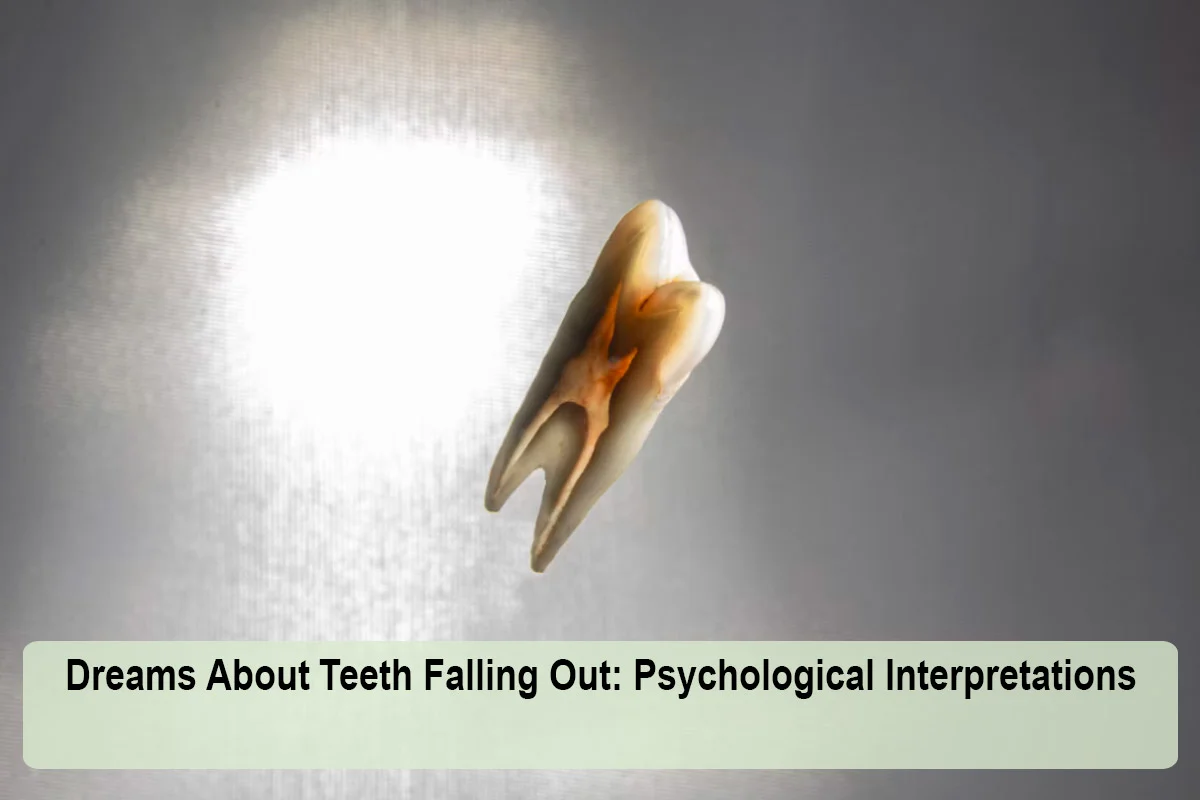
| Teeth falling out | Physical jaw tension, or worries about appearance or control | Is my jaw sore in the morning? |
| Unprepared for an exam or late | Performance pressure, fear of being judged | Where do I feel tested or behind? |
| Naked in public | Vulnerability, fear of exposure or embarrassment | What am I afraid people will see? |
| A loved one dying | Fear of loss, changes in a relationship, grief | Is a relationship changing? |
| Natural disasters | Feeling overwhelmed by forces beyond your control | What feels too big to handle? |
| Being attacked | Feeling threatened, criticized or unsafe | Where do I feel under attack? |
| Car out of control | Life moving in a direction you cannot steer | Who or what is driving my decisions? |
Teeth dreams are a good example of why caution is needed: a 2018 study found they were linked more to jaw and tooth tension on waking than to psychological distress, while dreams of falling were linked to distress.
Here is something most dream articles miss. When people are asked whether they have ever had a dream about being chased, falling or losing teeth, many say yes. But when researchers actually collect and read dream reports, these "typical" themes are rare. Dream researcher G. William Domhoff of the University of California, Santa Cruz, reviewed several large dream collections. In one classic lab study of 635 dream reports collected during REM sleep, only three involved lost teeth and one involved falling. In nearly 1,000 home dream reports from university students, falling and losing teeth appeared once each.
Why the gap? Frightening dreams are memorable, so we remember and retell them, while most dreams are ordinary scenes of everyday life that fade quickly. The takeaway: if you have a frightening dream, it stands out precisely because it is unusual, not because it is a hidden message you must decode.
MedlinePlus, the National Library of Medicine's consumer health site, lists several common causes of nightmares:
Repeated nightmares can also signal sleep apnea, PTSD, more serious anxiety or depression, or another sleep disorder.
Substance use deserves special attention. Alcohol may help some people fall asleep, but it disrupts sleep later in the night. When people cut back after heavy use, vivid dreams and nightmares are a common part of withdrawal and early recovery. The same is true when stopping cannabis; our marijuana withdrawal timeline explains why vivid dreams often return after quitting. If you drink heavily every day, do not stop suddenly without medical advice, as alcohol withdrawal can be dangerous; a medically supervised detox can manage it safely.
Nightmares that replay a traumatic event, or carry the same fear and helplessness, are one of the hallmark symptoms of post-traumatic stress disorder. They can make people afraid to sleep, which leads to exhaustion and worsens other symptoms. Some people turn to alcohol or other substances to block the dreams, which tends to make both problems worse. Our guide on how PTSD and substance use are treated together explains integrated care, and you can find programs specializing in PTSD and trauma on our directory.
In a 2018 position paper, the AASM reviewed treatments for nightmare disorder in adults.
| Treatment | AASM position |
|---|---|
| Image rehearsal therapy (IRT) | Recommended for nightmare disorder and PTSD-associated nightmares |
| Prazosin (a blood pressure medication) | May be used |
| Cognitive behavioral therapy, relaxation, hypnosis, lucid dreaming therapy and others | May be used for nightmare disorder |
| Clonazepam and venlafaxine | Not recommended |
IRT is surprisingly simple, and it is usually taught by a therapist over a few sessions.
The idea is to give your brain a new script, so the old frightening one loses its hold. Medications, including prazosin, should only be used under a doctor's care.
Nightmares are especially common in childhood and often peak in the preschool and early school years. They usually reflect normal fears, new experiences or something scary seen on screen. Comfort, a predictable bedtime routine, a night light and limiting frightening content before bed usually help. In teens, nightmares can increase with stress, sleep loss, trauma, or alcohol and cannabis use. Frequent nightmares that cause fear of bedtime, or nightmares that began after a frightening event, are worth raising with a pediatrician or therapist.
If nightmares are frequent, a two-week journal can reveal patterns to share with a professional. Each morning, note the nightmare theme, how intense it was from 0 to 10, what time you went to bed, whether you drank alcohol or used other substances, any new medications, and your stress level the day before. Many people discover clear triggers, such as late drinking or stressful evening conversations, that are easier to change than they expected.
MedlinePlus advises contacting a provider if nightmares happen more than once a week or disrupt your sleep or daily life for a long time. Also seek help if nightmares follow a traumatic event, if you are afraid to fall asleep, or if you are using alcohol or drugs to cope. For children, frequent nightmares that cause fear of bedtime are worth discussing with a pediatrician.
If nightmares come with thoughts of harming yourself, call or text 988 to reach the Suicide and Crisis Lifeline.
Some people learn to recognize they are dreaming while still asleep, called lucid dreaming, and then change the dream. The AASM lists lucid dreaming therapy among options that may be used for nightmare disorder, although the evidence is less established than for image rehearsal therapy. It may help some people feel more in control at night, but it takes practice and does not suit everyone.
Common nightmares can reflect stress, fear and life changes, but they are not coded predictions, and most people have them only occasionally. When nightmares become frequent, replay trauma or keep you from sleeping, they are a treatable sleep problem. Image rehearsal therapy, good sleep habits and care for underlying stress, trauma or substance use can help you take back your nights.
This article was reviewed by the RehabsNearMe Editorial Team for accuracy, clarity, and relevance. Information may be sourced from publicly available treatment resources, government agencies, and healthcare references where applicable.
Last reviewed: November 2026
Resources
 Resources
 Resources
 Resources