
 Resources
Scromiting: Meaning, Symptoms, Causes, and Treatment
Published On 17-11-2026
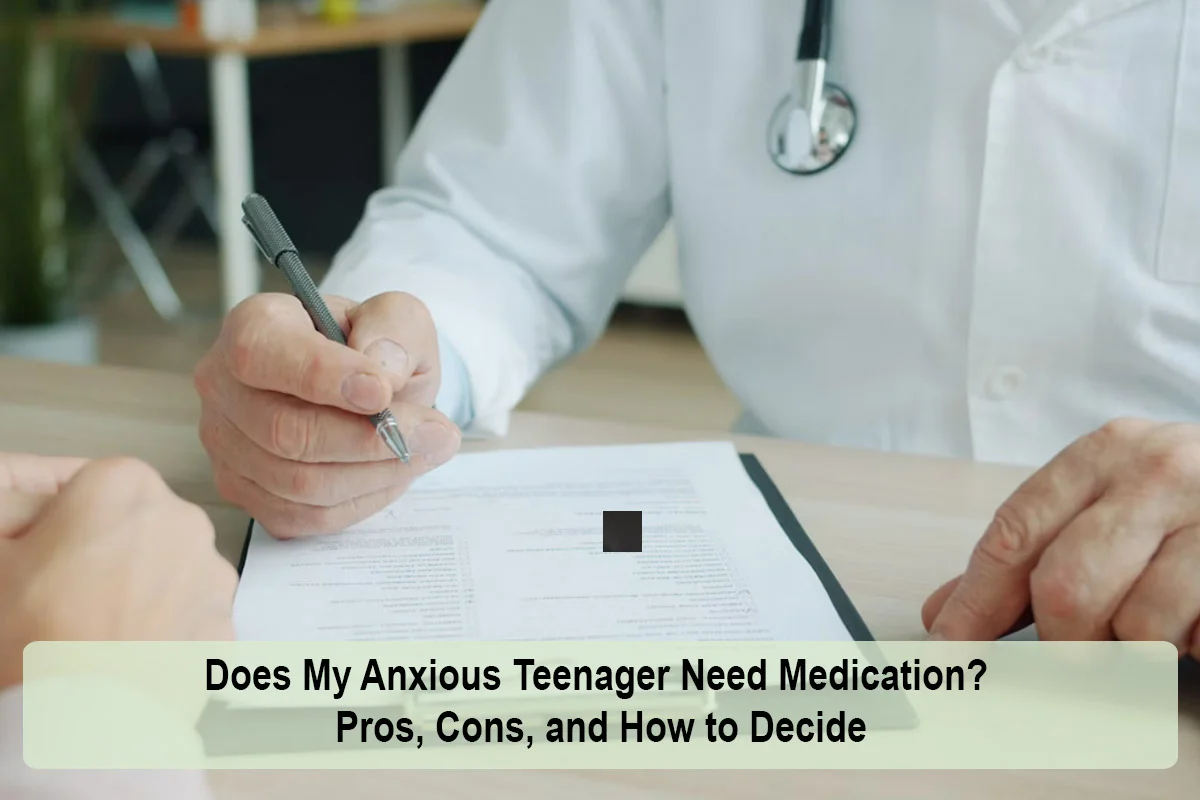
Short answer: Most anxious teenagers do not need medication as a first step. Cognitive behavioral therapy (CBT) is the usual starting point. Medication, most often an SSRI antidepressant, is worth considering when anxiety is moderate to severe, disrupts school, sleep or friendships, or has not improved after a fair trial of therapy. Research shows the combination of CBT and medication works better than either alone for many young people. The decision is best made with a child and adolescent psychiatrist, with your teen involved.
This guide explains how to decide whether your anxious teenager needs medication: which medicines are used, the real pros and cons, what the research shows, what to ask the doctor and how to monitor your teen if you go ahead. If your teen talks about suicide or self-harm, call or text the 988 Suicide and Crisis Lifeline, or call 911 in an emergency.
Your anxious teenager may benefit from medication if anxiety is severe, persistent and getting in the way of daily life despite therapy. Many teens improve with therapy alone, so medication is rarely the only answer. Clinicians usually consider medication when one or more of these is true:
If anxiety is mild, new or clearly tied to a passing stressor, therapy, skills practice and support at home are usually tried first.
Anxiety is the most common mental health condition in adolescence. NIMH estimates that 31.9% of adolescents ages 13 to 18 have had an anxiety disorder. Common types include generalized anxiety disorder, social anxiety disorder, panic disorder and separation anxiety. Related conditions such as obsessive-compulsive disorder are treated in similar ways. For specific types, see our guides to panic attacks in teens, signs of OCD in teens and medications for teen social anxiety.
SSRIs are the first-choice medicines for teen anxiety. Other options are used less often and for specific situations.
| Medicine type | Examples | How it is used in teens | Main cautions |
|---|---|---|---|
| SSRIs (selective serotonin reuptake inhibitors) | Sertraline, fluoxetine, escitalopram | First choice for most anxiety disorders; taken daily | Takes weeks to work; warning about suicidal thoughts under 24; side effects such as stomach upset or sleep changes |
| SNRIs (serotonin-norepinephrine reuptake inhibitors) | Duloxetine, venlafaxine | Alternative if SSRIs do not help or are not tolerated | Similar warning; may raise blood pressure |
| Benzodiazepines | Lorazepam, alprazolam, clonazepam | Rarely, short-term only | FDA boxed warning (2020) about abuse, misuse, addiction and withdrawal; generally avoided in teens |
| Other medicines | Buspirone, hydroxyzine, beta blockers for performance symptoms | Occasionally, for specific situations | Less evidence in teens |
In May 2023 the FDA approved escitalopram (Lexapro) for generalized anxiety disorder in patients 7 years and older, as reported by Epocrates. Doctors also prescribe other SSRIs off-label based on research, which is common and appropriate in pediatric care.
SSRIs increase the availability of serotonin, a brain chemical involved in mood and anxiety, which over time can turn down the brain's alarm response. They are not sedatives and do not work instantly. Most teens start at a low dose that is raised gradually. Some improvement often appears within a few weeks, with fuller benefit over 6 to 12 weeks. The CAMS study measured results after 12 weeks.
| Possible benefits | Possible downsides |
|---|---|
| Strong research support, especially combined with CBT | Side effects such as nausea, headaches, sleep changes or restlessness |
| Can lower anxiety enough for a teen to engage in therapy | Warning about suicidal thoughts in people under 24, especially early on |
| May also treat co-occurring depression or OCD | Takes weeks to work, which can be discouraging |
| Can help a teen return to school and activities sooner | Needs regular appointments and monitoring |
| SSRIs are not habit-forming in the way sedatives are | Stopping suddenly can cause discontinuation symptoms; needs a planned taper |
The research shows that medication plus therapy is the most effective option for many anxious young people. The NIMH-funded Child/Adolescent Anxiety Multimodal Study (CAMS), published in 2008, followed young people ages 7 to 17 with moderate to severe anxiety. After 12 weeks, 81% improved with CBT plus sertraline, 60% with CBT alone, 55% with sertraline alone and 24% with placebo. A large NIMH-supported analysis of antidepressant trials in young people, published in 2007, found response rates for non-OCD anxiety disorders of 69% on medication versus 39% on placebo, with no completed suicides in the trials. Researchers concluded that the benefits of antidepressants for youth anxiety generally outweigh the risks when patients are monitored.
The warning on antidepressants is real but often misunderstood. According to MedlinePlus, fluoxetine and similar antidepressants may increase the risk of suicidal thoughts and actions in people under 24, with higher risk during the first few months and after dose increases. It does not mean the medicine causes suicide in most teens, and untreated anxiety and depression carry their own serious risks. It does mean families should watch closely and call the doctor right away about new or worsening depression, agitation, panic, severe restlessness or thoughts of self-harm.
Ask how much anxiety is limiting your teen's life. Missing school, avoiding friends and having panic attacks point toward a stronger treatment plan than occasional worry before tests.
Was CBT delivered by a trained therapist, for long enough, with practice at home? If not, a stronger therapy trial may come first.
Depression, ADHD, OCD, substance use and sleep problems all affect the choice of medicine and the plan.
If a parent or sibling responded well to a specific SSRI, tell the prescriber. Family history of bipolar disorder is also important to share.
Teens who understand and agree with the plan are more likely to take medicine consistently and report side effects.
Teens are more likely to benefit when they feel part of the choice. Share what you have learned, ask what worries them, and let them ask the doctor questions directly. Some teens fear medication will change their personality. Explain that the goal is to turn down excessive fear, not to change who they are, and that the plan can be adjusted if they feel off.
| Common and usually mild | Call the doctor promptly |
|---|---|
| Mild nausea or stomach upset | New or worsening depression or hopelessness |
| Headache | Thoughts of self-harm or suicide (call or text 988, or 911 if in danger) |
| Sleep changes | Severe agitation, restlessness or panic |
| Feeling slightly jittery at first | Unusual energy, risk-taking or very little sleep |
Keep medicine stored by a parent and give doses as prescribed. Never stop suddenly without the prescriber's guidance.
Medication works best alongside other support. Cognitive behavioral therapy, including gradual exposure, teaches teens to face fears and challenge anxious thinking. The NIMH psychotherapy guide notes that exposure therapy is a type of CBT used for anxiety disorders. Regular sleep, physical activity, limiting caffeine and energy drinks, and practicing mindfulness also help. Our guides to meditation techniques for teens and positive coping skills for teens offer practical tools.
If anxiety keeps a teen out of school, leads to self-harm or substance use, or does not improve with outpatient care, a higher level of support can combine therapy, medication management and daily skill practice. Options include an intensive outpatient program or partial hospitalization program. You can compare anxiety treatment programs and programs for adolescents, search FindTreatment.gov, or call the SAMHSA National Helpline at 1-800-662-4357.
Whether your anxious teenager needs medication depends on how severe the anxiety is, what has already been tried and what your teen wants. For many teens, CBT is enough. For others, adding an SSRI makes recovery faster and more complete. Get a thorough evaluation, ask clear questions, involve your teen, monitor closely in the first months and keep therapy going. A medication decision is not permanent; it can be reviewed and changed as your teen improves.
This article was reviewed by the RehabsNearMe Editorial Team for accuracy, clarity, and relevance. Information may be sourced from publicly available treatment resources, government agencies, and healthcare references where applicable.
Last reviewed: November 2026
Resources
 Resources
 Resources
 Resources