
 Resources
Positive Coping Skills for Teens: 44 Healthy Ways to Manage Stress
Published On 25-10-2026
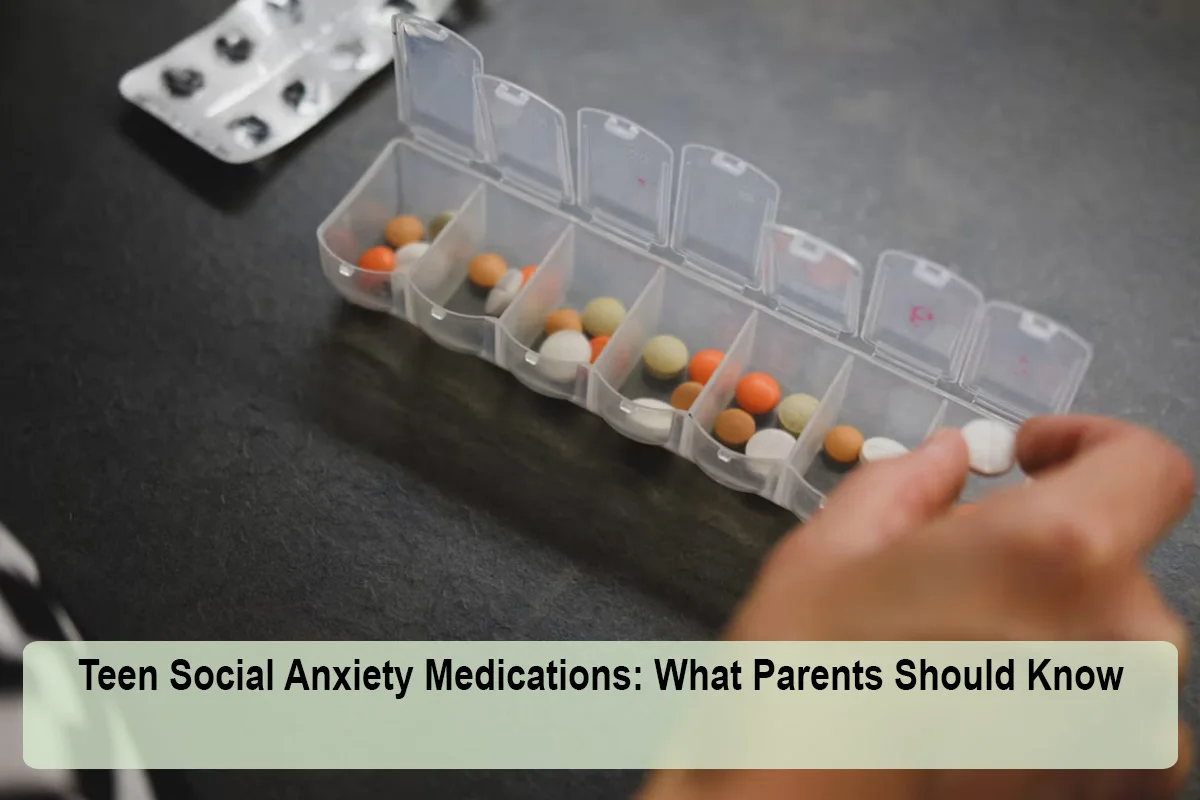
When social anxiety keeps a teen from going to school, speaking in class, making friends, or leaving the house, parents often wonder whether medication could help. Medication can be an important part of treatment for some teens with social anxiety disorder, especially when symptoms are moderate to severe or therapy alone has not been enough. But many parents also have questions about safety, side effects, and how medication fits with therapy. This guide explains the medications used for teen social anxiety, how they work, what research shows, possible side effects and safety warnings, how medication compares to and combines with therapy, and questions to ask your teen's doctor.
This article is for general information and is not medical advice. Decisions about medication should always be made with a qualified prescriber.
Social anxiety disorder involves intense, persistent fear of social or performance situations where a teen worries about being judged, embarrassed, or rejected. It goes beyond shyness and can lead teens to avoid school, parties, speaking in class, eating in front of others, or talking on the phone. The National Institute of Mental Health estimates that 9.1% of adolescents ages 13 to 18 have had social anxiety disorder, including 11.2% of girls and 7.0% of boys. Learn more on our anxiety treatment page.
Cognitive behavioral therapy (CBT), especially with gradual exposure to feared situations, is considered a first-line treatment for teen anxiety. Medication is often added when anxiety is moderate to severe, when it significantly interferes with daily life, or when therapy alone has not helped enough.
A major NIMH-funded study, the Child/Adolescent Anxiety Multimodal Study, compared treatments for youth ages 7 to 17 with separation anxiety, generalized anxiety, or social phobia. After 12 weeks, 81% improved with a combination of CBT and the medication sertraline, compared with 60% with CBT alone, 55% with sertraline alone, and 24% with placebo. The study suggests that both therapy and medication help, and that combining them may work best for many teens.
| Medication Type | Examples | How It Is Used |
|---|---|---|
| SSRIs (selective serotonin reuptake inhibitors) | Sertraline, fluoxetine, escitalopram, paroxetine, fluvoxamine | Most commonly prescribed medications for teen anxiety; taken daily |
| SNRIs (serotonin-norepinephrine reuptake inhibitors) | Venlafaxine, duloxetine | An alternative when SSRIs are not effective or well tolerated |
| Beta-blockers | Propranolol | Sometimes used for physical symptoms of performance anxiety, such as shaking or racing heart; not a long-term treatment for social anxiety disorder |
| Benzodiazepines | Lorazepam, clonazepam | Generally avoided in teens because of risks of dependence, sedation, and misuse |
| Other medications | Varies | Occasionally used under specialist guidance |
FDA approvals for anxiety medications in young people are limited, and some medications are prescribed "off-label" based on research and clinical experience, which is common and legal in pediatric care. Your teen's prescriber can explain which medications have the strongest evidence for your teen's specific situation.
Not every anxious teen needs medication. Many improve with therapy, family support, and gradual practice. A prescriber is more likely to suggest medication when:
That last point matters. Some teens with social anxiety drink or use cannabis before parties or school events to feel less nervous. This can quickly turn into a pattern that worsens anxiety over time. If you see signs of self-medicating, mention it to the prescriber. Our pages on marijuana addiction and co-occurring mental health treatment explain how both issues can be treated together.
SSRIs increase the availability of serotonin, a brain chemical involved in mood and anxiety regulation. They do not work immediately. Many teens begin to notice some improvement within a few weeks, with fuller benefits often taking 8 to 12 weeks. Prescribers usually start with a low dose and adjust gradually.
Many side effects are mild and fade within the first few weeks. Tell the prescriber about any side effects rather than stopping medication suddenly, since stopping abruptly can cause discontinuation symptoms.
In 2004, the FDA required a boxed warning on antidepressants, including SSRIs, because of a small increased risk of suicidal thoughts and behaviors in children, teens, and young adults. An NIMH summary of a large review found that antidepressants likely offer more benefit than risk for youth with depression and anxiety disorders. In that review, response rates for non-OCD anxiety disorders were 69% with medication versus 39% with placebo, and no suicides occurred in the trials.
The warning means teens starting an antidepressant should be monitored closely, especially in the first few months and after dose changes. Watch for:
Contact the prescriber right away if you notice these changes, and call or text 988 in a crisis.
| Factor | CBT | Medication |
|---|---|---|
| How it helps | Teaches skills to manage anxious thoughts and face fears | Reduces anxiety symptoms biologically |
| Time to work | Usually several weeks to months | Often several weeks, fuller effect in 8 to 12 weeks |
| Lasting skills | Builds skills teens keep after therapy ends | Benefits may fade if stopped without skill-building |
| Side effects | Temporary discomfort during exposure | Possible physical side effects and need for monitoring |
| Best for | Most teens with social anxiety | Moderate to severe anxiety or when therapy alone is not enough |
| Myth | Fact |
|---|---|
| Medication will change my teen's personality | When dosed correctly, SSRIs aim to reduce anxiety so your teen's personality can show more freely. Feeling flat or "not like myself" is a side effect to report. |
| SSRIs are addictive | SSRIs are not considered addictive, though stopping suddenly can cause discontinuation symptoms, so tapering is important. |
| Medication is a quick fix | SSRIs take weeks to work and do the most good alongside therapy and skill-building. |
| Once on medication, always on medication | Many teens take medication for a limited time and then taper off successfully. |
| Needing medication means therapy failed | Medication and therapy work in different ways and are often combined from the start. |
When medication helps, prescribers often recommend continuing for several months to a year after symptoms improve to reduce the risk of relapse. Stopping should be done gradually with the prescriber's guidance, ideally during a lower-stress time, such as summer break, and while continuing therapy.
Related guides include avoidant personality disorder in adolescents and when a teen thinks everyone hates them.
Most teens with social anxiety are treated with weekly therapy and, when needed, medication from an outpatient prescriber. When anxiety leads to long-term school refusal, severe depression, self-harm, or substance use, a higher level of care such as an intensive outpatient program, partial hospitalization program, or residential treatment can provide daily therapy, close medication management, and structured practice facing social situations in a supportive setting.
A child and adolescent psychiatrist, pediatrician, or psychiatric nurse practitioner can evaluate whether medication is right for your teen, ideally alongside a therapist trained in CBT. Browse programs on our adolescent treatment page, including Nexus Teen Academy in Scottsdale and Nexus Teen Academy in Cave Creek. For free referrals, call the SAMHSA National Helpline at 1-800-662-4357.
Medications such as SSRIs are commonly used to treat moderate to severe social anxiety in teens, and research shows that combining medication with CBT may work best for many young people. SSRIs take several weeks to work, have mostly mild side effects, and carry an FDA boxed warning that calls for close monitoring, especially early in treatment. Work closely with your teen's prescriber, continue therapy, and watch for changes in mood or behavior.
This article was reviewed by the RehabsNearMe Editorial Team for accuracy, clarity, and relevance. Information may be sourced from publicly available treatment resources, government agencies, and healthcare references where applicable.
Last reviewed: October 2026
Resources
 Resources
 Resources
 Resources