
 Resources
Benefits of Teen Meditation: What the Research Shows
Published On 01-11-2026
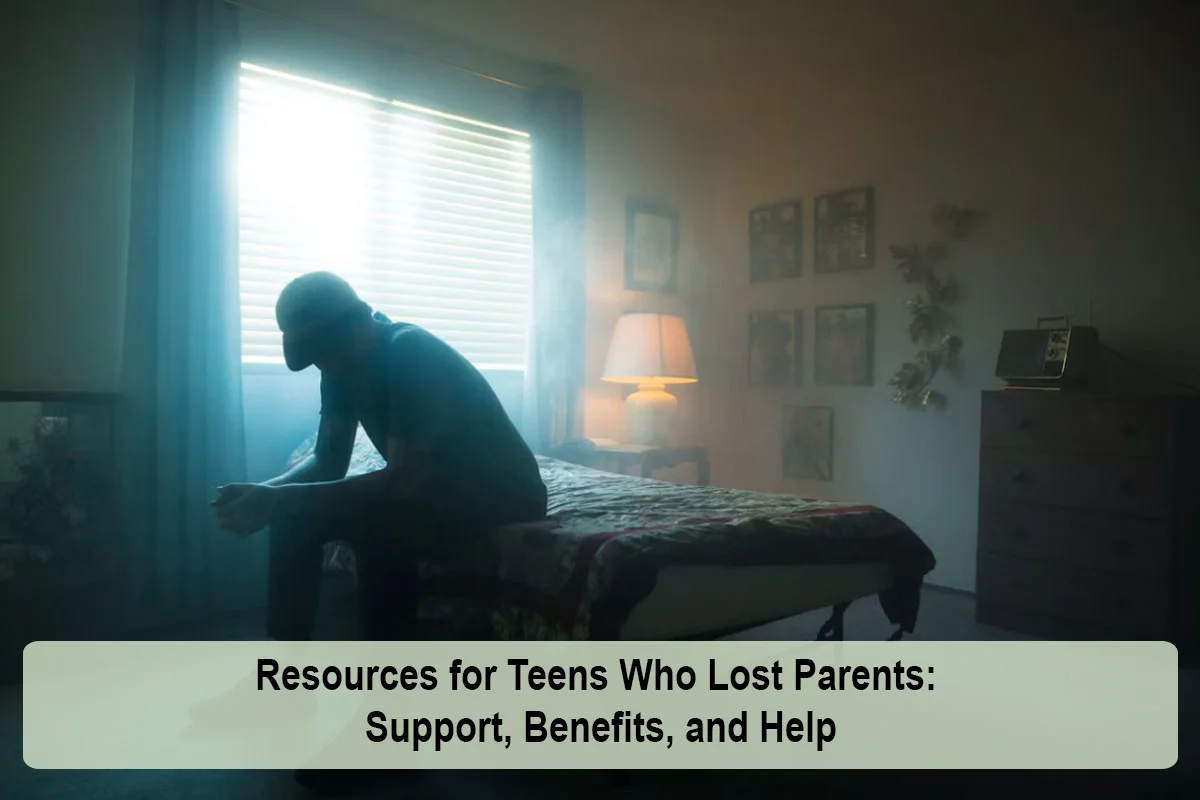
Losing a parent as a teenager changes everything at once. A teen loses the person who helped them make sense of the world, often at the exact age when they are figuring out who they are. Daily life may shift too: a move, less money, a surviving parent who is grieving, new responsibilities at home. If you are a surviving parent, a relative, a teacher or a teen yourself, you may be wondering where to even start. This guide gathers practical resources for teens who lost parents, from grief support groups and camps to financial benefits, school supports, therapy and crisis lines, along with guidance on how to tell when grief needs more help.
If a grieving teen talks about wanting to die or to be with the parent who died, take it seriously. Call or text the 988 Suicide and Crisis Lifeline, or call 911 if they are in immediate danger.
Grieving teens are more common than most people realize. The Childhood Bereavement Estimation Model, developed by the nonprofit Judi's House, projects that more than 6.6 million US children, about 1 in 11, will experience the death of a parent or sibling by age 18. Many sit in classrooms where no one knows. Reaching out to resources is not a sign that a teen or family is failing. It is what most grieving families need.
In the first days and weeks, and any time grief becomes overwhelming, these resources are available around the clock:
Peer support is one of the most helpful resources for teens who lost parents. Being in a room with others who understand can reduce the isolation many grieving teens feel.
The Dougy Center, The National Grief Center for Children and Families in Portland, Oregon, offers peer grief support groups for children, teens, young adults and families at no cost. Its National Program Finder lists grief support programs across the country, and it reports more than 500 Dougy-trained programs worldwide. The center also offers free tip sheets, activities and a podcast about grief.
Many hospices offer free bereavement groups for children and teens in their community, even if the parent did not die in hospice care. Call hospices near you and ask about youth programs.
Weekend bereavement camps combine traditional camp activities with grief education and support. Camp Erin, for example, runs weekend camps in many US communities for young people ages 6 to 17 who are grieving the death of someone important in their lives. Ask local hospices and hospitals about camps in your area.
Many middle and high schools run grief groups through the counseling office. Ask your teen's school counselor what is available.
Financial stress after a parent's death can add to a teen's worry. One important resource is often overlooked.
According to the Social Security Administration, children may be eligible for monthly survivors benefits after a parent's death. Payments typically end at age 18 or high school graduation, and adults who became disabled before age 22 may receive childhood survivors benefits at any age. Stepchildren, adopted children and grandchildren may also qualify in some cases. Applications cannot be completed online; families apply by phone or in person. Call 1-800-772-1213 (TTY 1-800-325-0778), Monday through Friday from 8 a.m. to 7 p.m., and have the deceased parent's Social Security number ready. SSA advises contacting them as soon as possible because the filing date can affect when benefits begin.
Ask the deceased parent's employer about life insurance and benefits, check whether the parent was a veteran, and talk with your teen's school about fee waivers and meal programs. When college planning begins, tell the financial aid office about the loss, since it may affect aid.
Grief affects concentration, memory, sleep and motivation, so school often becomes harder. Helpful steps include:
If schoolwork is slipping, see teen stopped turning in easy assignments and teen failing classes.
Not every grieving teen needs therapy, but many benefit from it, especially when the death was sudden, violent or traumatic, or when grief is complicated by other stressors. Look for a therapist with experience in adolescent grief and trauma. Helpful approaches can include cognitive behavioral therapy, trauma-specific therapy, art therapy for teens who struggle to talk, and family therapy to help the whole household grieve together. Our guide to trauma therapy for teens explains how to choose a therapist.
Grief in teens often comes in waves. A teen may seem fine at a party one day and be unable to get out of bed the next. That is normal. Some signs, though, suggest a teen needs professional support.
| Common teen grief reactions | Signs to seek professional help |
|---|---|
| Sadness, crying and anger that come and go | Persistent hopelessness or numbness most days |
| Some trouble sleeping or concentrating | Unable to function at school or home for weeks |
| Wanting to talk about the parent, or not wanting to | Complete avoidance of anything connected to the parent |
| Spending more time with friends or alone | Withdrawing from everyone |
| Short-term dip in grades | School refusal or failing classes |
| Feeling the parent's absence on special days | Talk of wanting to die or join the parent |
| Intense grief that slowly softens | Intense yearning and pain that do not ease after many months |
| Some risk-taking or irritability | Heavy substance use, self-harm or dangerous behavior |
Clinicians now recognize prolonged grief disorder, in which intense longing for the person who died or preoccupation with them, along with deep emotional pain, persists and disrupts daily life long after the loss. Child grief experts working with the National Child Traumatic Stress Network recommended that this be considered in youth at least six months after a death. If your teen's grief is not easing over time, ask for an evaluation.
| Try saying | Avoid saying |
|---|---|
| "I miss Dad too. What do you miss most?" | "You need to be strong for the family." |
| "There's no right way to feel right now." | "At least he's not suffering anymore." |
| "You can talk to me anytime, or we can find someone else." | "It's been months. You should be over it." |
| "Want to do something together to remember her?" | "Let's not talk about it." |
Some teens turn to alcohol, cannabis, vaping or self-harm to numb grief. If you notice these signs, act quickly. The NIMH guide on helping young people cope with traumatic events lists using drugs, alcohol or tobacco and withdrawing from family and friends among reactions to watch for in adolescents. Adolescent programs that treat trauma, depression and substance use together, such as Nexus Teen Academy Oak, Nexus Teen Academy Mesquite and Hillcrest Adolescent Treatment Center, can help; confirm ages and services first. Options range from an intensive outpatient program to residential treatment. You can also search FindTreatment.gov or browse programs for adolescents.
If you are a teen reading this after losing a parent, know that what you are feeling, whether it is sadness, anger, numbness, guilt or even relief after a long illness, is part of grief. Find one trusted adult you can be honest with: a relative, coach, teacher or school counselor. Look for a grief group where others your age understand. Write, draw, make music or keep something of your parent's close. And if the pain ever feels like too much, call or text 988 any time, day or night.
Teens who lose a parent need more than sympathy. They need practical resources: peer grief groups and camps, Social Security survivors benefits, school supports, skilled therapists and crisis lines when things feel unbearable. Most grieving teens slowly find their footing with steady support. Watch for signs that grief is getting stuck or turning into hopelessness, self-harm or substance use, and reach out early. No teen should have to carry this loss alone.
This article was reviewed by the RehabsNearMe Editorial Team for accuracy, clarity, and relevance. Information may be sourced from publicly available treatment resources, government agencies, and healthcare references where applicable.
Last reviewed: November 2026
Resources
 Resources
 Resources
 Resources