
 Resources
Scromiting: Meaning, Symptoms, Causes, and Treatment
Published On 17-11-2026
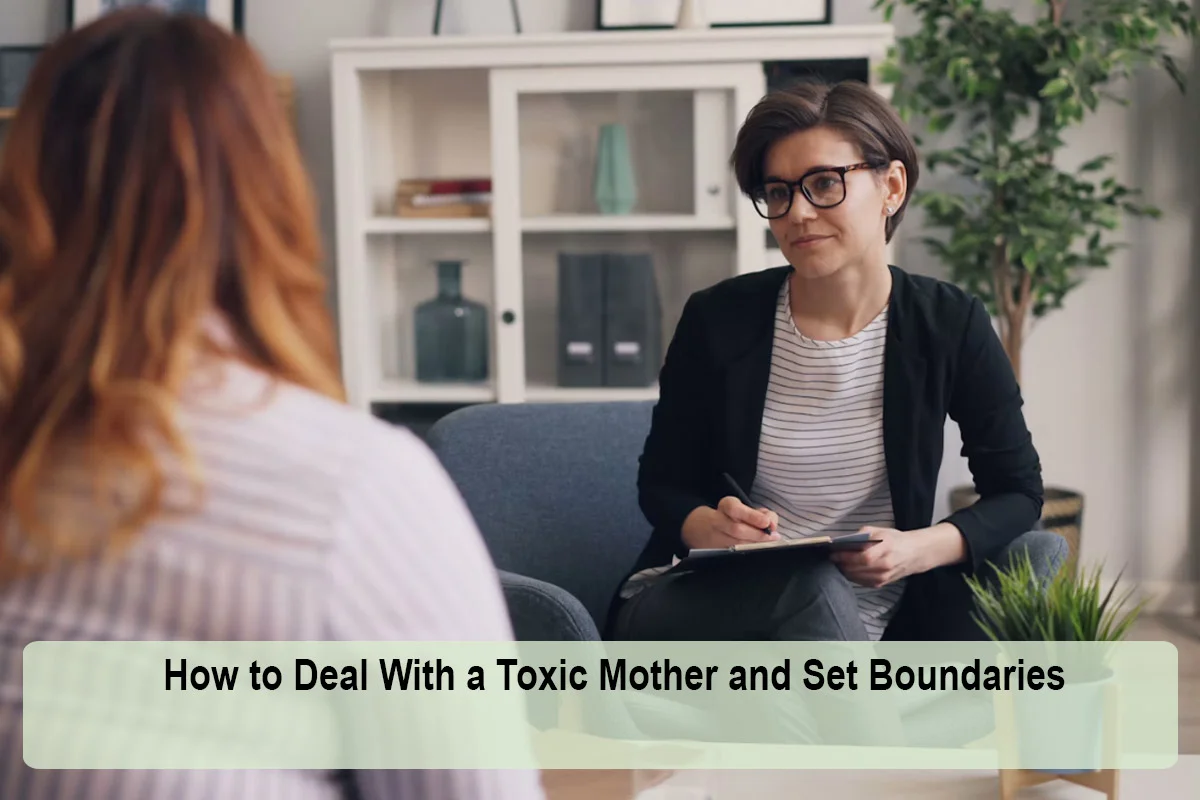
"Toxic mother" is not a diagnosis. It is a phrase people use when a mother's behavior repeatedly harms their well-being: constant criticism, guilt and manipulation, control, or emotional coldness that leaves lasting wounds. If you are reading this, you may love your mother and still feel drained, anxious or small after every interaction. You can hold both of those truths. Setting boundaries is how you protect yourself while deciding what kind of relationship, if any, is healthy for you.
This guide covers how to recognize a toxic dynamic, how it affects children and adult children, a step-by-step method for setting boundaries, scripts for common situations, how to handle pushback, the options of low or no contact, and how to heal. If you are a minor and are being abused or are unsafe at home, call the Childhelp National Child Abuse Hotline at 1-800-422-4453. If you are in crisis, call or text the 988 Suicide and Crisis Lifeline, or call 911 if you are in danger.
Every parent makes mistakes. The difference is whether harmful behavior is occasional and repaired, or constant and denied.
| A difficult but healthy enough mother | A toxic pattern |
|---|---|
| Sometimes critical, but also supportive | Criticism is constant and personal |
| Apologizes and repairs after conflict | Never apologizes; blames you instead |
| Respects your choices, even when she disagrees | Tries to control your decisions, partner, money or career |
| Your feelings matter to her | Your feelings are dismissed, mocked or used against you |
| You feel safe being honest | You walk on eggshells and rehearse conversations |
Some of these behaviors overlap with narcissistic traits. See our companion guide on the signs of a narcissistic mother.
Growing up with constant criticism or control can shape how you see yourself and others long into adulthood. Common effects include low self-esteem, people-pleasing, difficulty trusting, anxiety, guilt when setting limits, perfectionism and choosing relationships that repeat familiar patterns. Some people develop codependency, depression or substance use as ways of coping. Our article on codependency explained describes that pattern.
| Situation | What you can say |
|---|---|
| Criticism of your appearance | "I'm not discussing my body. If it continues, I'll head home." |
| Guilt trips | "I hear that you're upset. My answer is still no." |
| Unannounced visits | "Please call before coming over. If you don't, I won't open the door." |
| Criticizing your partner | "I won't listen to criticism of my partner. Let's change the subject or end the visit." |
| Money requests | "I'm not able to lend money. I hope you understand." |
| Undermining your parenting | "These are our rules for the kids. Please follow them when they're with you." |
| Holiday pressure | "We'll visit for two hours this year, then go home." |
| Calling repeatedly | "I'll call you back when I'm free. I won't answer while I'm working." |
Expect pushback. A mother used to having her way may respond with anger, tears, guilt, silent treatment or recruiting relatives. Behavior often gets worse before it gets better, because she is testing whether the boundary is real. Stay calm, repeat your boundary briefly and follow through. It helps to plan your response in advance and to remind yourself that her reaction is not proof you did something wrong.
If boundaries are repeatedly ignored, some adult children choose to reduce contact. This is a personal decision with no single right answer.
| Option | What it looks like | May fit when |
|---|---|---|
| Structured contact | Time limits, public places, planned topics | You want a relationship but need protection |
| Low contact | Occasional calls or visits, little personal sharing | Boundaries are partly respected |
| No contact | Ending communication, sometimes temporarily | There is abuse, or contact repeatedly harms your health or safety |
Whatever you choose, you can revisit it. Grief is normal either way, even when distance is the right decision.
Teens have less control over contact, so focus on safety and support. Find a trusted adult, such as a relative, school counselor, coach or teacher. Keep a private journal or notes app to process feelings. Use calm, short responses during conflict and step away when you can. If you are being hurt, threatened or neglected, tell a trusted adult or call Childhelp at 1-800-422-4453. Our guide on teenage anger toward mothers may help you understand some of the feelings involved.
| Stage | How it may show up |
|---|---|
| Childhood | Harsh criticism, unpredictable moods, love tied to good behavior |
| Teen years | Reading diaries or phones, punishing independence, competing with or shaming the teen |
| Young adulthood | Controlling career, college or partner choices; guilt about moving away |
| Adult life | Criticizing your parenting, undermining your partner, demanding time and money |
| Her later years | Using illness or loneliness to pressure you, refusing help from others |
Siblings, aunts or a father may pressure you to "keep the peace." You do not need everyone's agreement. Keep explanations short: "I'm doing what's healthy for me." Avoid trying to convince relatives who are invested in the family story, and seek out people who understand. Over time, some relatives may come around; others may not.
Priya, 29, dreaded weekly calls with her mother, which always turned to criticism of her job and her partner. She decided on a boundary and said: "Mom, I want to keep talking each week, but I'm not going to discuss my job or Sam anymore. If those topics come up, I'll end the call." The next week, her mother began criticizing Sam. Priya said, "I'm going to go now. Talk to you next week," and hung up. Her mother sent angry texts. Priya did not argue. After several weeks of consistent follow-through, the calls became shorter but calmer, and Priya stopped dreading them.
Plan something calming after visits or calls, such as a walk, time with a friend or a favorite activity. Notice how your body feels and give yourself time to reset before returning to work or family life.
Therapy can help you untangle guilt, set boundaries and heal old wounds. The National Institute of Mental Health notes that psychotherapy can help people identify and change troubling emotions, thoughts and behaviors. Helpful approaches include adult child therapy, internal family systems therapy, trauma-specific therapy and CBT. If you are struggling with depression, anxiety or substance use, see trauma treatment and co-occurring disorder treatment, search FindTreatment.gov or call the SAMHSA National Helpline at 1-800-662-4357.
Dealing with a toxic mother means accepting that you cannot change her, only how you respond. Recognize the pattern, decide what you need, set clear boundaries and follow through, even when guilt says otherwise. Choose the level of contact that keeps you healthy, get support, and give yourself time to heal. Protecting your peace is not cruelty. It is care, for yourself and for the relationships you want to build.
This article was reviewed by the RehabsNearMe Editorial Team for accuracy, clarity, and relevance. Information may be sourced from publicly available treatment resources, government agencies, and healthcare references where applicable.
Last reviewed: November 2026
Resources
 Resources
 Resources
 Resources