
 Resources
Scromiting: Meaning, Symptoms, Causes, and Treatment
Published On 17-11-2026
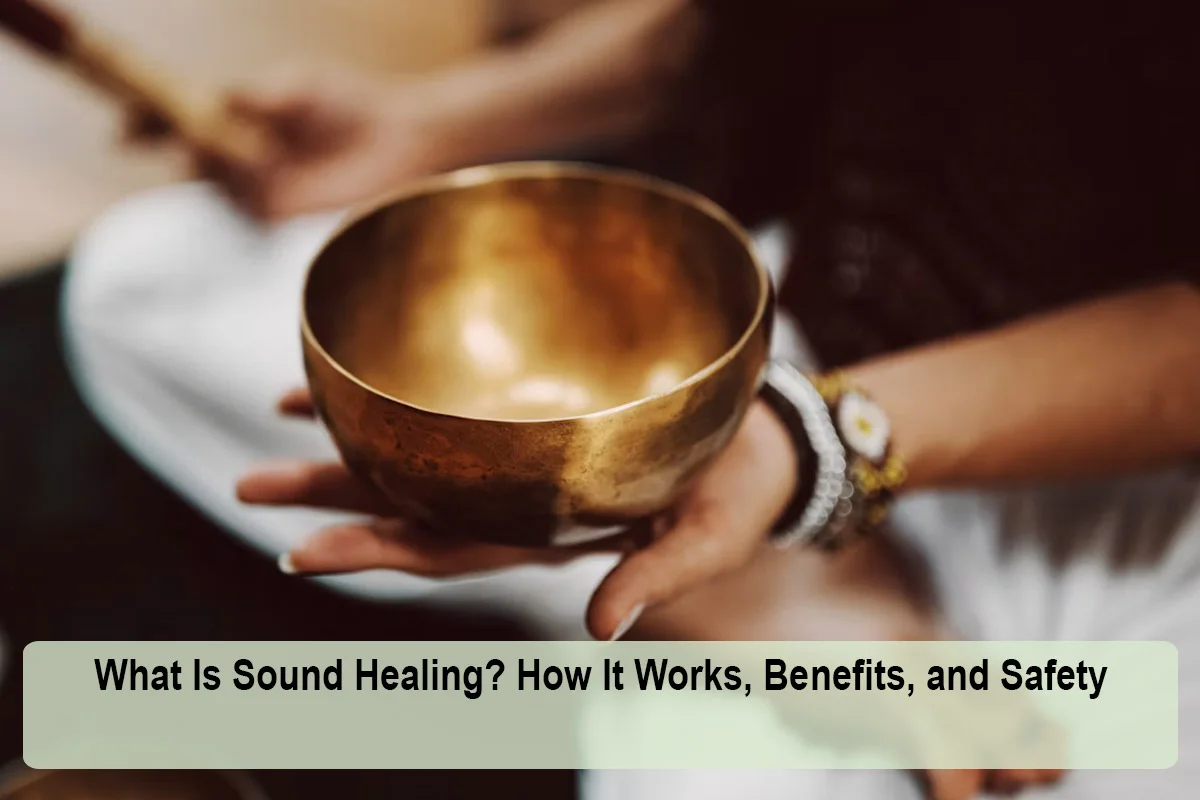
Short answer: Sound healing is a relaxation practice that uses sound and vibration, from singing bowls, gongs, tuning forks, chimes, drums, the voice or recorded tones, to help people slow down, focus attention and feel calmer. It works mainly the way other relaxation and meditation practices do: by giving the mind a steady focus and easing the body's stress response. Research on music-based interventions is promising for stress and anxiety, but evidence for specific "healing frequencies" is limited. Sound healing can be a helpful complement to mental health or addiction treatment, not a replacement for it.
This guide explains what sound healing is, where it comes from, how it may work, the tools and techniques used, what the evidence does and does not show, who may benefit, safety tips and how to get started, including for teens.
Sound healing is an umbrella term for practices that use sound to support relaxation and well-being. A session might involve a practitioner playing singing bowls around a group lying on mats, a gong washing over a room, tuning forks held near the body, or a person listening to a recording through headphones. People often describe feeling deeply relaxed, drowsy or emotionally lighter afterward.
Sound healing is different from music therapy. Music therapy is a clinical profession in which a trained, credentialed therapist uses music to reach specific treatment goals within a therapeutic relationship. Sound healing is usually offered by wellness practitioners, and training standards vary widely.
Using sound for ceremony, healing and community is ancient and appears across many cultures: chanting, drumming, singing and instruments such as bowls, gongs and rattles. Modern sound baths and sound healing sessions draw on these traditions, often blended with meditation and yoga. Today, sound-based practices are offered in yoga studios, wellness centers, some hospitals and some addiction and mental health treatment programs.
Sound healing most likely works through relaxation and attention, the same pathways used by meditation and other mind-body practices. Steady, slow, pleasant sounds give the mind something to rest on, which can interrupt worry and rumination. As attention settles, breathing often slows and the body may shift away from a stressed, alert state. Group sessions can also create a sense of connection and calm.
Practitioners sometimes describe effects in terms of "resonance," "vibrational energy" or specific healing frequencies. These explanations are not well established in research, and parents and patients should be cautious about strong claims. What is better supported is that music and sound can reduce stress and anxiety for many people.
Evidence is strongest for music-based interventions generally and weaker for specific sound healing methods. The NCCIH research summary on music and health reports:
| Area | What NCCIH reports about music-based interventions |
|---|---|
| Anxiety | Studies across many conditions and settings; most have had promising results |
| Depression | Some evidence that adding music-based interventions to usual care improves depressive symptoms |
| Stress | Music-based interventions, particularly music therapy, may improve physical and psychological markers of stress |
| Pain | Some evidence of relief for pain linked to specific health conditions |
| Sleep | Mixed results |
NCCIH also cautions that because much of this research is preliminary, few definite conclusions have been reached. Studies of sound baths, singing bowls and binaural beats specifically tend to be small, so their benefits should be seen as possible, not proven.
In a sound bath, participants lie or sit comfortably while a practitioner plays bowls, gongs and other instruments for 30 to 60 minutes. The goal is to rest and let the sound wash over you.
Binaural beats play a slightly different tone in each ear through headphones. The brain perceives a third, pulsing tone at the difference between them. Some people find them relaxing or helpful for focus. Research results are mixed, and they require headphones at a safe volume.
A teacher combines spoken guidance, such as breathing instructions or a body scan, with background sound. This is often the easiest starting point for beginners and teens.
Making long, steady vocal sounds encourages slow exhalation, which can be calming. It needs no equipment.
Drumming circles combine rhythm, movement and social connection and are used in some community and treatment settings.
Sound healing may appeal to people who:
In addiction and mental health treatment, sound-based sessions are usually offered as part of a holistic approach, alongside evidence-based care such as cognitive behavioral therapy and medication when needed. Our article on evidence-based vs. holistic therapies explains how these fit together.
Teens can enjoy sound-based relaxation, and it can be an appealing entry point for those who find meditation boring. NCCIH's guidance on mind and body practices for children and teens lists mindfulness, guided imagery, biofeedback and yoga among approaches with the best evidence and low risk, and notes that older teens can practice relaxation techniques on their own or with a parent's help. Sound can be paired with these practices, such as a body scan with soft background sound before bed. For more ideas, see meditation techniques for teens and benefits of teen meditation.
Parents should keep two cautions in mind: protect hearing by keeping headphone volume moderate, and do not use sound healing in place of treatment for anxiety, depression, self-harm or substance use.
For most people, sound healing is low risk, but a few precautions matter:
Some rehab and mental health programs include sound baths, drumming or music-based sessions as complementary therapies. When comparing programs, ask how these sessions fit with evidence-based care, who leads them and how often they happen. Browse programs offering sound therapy, music therapy, meditation and mindfulness and relaxation therapy, or read how mindfulness supports addiction recovery. For treatment referrals, call the SAMHSA National Helpline at 1-800-662-4357. If you or your teen are in crisis, call or text the 988 Suicide and Crisis Lifeline.
Sound healing is a gentle, low-cost way to relax that many people enjoy, and research on music-based interventions for stress and anxiety is encouraging. The evidence for specific frequencies and dramatic healing claims is not. Treat sound healing as a complement to proven care: use it to unwind, sleep better or support recovery, keep the volume safe and lean on qualified professionals for mental health and addiction treatment.
This article was reviewed by the RehabsNearMe Editorial Team for accuracy, clarity, and relevance. Information may be sourced from publicly available treatment resources, government agencies, and healthcare references where applicable.
Last reviewed: November 2026
Resources
 Resources
 Resources
 Resources