
 Resources
Positive Coping Skills for Teens: 44 Healthy Ways to Manage Stress
Published On 25-10-2026
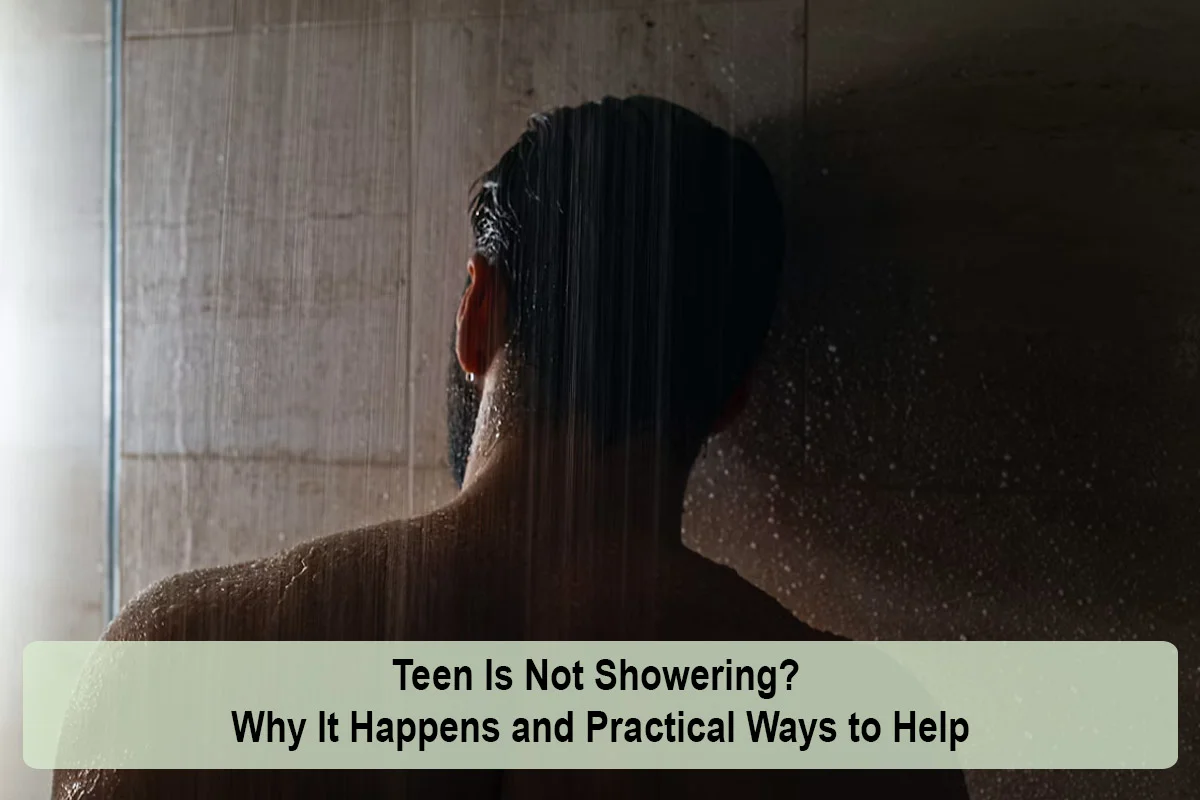
Your teen used to shower without a second thought. Now days go by, the bathroom stays dry, and there is an unmistakable smell coming from their room. If your teen is not showering, you may be frustrated, embarrassed for them, and unsure how to bring it up without a fight. Shower refusal in teenagers is surprisingly common, and the reasons range from simple forgetfulness and busy schedules to sensory discomfort, ADHD, anxiety, and depression. This practical guide focuses on getting your teen back in the shower: why teens stop showering, how to talk about body odor without shame, step-by-step strategies that work, special tips for boys, girls, and neurodivergent teens, and when shower refusal is a sign that your teen needs more help.
If poor hygiene is part of a broader decline in self-care, mood, or functioning, see our related guide on when a teen stops taking care of hygiene.
People quickly get used to their own body odor. Many teens genuinely do not realize they smell, especially in early puberty when sweat glands become more active.
Before puberty, kids could skip a bath without much odor. After puberty begins, sweat and oil production increase, and daily showers become more important. Some teens have not adjusted their habits.
Busy schedules, late nights, and early mornings can push showers to the bottom of the list. Exhausted teens may skip them to sleep a few extra minutes.
Some teens find the feeling of water, temperature changes, the sound of the shower, wet hair, or the texture of towels unpleasant. This is especially common in teens with autism, ADHD, or sensory processing differences.
Remembering to shower, planning time for it, and following the steps can be hard for teens with ADHD. They may intend to shower and simply forget or get distracted.
Teens uncomfortable with their changing bodies may avoid undressing and looking in the mirror.
Low energy, low motivation, and feeling hopeless can make showering feel overwhelming. Some anxious teens also avoid the bathroom if it is a source of stress. The National Institute of Mental Health estimates that 20.1% of adolescents ages 12 to 17 had a major depressive episode in 2021.
Teens who have experienced sexual abuse or assault may avoid showering or undressing. Sudden changes after a frightening event deserve gentle attention. Learn more about trauma treatment.
If showering has become a constant argument, some teens refuse simply to assert control.
| Avoid Saying | Try Saying |
|---|---|
| "You smell disgusting." | "I have noticed some body odor. Daily showers will help with that." |
| "Everyone at school can smell you." | "Showering can help you feel more confident around friends." |
| "What is wrong with you?" | "Is something making showering hard right now?" |
| "You are so lazy." | "Let's figure out a time that works for you." |
| "Get in the shower right now or else." | "Do you want to shower before dinner or before bed?" |
Attach showering to an existing routine, such as right after sports practice, before bed, or right after waking up. Consistency turns it into a habit.
Shopping for their own body wash, shampoo, deodorant, and towels gives teens ownership. Scents and textures they like can make showering more appealing.
Warm towels, a bath mat, good water pressure, a speaker for music, or a shower radio can make showers more pleasant.
Phone alarms, a checklist on the bathroom mirror, or a shared calendar can help teens who forget, especially those with ADHD.
A 10-minute playlist gives a clear beginning and end, which helps teens who dread long showers or lose track of time.
"Morning or night?" or "Shower now or after your show?" keeps the expectation while giving control.
If gentler approaches do not work, tie showering to everyday privileges, such as screen time or going out with friends, in a calm, consistent way.
For teens who are struggling emotionally, a quick rinse, washing the face and underarms, or using body wipes and dry shampoo is better than nothing.
| Step | What to Do | Time |
|---|---|---|
| 1 | Gather towel, clean clothes, and products | 1 minute |
| 2 | Wet hair and body | 1 minute |
| 3 | Shampoo hair (every day or every few days depending on hair type) | 2 minutes |
| 4 | Wash body with soap, focusing on underarms, groin, and feet | 3 minutes |
| 5 | Rinse off | 1 minute |
| 6 | Dry off, apply deodorant, and put on clean clothes | 2 minutes |
Printing a version of this routine and taping it in the bathroom can help teens who struggle with steps or forget parts of the process.
Learn more about our neurodivergent-friendly programs.
Look deeper if your teen's shower refusal:
In these situations, the problem is likely not the shower itself. Our guides on a teen who seems depressed at home and a teen locked in their room may help.
If your teen has a skin condition, such as eczema or severe acne, that makes showering uncomfortable, ask a doctor or dermatologist about gentle products that protect the skin.
Talk to your teen's doctor or a mental health professional if shower refusal lasts more than two weeks, appears suddenly, or comes with signs of depression, anxiety, trauma, or self-harm. A doctor can also check for skin infections or other medical issues. Cognitive behavioral therapy and family therapy can help teens rebuild routines and address underlying struggles. Browse programs on our adolescent treatment page, including Nexus Teen Academy in Scottsdale. If your teen is in crisis, call or text 988.
Remember that hygiene habits take time to build. Expect some backsliding, stay patient, and keep the conversation positive and private. Small, consistent wins add up.
Praise progress quietly and often.
A teen not showering is often dealing with puberty changes, busy schedules, forgetfulness, or sensory discomfort, but sometimes depression, anxiety, ADHD, or trauma are involved. Talk privately and kindly, explain the science of body odor, ask what makes showering hard, and use practical strategies like consistent times, chosen products, reminders, timers, and choices. If shower refusal is sudden, lasts more than two weeks, or comes with other warning signs, seek professional help.
This article was reviewed by the RehabsNearMe Editorial Team for accuracy, clarity, and relevance. Information may be sourced from publicly available treatment resources, government agencies, and healthcare references where applicable.
Last reviewed: October 2026
Resources
 Resources
 Resources
 Resources