
 Resources
Positive Coping Skills for Teens: 44 Healthy Ways to Manage Stress
Published On 25-10-2026
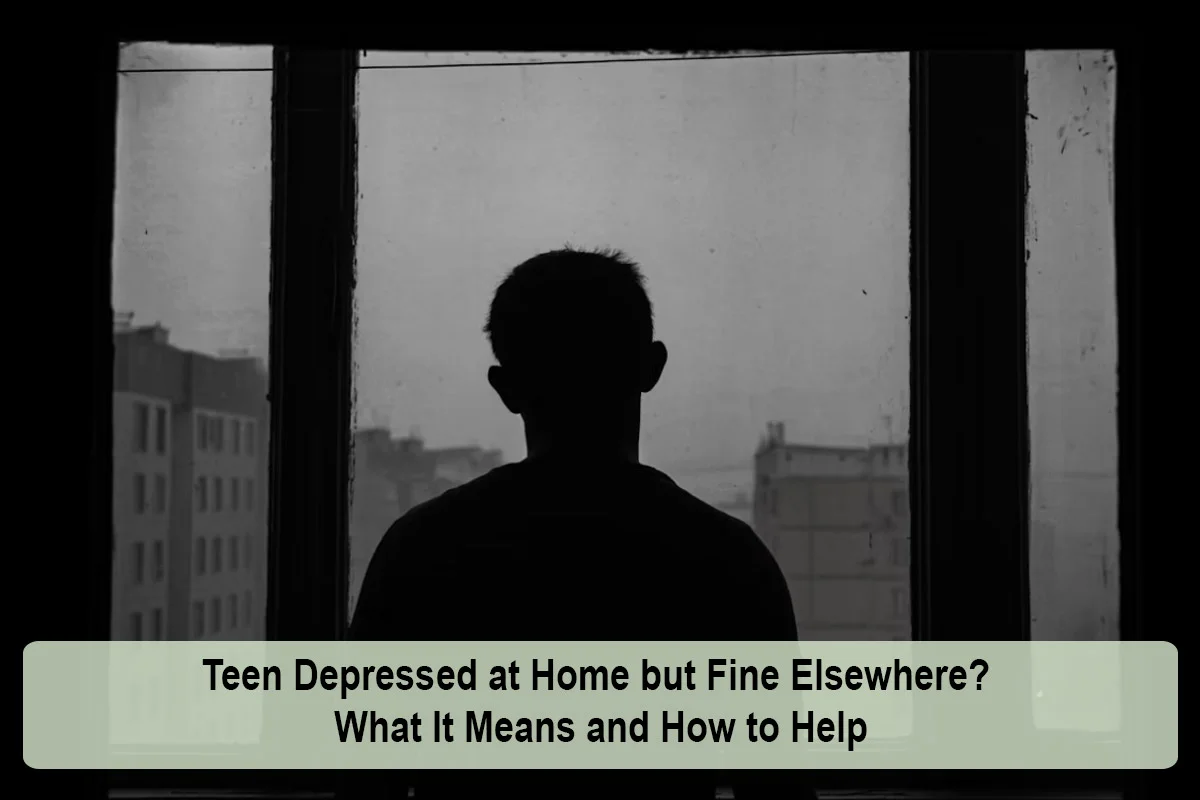
At school, your teen seems fine. Teachers say they are polite, friends text constantly, and their social media looks happy. But at home, they are a different person: withdrawn, irritable, tearful, sleeping all the time, or silent behind a closed door. If your teen seems depressed at home but fine everywhere else, you may wonder whether it is real depression or just a reaction to family life. This pattern is common, and it does not mean your teen is faking or that home is the problem. Many teens use all their energy to hold it together in public and fall apart in the place they feel safest. This guide explains why teens can seem depressed only at home, how to recognize real depression, how to support your teen at home, and when to get professional help.
Masking feelings all day at school is exhausting. Many teens hold back sadness, anxiety, or anger around peers and teachers, then release it at home where they feel accepted and less judged.
Some teens keep up grades, activities, and friendships while struggling with depression privately. Because they look successful, their pain can go unnoticed outside the home.
Teens may fear being judged, labeled dramatic, or excluded if they show sadness at school or online, so they put on a happy face.
School, activities, and social demands can leave teens with nothing left by evening, which can look like depression at home.
Conflict at home, divorce, a sick family member, or financial strain can affect mood specifically at home. This does not mean parents are to blame, but it is worth considering.
Teens who feel disconnected from family members may seem flat or sad at home even if they enjoy time with friends.
Depression is one of the most common mental health conditions in adolescence. The National Institute of Mental Health estimates that 20.1% of adolescents ages 12 to 17 had a major depressive episode in 2021, including 29.2% of girls and 11.5% of boys. The CDC's 2023 Youth Risk Behavior Survey found that 39.7% of high school students felt persistently sad or hopeless in the past year.
| Typical Teen Moodiness | Possible Depression |
|---|---|
| Grumpy for a day or two after a bad day | Sad or irritable most days for two weeks or more |
| Still enjoys favorite activities | Loses interest in nearly everything |
| Normal sleep and appetite | Major changes in sleep or appetite |
| Joins family sometimes | Withdraws from family almost completely |
| Hopeful about the future | Feels hopeless or worthless |
| No thoughts of self-harm | Talks about self-harm, death, or not wanting to be alive |
When teachers and friends see a happy, successful teen, parents may doubt what they see at home. But depression that shows only at home is still real and still deserves attention. In fact, masking can be exhausting and isolating, and teens who hide their struggles may be less likely to get help. Your observations at home are valuable information for doctors and therapists.
| Avoid Saying | Try Saying |
|---|---|
| "You are fine at school, so you must be faking." | "It sounds like you are working really hard to hold it together." |
| "Just cheer up." | "I am here, and we will figure this out together." |
| "You have nothing to be sad about." | "You do not need a reason to feel this way." |
| "Why are you always so moody with us?" | "Is something at home making things harder?" |
Sometimes depression appears at home because something at home is adding stress. Gently consider whether there is ongoing conflict between parents, pressure about grades, sibling tension, a recent loss, or lack of privacy. Making small changes, such as reducing arguments, softening criticism, and making time for positive interactions, can help. Family therapy is a supportive way to work through these issues together without blame.
For teens who mask all day, the transition home can be the hardest moment. Consider building in a predictable, low-demand period after school, such as a snack, quiet time, music, or a walk, before asking about homework, chores, or the day. Avoid launching into questions or reminders as soon as they walk in. Over time, this buffer can reduce after-school meltdowns and make it easier for your teen to open up later in the evening.
A depressed teen's withdrawal and irritability can affect everyone at home. Explain to siblings, in simple terms, that their brother or sister is going through a hard time and is getting help. Protect family routines and positive moments, and make sure other children still get attention. Parents should also look after their own wellbeing, since supporting a depressed teen can be emotionally draining.
Share your concerns with the school counselor, even if your teen seems fine at school. Counselors can watch for subtle signs, check in with your teen, and coordinate support. Teens who mask at school may still benefit from a trusted adult there.
Contact your teen's doctor or a mental health professional if signs of depression last more than two weeks, worsen, or affect daily life, even if your teen seems fine elsewhere. Seek help immediately if your teen talks about self-harm or suicide. Effective treatments include cognitive behavioral therapy, interpersonal therapy, family therapy, and medication when appropriate. Learn more about depression treatment, and read our guides on teen emotional numbness and when a teen suddenly hates the family. Browse programs on our adolescent treatment page, including Nexus Teen Academy in Scottsdale and Nexus Teen Academy in Cave Creek. If your teen is in crisis, call or text 988 or call 911.
Healing often starts with feeling understood. When your teen knows home is a place where their feelings are accepted, not judged, they are more likely to accept help.
Trust what you see at home. Even if others see a thriving teen, your instincts about changes in mood and behavior matter, and reaching out to a professional for guidance is always reasonable.
A teen who seems depressed at home but fine elsewhere is not faking. Many teens mask their feelings in public and release them where they feel safest, and some live with high-functioning depression that others never see. Watch for persistent sadness, irritability, withdrawal, and changes in sleep and appetite, support your teen with calm connection and healthy routines, ask directly about safety, and seek professional help if signs last more than two weeks. Your observations at home matter.
This article was reviewed by the RehabsNearMe Editorial Team for accuracy, clarity, and relevance. Information may be sourced from publicly available treatment resources, government agencies, and healthcare references where applicable.
Last reviewed: October 2026
Resources
 Resources
 Resources
 Resources