
 Resources
Teen Gives Up on School? Why It Happens and How to Help
Published On 25-10-2026
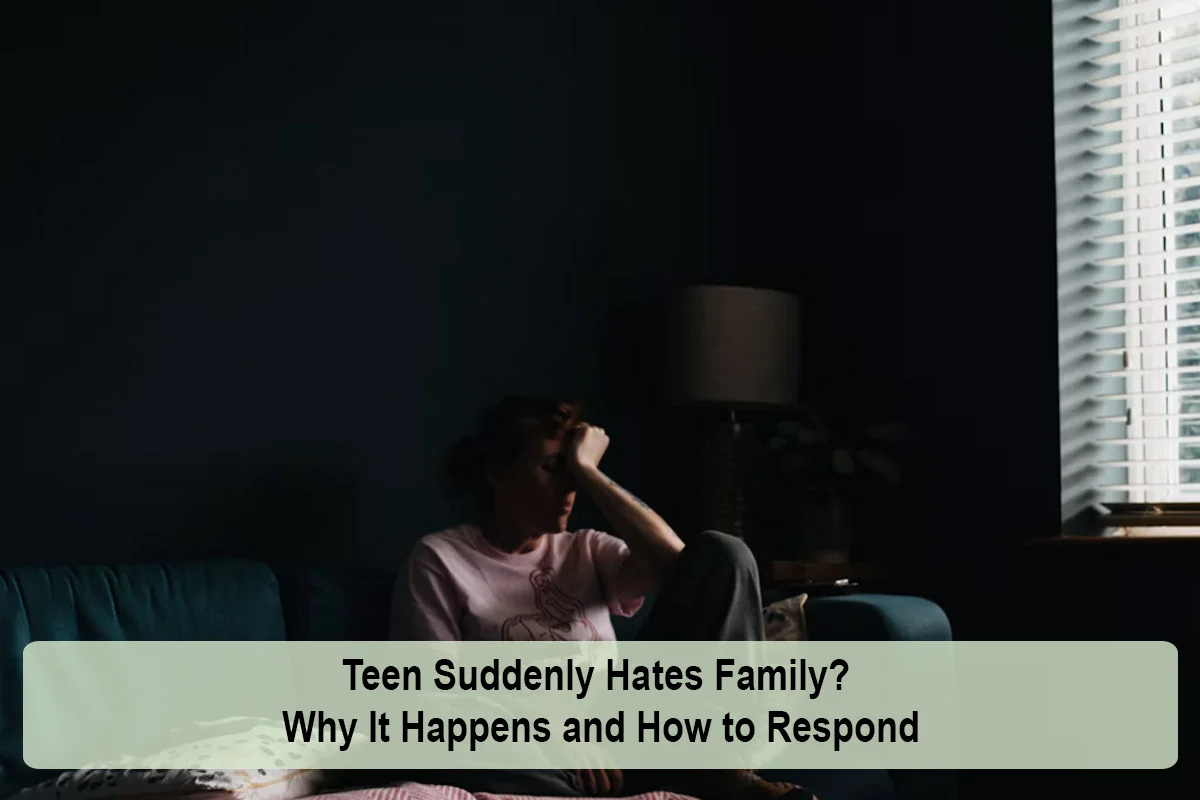
It can happen almost overnight. Your teen, who used to join family dinners, laugh at your jokes, and tag along on outings, now hides in their room, snaps at everyone, and says they hate the family. When a teen suddenly hates their family, parents often feel hurt, confused, and rejected. But a sudden shift toward hostility is rarely about true hatred. It is usually a sign that something is going on underneath, whether that is normal adolescent development, stress, a mental health problem, or a painful situation your teen has not shared. This guide explains why teens suddenly turn against their families, the warning signs to watch for, how to respond without making things worse, and when to get professional help.
Almost always, no. When teens say "I hate you" or "I hate this family," they are usually expressing pain, frustration, embarrassment, or powerlessness, not a settled feeling. Teens often save their worst moods for home because home feels safe. They may hold everything together at school and with friends, then release built-up stress on the people they trust not to leave. That does not make cruelty acceptable, but it can help parents respond with steadiness instead of hurt.
Adolescence is a time of separating from parents and building an identity. Some distance, more privacy, and more time with friends are healthy. When this need for independence feels blocked, teens may express it through anger and rejection.
According to the National Institute of Mental Health's guide The Teen Brain: 7 Things to Know, the brain continues developing into the mid to late 20s, and the areas that manage impulse control mature last. Combined with hormonal changes, this can make teens more reactive and sensitive.
In teens, depression often looks like irritability, anger, and withdrawal rather than sadness. NIMH estimates that 20.1% of adolescents ages 12 to 17 had a major depressive episode in 2021. Anxiety can also show up as hostility when a teen feels overwhelmed. Learn more about depression and anxiety in teens.
A sudden change in behavior can follow something your teen has not told you about, such as bullying, sexual harassment or assault, a breakup, online exploitation, or witnessing violence. Teens who have experienced trauma may become hypervigilant, quick to anger, and distrustful.
The National Center for Education Statistics reports that about one in five students ages 12 to 18 were bullied at school in 2021 to 2022. Teens who are rejected or harassed by peers often redirect that pain toward family.
Divorce, a new stepparent, a move, a new sibling, financial strain, a parent's illness, or the death of a loved one can leave teens angry without the words to explain why.
Drug or alcohol use can cause mood swings, secrecy, and conflict, especially when parents set limits. Sudden hostility combined with new friends, missing money, or changes in sleep may point to substance use.
High expectations, constant criticism, comparisons with siblings, or rules that do not adjust as a teen matures can build resentment over time until it boils over.
Late-night phone use, chronic sleep loss, and social media comparison can leave teens irritable and emotionally raw. Our teen phone addiction statistics show how heavy screen time links to anxiety and depression symptoms.
| Usually Normal | Warning Signs to Take Seriously |
|---|---|
| Wanting more privacy and time with friends | Complete withdrawal from family and friends |
| Some eye rolling and irritability | Constant hostility, cruelty, or threats |
| Skipping some family activities | Refusing all contact and staying isolated in their room |
| Moods that pass within a day | Irritability or sadness most days for two weeks or more |
| Stable grades and interests | Falling grades, dropping activities, sleep or appetite changes |
| Change that develops gradually | A sudden, dramatic shift with no clear explanation |
| No signs of risky behavior | Substance use, self-harm, or talk of hopelessness |
| Avoid Saying | Try Saying |
|---|---|
| "Fine, I hate you too." | "I love you, even when you are this angry with me." |
| "After everything I have done for you?" | "It sounds like something is really bothering you." |
| "Go to your room and do not come out." | "Let's take a break and talk when we are both calmer." |
| "You are so ungrateful." | "I want to understand what is going on for you." |
| "You will regret saying that." | "Those words hurt, and I am still here for you." |
Being rejected by your own child is painful. It is normal to feel hurt, angry, or even grief for the closeness you used to have. Talk with a partner, friend, support group, or counselor rather than carrying it alone. Try not to let your teen's words define your worth as a parent. Taking care of your own sleep, stress, and relationships helps you stay steady, which is exactly what your teen needs, even if they cannot say so.
Sibling rivalry, perceived favoritism, or older teens taking out frustration on younger siblings can fuel family conflict. Protect younger siblings from cruelty, avoid comparisons, and give each child individual attention. Family meetings can help everyone feel heard.
If your teen's attitude changed after a particular event, such as a new school, a party, a breakup, or a new online friendship, gently explore it. Sudden changes after a specific event can point to bullying, assault, exploitation, or another painful experience your teen may feel ashamed to share. Let them know they will not be in trouble for telling you if something bad happened to them.
Do not force it. Start with neutral topics, like a favorite show or sport, and let deeper conversations come later. Texting can feel easier for some teens. Sometimes a trusted adult outside the family, such as a coach, school counselor, or relative, is the person they will open up to first, and that is okay.
Reach out to your teen's pediatrician or a mental health professional if hostility is sudden and severe, lasts more than a couple of weeks, or comes with withdrawal, sleep or appetite changes, falling grades, substance use, self-harm, or talk of hopelessness. Family therapy can help everyone communicate and rebuild trust, while cognitive behavioral therapy and dialectical behavior therapy help teens manage emotions. Many families notice early improvements within a few weeks of consistent therapy, though deeper change often takes several months. Read related guides on teen anger toward mothers and teen emotional numbness, and browse programs on our adolescent treatment page, including Nexus Teen Academy in Scottsdale and Nexus Teen Academy in Cave Creek. If your teen is in crisis, call or text 988.
When a teen suddenly hates their family, it is usually a sign of distress, not true hatred. Normal independence, a developing brain, depression, anxiety, trauma, bullying, family changes, substance use, and sleep loss can all play a role. Stay calm, connect before correcting, set boundaries on hurtful behavior, and keep the door open. If the change is sudden, severe, or comes with other warning signs, get professional help to uncover what is underneath and help your family reconnect.
This article was reviewed by the RehabsNearMe Editorial Team for accuracy, clarity, and relevance. Information may be sourced from publicly available treatment resources, government agencies, and healthcare references where applicable.
Last reviewed: October 2026
Resources
 Resources
 Resources
 Resources