
 Resources
Scromiting: Meaning, Symptoms, Causes, and Treatment
Published On 17-11-2026
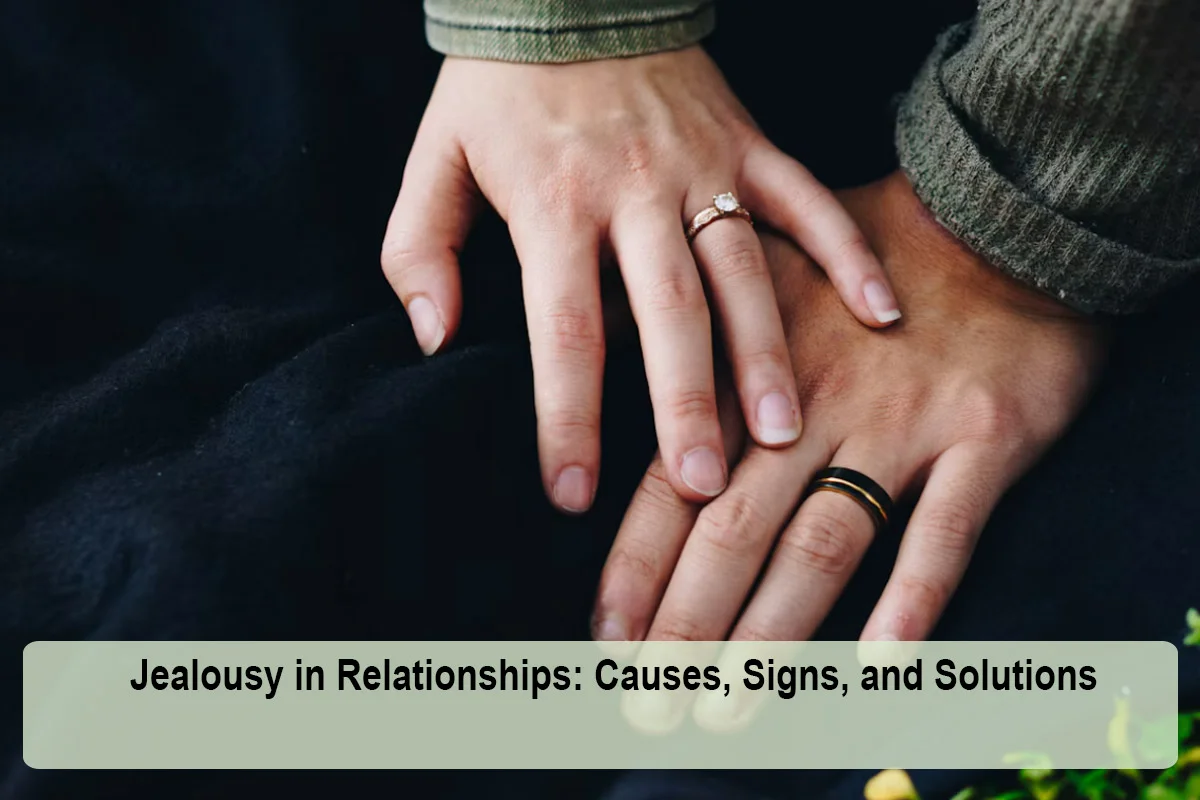
Jealousy is a normal human emotion. It shows up when we fear losing someone or something we value, and almost everyone feels it at some point in a relationship. In small doses, it can even signal that a relationship matters to us. But when jealousy becomes constant, leads to accusations, or turns into checking a partner's phone and controlling who they see, it damages trust and can become a warning sign of an unhealthy or abusive relationship.
This guide explains what causes jealousy in relationships, how to tell healthy jealousy from harmful jealousy, the signs to watch for in yourself and your partner, practical solutions for both people, and when jealousy crosses into control. If you feel unsafe, contact the National Domestic Violence Hotline at 800-799-7233 or text START to 88788. Teens and young adults can reach love is respect at 866-331-9474 or text LOVEIS to 22522.
Jealousy is a mix of emotions, often fear, insecurity, anger and sadness, triggered by a perceived threat to a valued relationship. It is different from envy. Envy is wanting what someone else has. Jealousy is fear of losing what you have, often to a third person.
| Healthy jealousy | Unhealthy jealousy |
|---|---|
| A passing feeling that you notice and talk about | Constant suspicion that does not go away |
| Based on a real event | Based on imagined scenarios or "what ifs" |
| Expressed calmly: "I felt a little insecure when..." | Expressed through accusations, anger or silent treatment |
| Leads to reassurance and closeness | Leads to checking, monitoring or controlling |
| Partner keeps their friends and independence | Partner is pressured to cut off friends or report their every move |
If you doubt your own worth, you may assume your partner will find someone better. Building self-worth often reduces jealousy. Our self-esteem worksheets can help.
Being cheated on, in this or a past relationship, can leave you on high alert for signs it will happen again.
People who experienced loss, neglect or unstable relationships growing up may feel intense fear when a partner seems distant.
Anxious minds fill gaps with worst-case stories. A late reply becomes evidence of betrayal.
Likes, follows, comments and old photos create endless ambiguous signals to interpret.
Sometimes jealousy is a response to genuine issues: secrecy, broken promises or flirting that crosses agreed boundaries.
Jealousy is sometimes used to excuse controlling behavior: "I only check your phone because I love you." The CDC defines psychological aggression in intimate partner violence as using verbal and non-verbal communication to harm a partner mentally or emotionally or to exert control over a partner. Warning signs that jealousy has crossed this line include:
Abuse can begin early in life. According to the CDC, about 16 million women and 11 million men in the US first experienced intimate partner violence before age 18. If any of these signs sound familiar, reach out to the National Domestic Violence Hotline (800-799-7233, text START to 88788) or love is respect (866-331-9474, text LOVEIS to 22522). In an emergency, call 911.
| Step | Example |
|---|---|
| Describe the situation | "When you were texting late last night..." |
| Share your feeling | "...I felt insecure and left out." |
| Own your part | "I know some of this comes from my last relationship." |
| Ask for something specific | "Could we put phones away during dinner?" |
| Listen to their side | "How did that night look from your side?" |
Teens are still learning what healthy relationships look like, and jealousy is often mistaken for proof of love. Parents can help by talking openly about respect, trust and independence, and by naming controlling behaviors such as constant texting demands, checking phones or isolating someone from friends. Teens can contact love is respect at 866-331-9474 or text LOVEIS to 22522 for confidential support. For more on how parents influence these patterns, see our guide on setting boundaries with teens.
Attachment theory describes how early relationships shape the way we connect as adults. People with a more anxious attachment style may feel strong fear when a partner seems distant and seek frequent reassurance, which can show up as jealousy. Understanding your pattern is not an excuse for controlling behavior, but it can help you respond to jealous feelings with self-awareness instead of accusations. Therapy can help people build more secure ways of relating.
| Topic | Questions to agree on |
|---|---|
| Following and liking | What feels respectful? What feels hurtful? |
| Messaging exes | Is it okay? Under what circumstances? |
| Posting about the relationship | What do we each want shared publicly? |
| Phone privacy | What stays private? What do we share openly? |
| Screen time together | When do phones go away, such as during meals? |
Agreements should feel mutual and fair. If one person sets all the rules and enforces them through monitoring, that is control, not an agreement.
Ask yourself honestly:
If you answered yes to several, it may be time to get support.
If jealousy has led to accusations or monitoring, trust needs repair on both sides. The jealous partner can apologize specifically, stop checking behaviors completely and work on underlying insecurity. The other partner can share feelings about what happened and agree on reasonable transparency, without giving up privacy. Small, kept promises over time rebuild trust more than big gestures.
Consider therapy if jealousy causes frequent conflict, you cannot stop monitoring, it is linked to anxiety, depression or past trauma, or it is damaging a relationship you want to keep. Individual therapy can address insecurity and anxiety, and couples counseling can rebuild trust when both partners are committed and safe. Couples counseling is generally not recommended when there is abuse; individual support and safety planning come first. Other helpful approaches include CBT, acceptance and commitment therapy and trauma-specific therapy. If jealousy is tied to codependency or anxiety, see anxiety treatment. You can also search FindTreatment.gov or call the SAMHSA National Helpline at 1-800-662-4357.
Jealousy in relationships is normal as a passing feeling and harmful as a pattern of suspicion and control. Understand where it comes from, talk about it honestly, ask for reasonable reassurance and resist the urge to monitor. If you are on the receiving end, keep your independence and set boundaries. And if jealousy has turned into control, fear or violence, reach out for confidential help. Healthy love leaves room for both people to breathe.
This article was reviewed by the RehabsNearMe Editorial Team for accuracy, clarity, and relevance. Information may be sourced from publicly available treatment resources, government agencies, and healthcare references where applicable.
Last reviewed: November 2026
Resources
 Resources
 Resources
 Resources