
 Resources
Scromiting: Meaning, Symptoms, Causes, and Treatment
Published On 17-11-2026
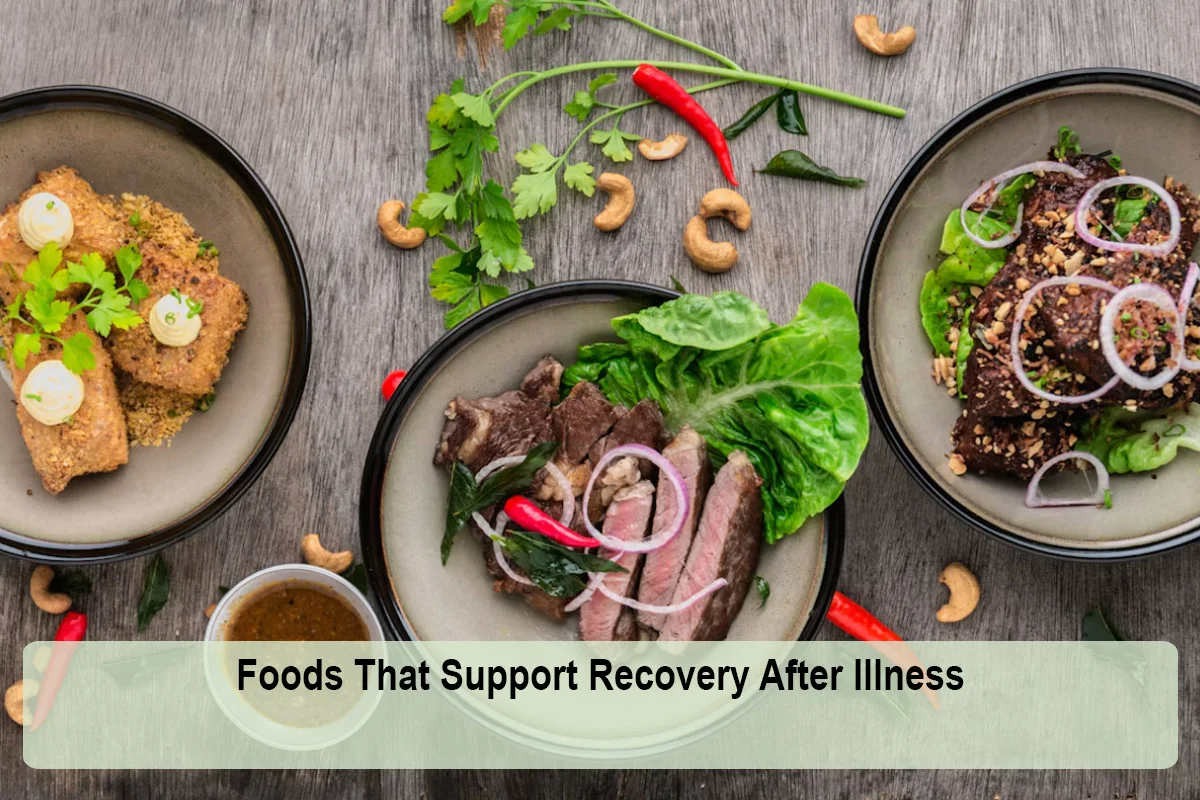
The best foods to support recovery after illness are the ones you can keep down that replace fluids, salts, protein and calories, starting gently and moving back to a normal, balanced diet as quickly as your body allows. That last part surprises many people. Pediatric experts no longer recommend staying on bland "BRAT" foods for days, and new research on hospital stays shows how fast muscle disappears when protein and movement drop. This guide organizes recovery eating by phase and by symptom, separates useful advice from myths, and includes a section most nutrition articles skip: eating to recover after alcohol or drug use.
This article is general information, not medical advice. Follow any diet your doctor gives you after surgery, for diabetes, kidney disease or other conditions.
| Phase | Main goal | Foods and drinks that usually work |
|---|---|---|
| Acute (fever, vomiting, first day or two) | Fluids and salts | Water, oral rehydration solution, broth, ice pops, small sips often |
| Early recovery (appetite returning) | Easy energy and some protein | Soup with chicken or noodles, rice, toast, oatmeal, eggs, yogurt, bananas |
| Rebuilding (energy improving) | Protein, vitamins and minerals | Fish, poultry, beans, lentils, dairy, cooked vegetables, fruit, whole grains |
| Back to normal | Balanced diet and regained strength | Your usual healthy diet, with protein at each meal and regular activity |
Fever, sweating, vomiting and diarrhea all drain water and salts. MedlinePlus, the National Library of Medicine's consumer site, advises people with diarrhea to drink 8 to 10 glasses of clear fluids a day, with water as the best choice, and at least 1 cup for every loose bowel movement. It also suggests salty foods such as pretzels, soup and sports drinks, and potassium-rich foods such as bananas and potatoes.
For children, the American Academy of Pediatrics' HealthyChildren.org explains that commercial oral rehydration solutions replace water and salts in the right balance, while soda, juice, sports drinks and soups do not. It advises against homemade versions.
Limit caffeine, alcohol and very sugary drinks until you feel better. MedlinePlus lists caffeine, alcohol and carbonated drinks among things to avoid with diarrhea.
| Symptom or situation | Try | Go easy on |
|---|---|---|
| Sore throat or cough | Warm soups, oatmeal, scrambled eggs, smoothies, yogurt, honey in warm drinks (over age 1) | Crunchy, spicy or very acidic foods |
| Nausea | Crackers, toast, rice, plain potatoes, ginger tea, cold foods with little smell | Greasy, fried or strongly scented meals |
| Diarrhea | White rice, pasta, bananas, baked potatoes, cooked carrots, baked chicken or fish, eggs | Fried foods, gas-producing vegetables, beans, caffeine, alcohol |
| After antibiotics | Yogurt or kefir with live cultures, fiber as tolerated | Assuming any probiotic will help; ask your clinician |
| Low appetite | Small meals every 2 to 3 hours, nut butters, milk, cheese, eggs, smoothies | Waiting for a "proper" meal |
| After a hospital stay or surgery | Protein at each meal, soft fruits and vegetables, fiber and fluids to prevent constipation | Skipping meals, long periods in bed |
Bananas, rice, applesauce and toast (BRAT) were once standard advice for stomach bugs. HealthyChildren.org now says the BRAT diet is no longer considered useful, because it is low in fiber, protein and fat and may prolong symptoms. It recommends that children return to a normal, balanced diet, including fruits, vegetables, meat, yogurt and complex carbohydrates, ideally within 24 hours of getting sick, unless vomiting or severe diarrhea require a pause.
BRAT foods are still fine as a starting point when your stomach is unsettled. The mistake is staying on them for days.
Illness and bed rest break down muscle quickly, especially in older adults. A 2007 study in JAMA, reported by News-Medical, put 12 healthy adults with an average age of 67 on 10 days of bed rest. They lost about 1.5 kg (over 3 pounds) of lean body mass, nearly 1 kg of it from the legs, and muscle protein building fell by about 30%. The older adults lost more leg muscle in 10 days than younger adults lost in 28 days in an earlier study.
That is why rebuilding protein matters, especially after the flu, COVID-19, pneumonia or surgery. Simple ways to add it:
Pair protein with gentle movement, such as short walks, as soon as your doctor says it is safe. Food alone does not rebuild muscle.
Somewhat, and for more than one reason. A 2000 laboratory study in the journal CHEST from the University of Nebraska Medical Center found that chicken soup slowed the movement of neutrophils, white blood cells involved in inflammation. The researchers called the evidence limited because it was done in a lab, not in sick people. Still, chicken soup also delivers fluid, sodium, protein and warmth, which are useful during a cold no matter what the lab findings show.
| Supplement | What the evidence shows | Caution |
|---|---|---|
| Zinc lozenges | The NIH Office of Dietary Supplements notes a 2024 Cochrane review found zinc may shorten colds by about 2 days, with low-certainty evidence; starting early seems to matter | Adult upper limit is 40 mg a day; long-term high doses can lower copper levels |
| Probiotics | NCCIH reports moderate-quality evidence that probiotics reduce antibiotic-associated diarrhea and C. difficile risk | Higher risk for people who are very ill or have weakened immune systems |
| Mega-dose vitamin C | Not a cure; food sources such as citrus, berries and peppers are a simple way to meet needs | Very high doses can upset the stomach |
| Multivitamins | May help if you ate poorly for a long time | Not a substitute for real food |
Always check with a doctor or pharmacist before starting supplements, especially if you take other medications.
Recovery after illness has a parallel in addiction recovery. Heavy alcohol or drug use often leaves the body depleted. The National Institute on Alcohol Abuse and Alcoholism explains that people with severe alcohol use disorder often eat poorly and that heavy drinking reduces the body's ability to absorb thiamine (vitamin B1). Thiamine deficiency can lead to Wernicke-Korsakoff syndrome, a serious brain disorder that NIAAA says is treated as a medical emergency with intravenous thiamine.
That is one reason medical detox programs check nutrition and often give vitamins. Early recovery meals look a lot like recovery after illness: steady hydration, regular protein, whole grains, fruit and vegetables, and small frequent meals when appetite is low. Many treatment programs include nutrition counseling for this reason. If you are planning to stop drinking after heavy daily use, do not do it alone; see whether you need medically supervised detox. Our article on what happens after 30 days without alcohol explains how appetite and energy often return.
Nutrition also affects mood. Our guide to nutrition and mental health covers the link between diet, energy and emotional well-being.
| Time | Early recovery | Rebuilding |
|---|---|---|
| Breakfast | Oatmeal with banana, water or oral rehydration solution | Scrambled eggs, whole-grain toast, berries, milk or yogurt |
| Midmorning | Crackers and a few sips of broth | Greek yogurt with honey |
| Lunch | Chicken noodle soup | Chicken or bean wrap with cooked vegetables |
| Afternoon | Applesauce or an ice pop | Smoothie with fruit, yogurt and nut butter |
| Dinner | White rice with baked fish and cooked carrots | Salmon or lentils, potatoes, green beans, side salad |
MedlinePlus advises contacting a provider if diarrhea does not improve within 2 days for an infant or child or 5 days for an adult, or if there is blood or mucus in the stool, a fever that will not go away, persistent stomach pain, or nausea and vomiting. Also seek care for signs of dehydration such as very little urine, dizziness, confusion or a racing heartbeat, and for unintended weight loss after illness.
Recovery eating is simple in principle: fluids first, gentle foods next, then a quick return to balanced meals with plenty of protein. Skip the extreme diets and miracle supplements, listen to your appetite, and move a little more each day. If illness, drinking or a mental health condition has disrupted your eating for a long time, a doctor or dietitian can help you rebuild safely.
This article was reviewed by the RehabsNearMe Editorial Team for accuracy, clarity, and relevance. Information may be sourced from publicly available treatment resources, government agencies, and healthcare references where applicable.
Last reviewed: November 2026
Resources
 Resources
 Resources
 Resources