
 Resources
Positive Coping Skills for Teens: 44 Healthy Ways to Manage Stress
Published On 25-10-2026
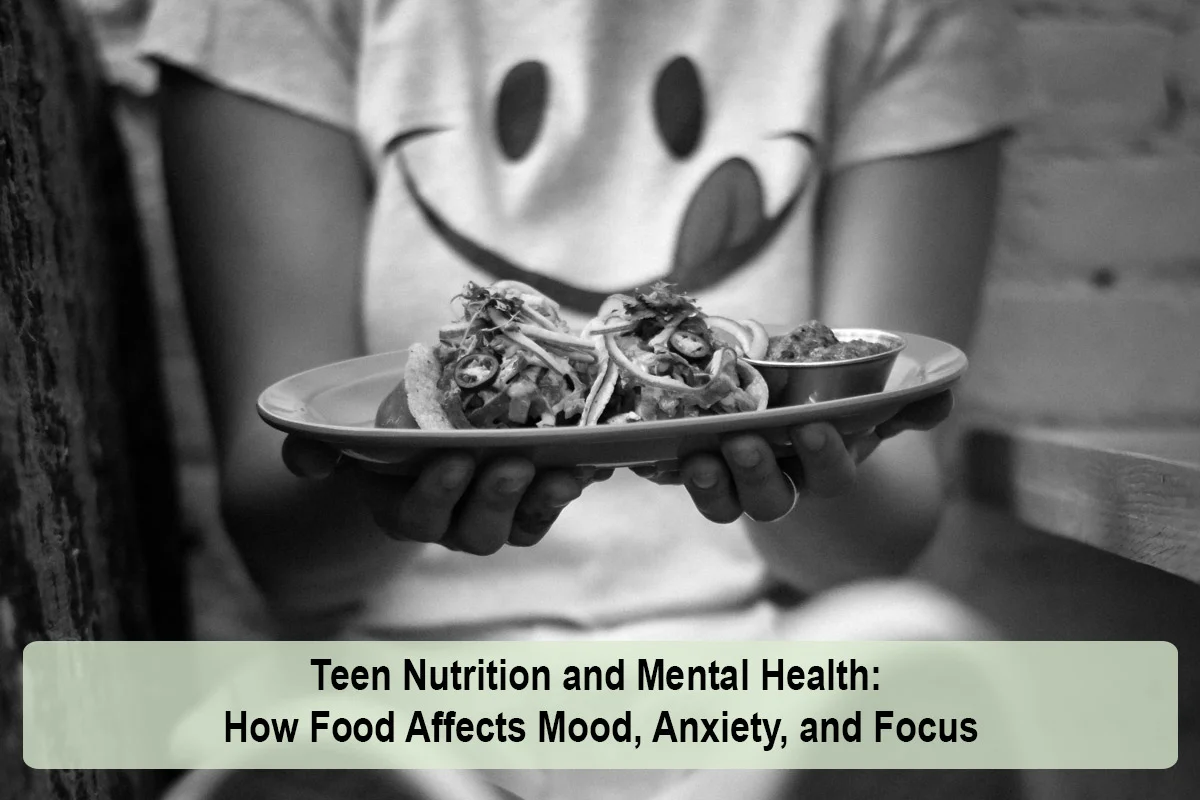
What teens eat affects more than their growth and energy. It also influences mood, focus, sleep, and stress. Skipped breakfasts, energy drinks, and late-night junk food can leave teens irritable, anxious, and drained, while regular, balanced meals help keep energy and emotions steadier. At the same time, depression, anxiety, and stress can change how and what teens eat. This guide explores the connection between teen nutrition and mental health: how food affects the brain and mood, the eating habits that can worsen anxiety or depression, the role of caffeine and energy drinks, the gut-brain connection, how mental health affects eating, warning signs of disordered eating, and practical ways parents can support both healthy eating and emotional wellbeing.
For specific nutrient and calorie recommendations, see our guide to nutritional needs for teenagers.
The teen brain is still developing well into the mid-20s, according to the National Institute of Mental Health's guide The Teen Brain: 7 Things to Know. The brain uses a large share of the body's energy and relies on a steady supply of nutrients to function well. Nutrition is not a cure for mental illness, but it is one piece of the puzzle, alongside sleep, physical activity, relationships, and professional care when needed.
Mental health struggles are common among teens. The CDC's 2023 Youth Risk Behavior Survey found that 39.7% of high school students felt persistently sad or hopeless in the past year.
Skipping meals or relying on sugary snacks can lead to spikes and crashes in blood sugar, which may cause irritability, fatigue, trouble concentrating, and feeling shaky or anxious. Meals that combine protein, fiber, and healthy fats provide steadier energy.
Nutrients such as omega-3 fatty acids, iron, B vitamins, zinc, and magnesium support brain function. Iron deficiency, which is common in teen girls, can cause fatigue, poor concentration, and low mood.
Even mild dehydration can affect concentration, energy, and mood. Teens who drink mostly soda or energy drinks may not be getting enough water.
Researchers are studying how the gut and brain communicate. Diets rich in fiber, fruits, vegetables, whole grains, and fermented foods support a healthy gut, and some research suggests this may be linked to better mood, though more studies are needed.
Research has linked eating patterns high in fruits, vegetables, whole grains, fish, and legumes with better mental health, while diets high in ultra-processed foods and sugar have been linked to higher rates of depressive symptoms. These are associations, and it is difficult to separate diet from other lifestyle factors.
| Habit | Possible Effect on Mood | Healthier Swap |
|---|---|---|
| Skipping breakfast | Low energy, irritability, poor focus | Quick breakfast with protein, such as yogurt and fruit or eggs and toast |
| Energy drinks and lots of caffeine | Anxiety, jitteriness, poor sleep | Water, milk, or herbal tea |
| Sugary snacks and soda | Energy crashes and irritability | Fruit, nuts, cheese, or whole-grain crackers |
| Long gaps between meals | Low blood sugar, shakiness, anxiety | Regular meals and snacks every 3 to 4 hours |
| Late-night junk food | Poor sleep and next-day fatigue | Lighter snacks earlier in the evening |
| Restrictive dieting | Irritability, preoccupation with food, low mood | Balanced, flexible eating |
Energy drinks are popular with teens, but they can contain large amounts of caffeine and sugar. The FDA notes that energy drinks generally contain 54 to 328 milligrams of caffeine per 16 fluid ounces, and that medical experts advise against energy drinks for children and teens because of their sugar and caffeine levels. Too much caffeine can cause a faster heartbeat, anxiety, jitteriness, trouble sleeping, stomach upset, and headaches. For teens already prone to anxiety or sleep problems, caffeine can make symptoms worse. Encourage water and unsweetened drinks, and avoid caffeine in the afternoon and evening.
The relationship goes both ways. Mental health conditions can change eating habits:
Eating disorders are serious mental illnesses that often begin in adolescence. The National Institute of Mental Health reports that 2.7% of adolescents ages 13 to 18 have had an eating disorder, including 3.8% of girls and 1.5% of boys. Warning signs include:
If you notice these signs, talk with your teen's doctor promptly. Learn more on our eating disorder treatment page and in our guide on when a teen avoids family dinner.
| Meal | Example |
|---|---|
| Breakfast | Oatmeal with berries and nuts, or eggs with whole-grain toast |
| Snack | Greek yogurt with fruit |
| Lunch | Turkey or bean wrap with vegetables and a piece of fruit |
| After school | Apple with peanut butter or hummus with veggies |
| Dinner | Salmon or chicken, brown rice, and roasted vegetables |
| Drinks | Water and milk instead of soda and energy drinks |
Nutrition does not work alone. Teens who sleep poorly often crave sugary foods and caffeine, and teens who exercise regularly tend to have better appetite regulation and mood. The CDC reports that only 24% of high school students got at least 8 hours of sleep on school nights in 2025. Supporting sleep, movement, and balanced meals together has the biggest impact on mood and energy.
Some supplements, such as omega-3s, vitamin D, or iron, may help teens who are deficient, but evidence for supplements treating depression or anxiety is mixed. Talk to your teen's doctor before starting supplements, especially if your teen takes medication, and do not use supplements in place of professional treatment.
How parents talk about food matters. Focus on how food helps teens feel energized, strong, and focused rather than on weight or appearance. Avoid comments like "You shouldn't eat that" or "That's fattening." Instead, try "Let's grab something with protein so you have energy for practice." Positive, practical language helps teens build a healthy relationship with food and reduces the risk of disordered eating.
Encourage curiosity about food by trying new recipes together and exploring different cuisines.
Talk to your teen's doctor or a mental health professional if your teen has persistent changes in appetite or weight, signs of disordered eating, ongoing sadness, anxiety, or irritability, heavy reliance on caffeine or energy drinks, or substance use. Treatment may include cognitive behavioral therapy, family therapy, nutrition counseling, and specialized eating disorder care. Browse programs on our adolescent treatment page, including Nexus Teen Academy in Cave Creek. If your teen is in crisis, call or text 988.
Small changes, like adding breakfast, swapping energy drinks for water, or one extra family meal a week, can make a noticeable difference in how teens feel.
Teen nutrition and mental health are closely connected. Regular, balanced meals, enough water, and nutrient-rich foods support steadier energy, focus, and mood, while skipped meals, sugary foods, and energy drinks can worsen irritability, anxiety, and sleep. Mental health conditions also affect eating, and eating disorders often begin in adolescence. Support your teen with regular family meals, healthy options at home, limits on caffeine, and a positive relationship with food, and seek professional help for persistent eating or mood changes.
This article was reviewed by the RehabsNearMe Editorial Team for accuracy, clarity, and relevance. Information may be sourced from publicly available treatment resources, government agencies, and healthcare references where applicable.
Last reviewed: October 2026
Resources
 Resources
 Resources
 Resources