
 Resources
Positive Coping Skills for Teens: 44 Healthy Ways to Manage Stress
Published On 25-10-2026
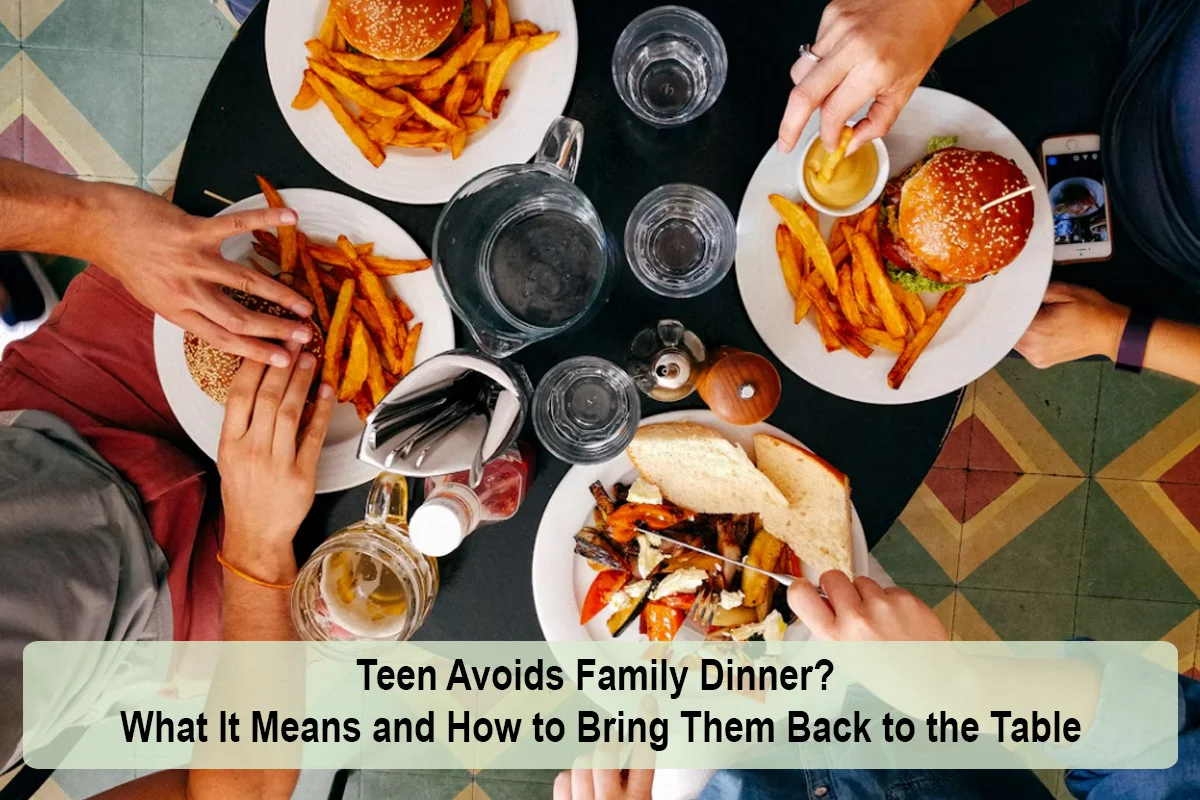
The table is set, dinner is ready, and your teen's chair is empty again. Maybe they say they are not hungry, they ate earlier, they have homework, or they just want to eat in their room. When a teen avoids family dinner, parents often feel hurt and wonder whether it is normal teenage independence or a sign of something more concerning. Sometimes it is about schedules, screens, or wanting space. But avoiding meals can also be an early sign of depression, family tension, or an eating disorder. This guide explains why teens skip family dinners, the warning signs to take seriously, how to make family meals more appealing, and when to seek help.
Family meals are one of the few regular times many families come together. Shared meals offer a chance to check in, talk about the day, and notice changes in mood or behavior. Regular family meals are also an opportunity to model healthy eating and to see how much and how your teen is eating. That is why a pattern of avoiding family dinner deserves attention, even if it turns out to be harmless.
Avoiding family meals is a common early sign of eating disorders, since teens who are restricting, bingeing, or purging often want to hide their eating. The National Institute of Mental Health reports that 2.7% of adolescents ages 13 to 18 have had an eating disorder, including 3.8% of girls and 1.5% of boys. Warning signs include skipping meals, saying they already ate, eating very small portions, rigid food rules, going to the bathroom right after eating, excessive exercise, and noticeable weight changes. Learn more on our eating disorder treatment page.
Depression can reduce appetite, energy, and interest in social contact, leading teens to withdraw from family meals. NIMH estimates that 20.1% of adolescents ages 12 to 17 had a major depressive episode in 2021. See our page on depression treatment.
Some teens feel anxious at the dinner table, especially if conversations tend to involve questions about grades, criticism, or conflict.
If dinner often turns into arguments, lectures, or tension, avoiding it may feel safer.
Teens worried about their weight or appearance may avoid eating in front of others.
Some teens avoid family meals to hide being high or intoxicated, or because substances have changed their appetite.
| Likely Normal | Possible Warning Sign |
|---|---|
| Misses dinner sometimes because of activities | Avoids family meals almost every day |
| Eats well at other times | Seems to eat very little or hides eating |
| Stable weight and energy | Noticeable weight loss or gain, fatigue, dizziness |
| Normal mood | Sadness, irritability, or withdrawal |
| Joins family in other ways | Avoids family time altogether |
| Relaxed about food | Rigid food rules, calorie counting, or anxiety about eating |
If schedules make dinner impossible most nights, look for other shared meals or rituals. A weekend breakfast, a late-night snack together, a Sunday brunch, or packing lunches together can offer the same chance to connect. The goal is regular time together around food, not a specific meal.
Teens who would rather eat in their room with a phone or game may be avoiding the effort of conversation or simply drawn to their devices. Setting a family rule that meals happen at the table without devices, and following it yourself, can help. Our teen phone addiction statistics explain how heavy screen use affects family time and mood.
If dinner has become a time for arguments, lectures, or tension, your teen may be avoiding it for good reason. Agree as parents to keep dinner conflict-free, address discipline and grades at other times, and focus on light, enjoyable conversation. If conflict is constant, family therapy can help everyone find calmer ways to communicate.
Many families find it helpful to set a few expected family meals each week, such as Sunday dinner, while allowing flexibility on other nights. Explain why family time matters to you, involve your teen in choosing which nights, and keep the atmosphere relaxed. Forcing attendance every night, especially with conflict at the table, often backfires.
If your teen is avoiding meals and you notice other warning signs of an eating disorder, act promptly. Talk with your teen's doctor, who can check weight, vital signs, and overall health and refer you to specialists. Avoid power struggles over food at home, comments about weight, and praise for weight loss. Family-based treatment, in which parents play an active role in helping their teen eat, is a well-established approach for adolescents with eating disorders. Learn more about body image therapy, and see our guide on nutritional needs for teenagers.
Teens notice how adults talk about food and bodies. Avoid labeling foods as good or bad, commenting on your own or others' weight, or dieting in front of your teen. Eating a variety of foods together, enjoying meals, and focusing on how food fuels energy and health help teens build a positive relationship with eating, which can protect against disordered eating.
Keep a gentle eye on how your teen eats in other settings, too, such as school lunches and time with friends, without monitoring in a way that feels controlling. If you notice concerning patterns, share them with your teen's doctor.
Talk to your teen's doctor or a mental health professional if avoiding family meals comes with weight changes, secretive eating, rigid food rules, purging, excessive exercise, sadness, withdrawal, or substance use. Effective treatments include family-based treatment for eating disorders, cognitive behavioral therapy, and family therapy. Related guides include when a teen refuses to go anywhere with family and a teen who seems depressed at home. Browse programs on our adolescent treatment page, including Nexus Teen Academy in Cave Creek. If your teen is in crisis, call or text 988.
Even small changes, like one relaxed, phone-free family meal a week, can strengthen connection and give you a better window into how your teen is really doing.
Be patient as new routines take hold.
When a teen avoids family dinner, it is often about busy schedules, screens, independence, or tiredness. But a pattern of skipping meals can also signal an eating disorder, depression, anxiety, family conflict, or substance use. Stay curious, keep dinners positive and phone-free, involve your teen in planning, and aim for a few shared meals each week. If meal avoidance comes with weight changes, secretive eating, or mood changes, talk with a doctor promptly.
This article was reviewed by the RehabsNearMe Editorial Team for accuracy, clarity, and relevance. Information may be sourced from publicly available treatment resources, government agencies, and healthcare references where applicable.
Last reviewed: October 2026
Resources
 Resources
 Resources
 Resources