
 Resources
Scromiting: Meaning, Symptoms, Causes, and Treatment
Published On 17-11-2026
If someone is having trouble breathing, a seizure, chest pain, is unresponsive or may have eaten a wild or unknown mushroom, call 911 now. For poisoning questions, call Poison Help at 1-800-222-1222, available 24 hours a day.
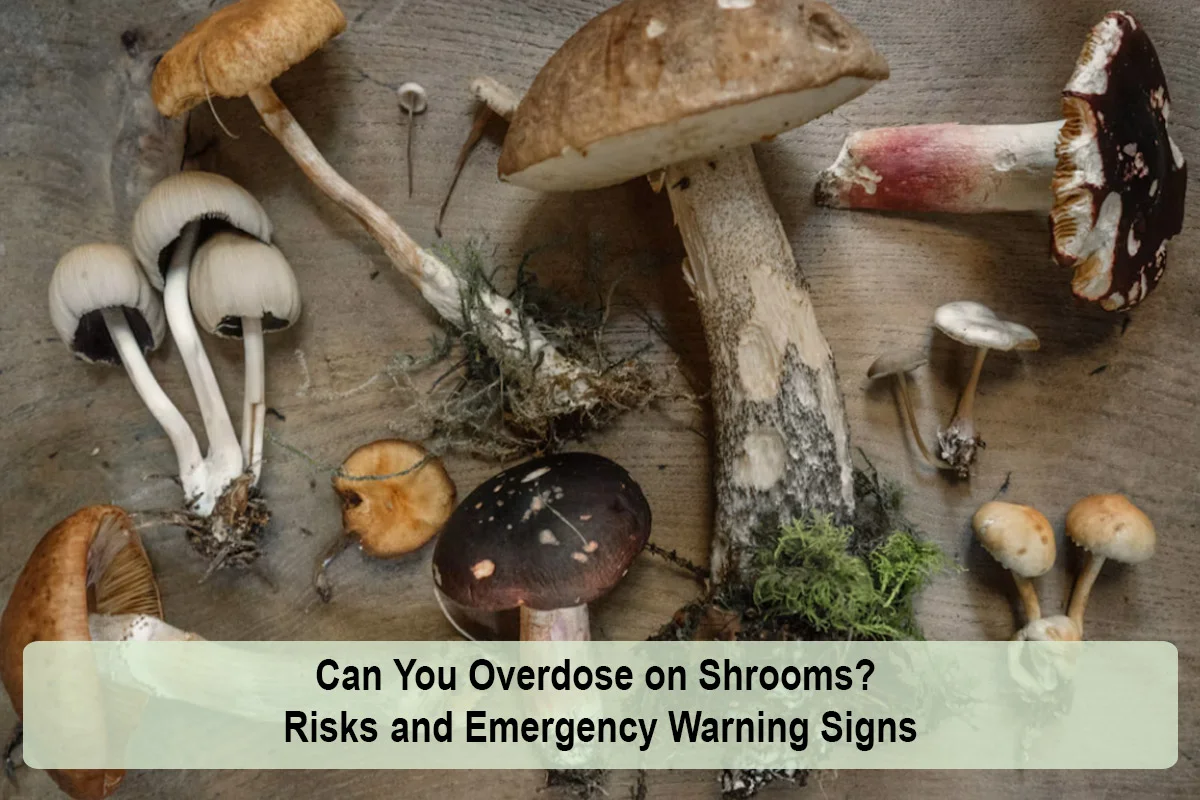
Can you overdose on shrooms? A fatal toxic overdose from psilocybin alone is rare. The National Institute on Drug Abuse states that psilocybin has a low level of toxicity, meaning a low potential to cause fatal events like breathing problems or a heart attack. But "low toxicity" is not the same as "safe." People do end up in emergency rooms after taking mushrooms, because of dangerous behavior, severe panic or psychosis, heart strain, risky drug combinations, contaminated products and, most dangerously, eating a poisonous look-alike mushroom by mistake.
This guide explains what an overdose on shrooms really means, the emergency warning signs in adults and children, which combinations are especially risky, who faces higher risk and what to do in an emergency. It does not provide guidance on using mushrooms.
With many drugs, overdose means a dose large enough to stop breathing or the heart. Psilocybin is different. According to NIDA, psilocybin typically raises blood pressure and heart rate, which may be dangerous for people with heart conditions, and can cause agitation, confusion, vomiting or nausea that may be severe and require medical attention. NIDA also notes that people may do things that put themselves or others at risk, especially when unsupervised, and that exposures reported to poison control centers have increased over the past few years.
So when people talk about a shroom overdose, they usually mean one of these situations:
| What can go wrong | Why it's dangerous | What to do |
|---|---|---|
| Poisonous look-alike mushroom | Some wild mushrooms cause liver and kidney failure and death; symptoms may be delayed | Call Poison Help or 911 immediately, even before symptoms |
| Severe panic, paranoia or psychosis | Risk of injury, self-harm or harming others | Stay with the person, move to a calm space, get medical help if it does not ease or safety is at risk |
| Heart strain | Raised heart rate and blood pressure | Call 911 for chest pain, fainting or very fast heartbeat |
| Seizures | Reported especially with lithium | Call 911 |
| Dangerous behavior | Falls, traffic injuries, drowning, wandering | Never leave the person alone; call for help |
| Contaminated or mislabeled products | Some products sold as psilocybin contained other toxic chemicals | Bring packaging to the hospital; call Poison Help |
The California Poison Control System lists signs of overdose or adverse reaction that include:
Children are especially vulnerable because of their smaller size. The California Poison Control System lists vomiting or diarrhea, abdominal pain, dizziness or drowsiness, confusion or delirium, muscle spasms, trouble breathing, and loss of consciousness or coma. If a child has swallowed any mushroom or mushroom product, assume it is poisonous and seek immediate medical help. Store any mushroom products locked away from children and pets.
NIDA warns of the risk of misidentifying mushrooms and taking a toxic mushroom instead of one containing psilocybin. According to the California Poison Control System, highly toxic wild mushrooms can cause severe gastrointestinal distress, liver and kidney failure and death, and cooking, peeling, drying or soaking them does not remove the toxins. Symptoms from some deadly mushrooms may be delayed, which can create false reassurance. Call Poison Help immediately if a wild mushroom may have been eaten; do not wait for symptoms.
Gummies, chocolates and other products marketed as containing psilocybin may not contain what the label says. NIDA notes that some candies marketed as containing psilocybin were found by the CDC to contain toxic chemicals. If someone becomes ill after eating such a product, bring the packaging to the hospital and call Poison Help.
Researchers at Johns Hopkins analyzed online reports of people combining psychedelics with lithium. As summarized by Psychedelic Health, 47% of 62 reports involving lithium described seizures, and 39% involved medical attention. Reports involving lamotrigine did not describe seizures. These were self-reported accounts, not a controlled study, but the pattern is serious enough that anyone taking lithium should be aware of this risk.
Combining mushrooms with alcohol, cannabis, stimulants or other drugs makes effects less predictable and can increase risk. People taking psychiatric or heart medications should talk to a doctor or pharmacist about interactions. Never stop a prescribed medication without medical advice.
| Myth | Fact |
|---|---|
| "Natural means safe." | Some of the deadliest substances are natural, including toxic wild mushrooms. |
| "You can't overdose on shrooms, so nothing can go wrong." | Fatal toxicity is rare, but panic, psychosis, injuries, seizures with lithium and poisoning from look-alikes do send people to the ER. |
| "Cooking or drying removes mushroom toxins." | According to the California Poison Control System, cooking, peeling, drying or soaking does not eliminate toxins in poisonous mushrooms. |
| "Gummies and chocolates labeled psilocybin are safer." | Some marketed products have contained other toxic chemicals, according to the CDC. |
| "A bad trip just needs to be waited out." | Most pass, but call 911 for seizures, chest pain, breathing trouble, unresponsiveness or threats of harm. |
If someone is anxious or frightened but has no emergency warning signs, staying calm and present helps. Speak slowly, remind them where they are and that the feelings are temporary, reduce noise and bright lights, offer water and keep them away from hazards. Do not argue with frightening thoughts or try to force them to snap out of it. If fear escalates, confusion deepens or safety is at risk, call 911.
Many states have Good Samaritan laws that offer some legal protection to people who call for help during a drug-related emergency. Getting help quickly matters more than legal worries.
Some people have lingering anxiety, fear or perceptual changes after a frightening experience. Talk to a doctor or mental health professional if symptoms continue. For harm-reduction information, organizations such as DanceSafe, TripSit and PsychonautWiki offer education about risks and safety.
Teens may see mushrooms described online as natural, harmless or even therapeutic. Talk openly and without panic: ask what they have heard, share the real risks, including look-alike poisoning, contaminated edibles and bad reactions, and make sure they know they can call you or 911 in an emergency without fear of punishment. Teens who know an adult will help them are more likely to call for help in time.
Psilocybin is being studied in supervised clinical settings, where participants are screened, monitored and supported. NIDA notes that poor mental health outcomes may be more likely with use outside of clinical settings. Our article on psilocybin-assisted therapy explains how clinical research differs from recreational use.
If you or someone you love is using mushrooms or other hallucinogens repeatedly to cope, mixing them with other substances, or struggling with anxiety or psychosis afterward, help is available. Compare psychedelic and hallucinogen treatment, co-occurring mental health treatment and detox and stabilization options, search FindTreatment.gov or call the SAMHSA National Helpline at 1-800-662-4357. If someone is thinking about suicide, call or text 988.
A fatal overdose from psilocybin alone is rare, but shrooms can still lead to emergencies: poisonous look-alike mushrooms, contaminated products, severe panic or psychosis, heart strain, seizures with lithium and dangerous behavior. Know the warning signs, never leave someone alone, call 911 or Poison Help at 1-800-222-1222 when in doubt and keep mushroom products away from children and pets. When it comes to an emergency, calling too early is always better than calling too late.
This article was reviewed by the RehabsNearMe Editorial Team for accuracy, clarity, and relevance. Information may be sourced from publicly available treatment resources, government agencies, and healthcare references where applicable.
Last reviewed: November 2026
Resources
 Resources
 Resources
 Resources